China’s cotton industry has stepped up its pushback against Washington after the US added 43 Chinese companies to its Entity List over alleged forced-labor concerns, framing the move as a groundless sanction that is distorting a global supply chain already under strain.
China Cotton Association opposes US Entity List on 43 firms
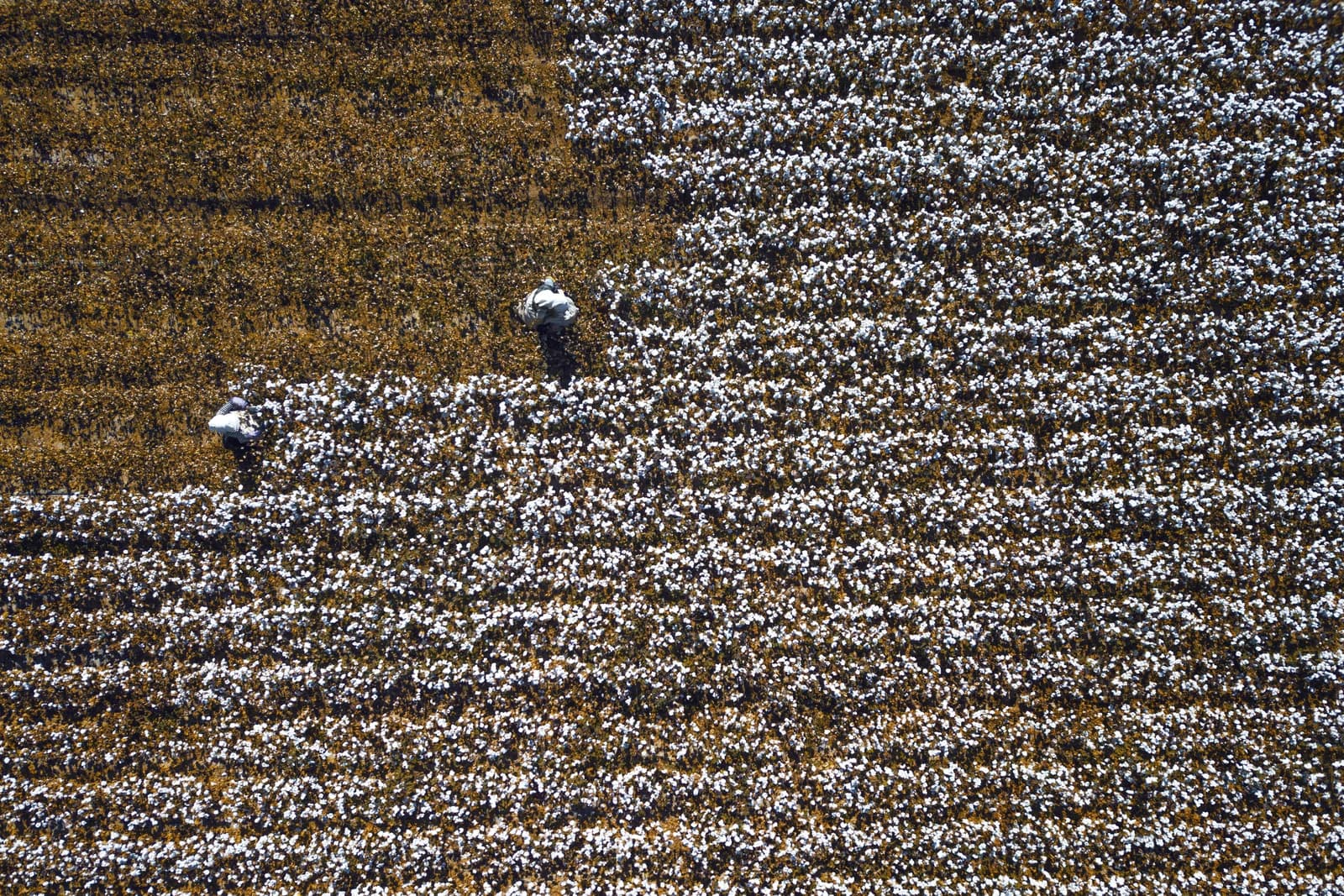
The China Cotton Association said the restrictions have undermined the cotton industry chain worldwide, elevating a trade and compliance fight into a broader economic issue for apparel, consumer goods and raw-material flows between the world’s two biggest economies. For investors, the stakes go beyond rhetoric: tighter sourcing rules can raise procurement costs, slow shipments and force multinational brands to recast supplier networks across China and Southeast Asia.
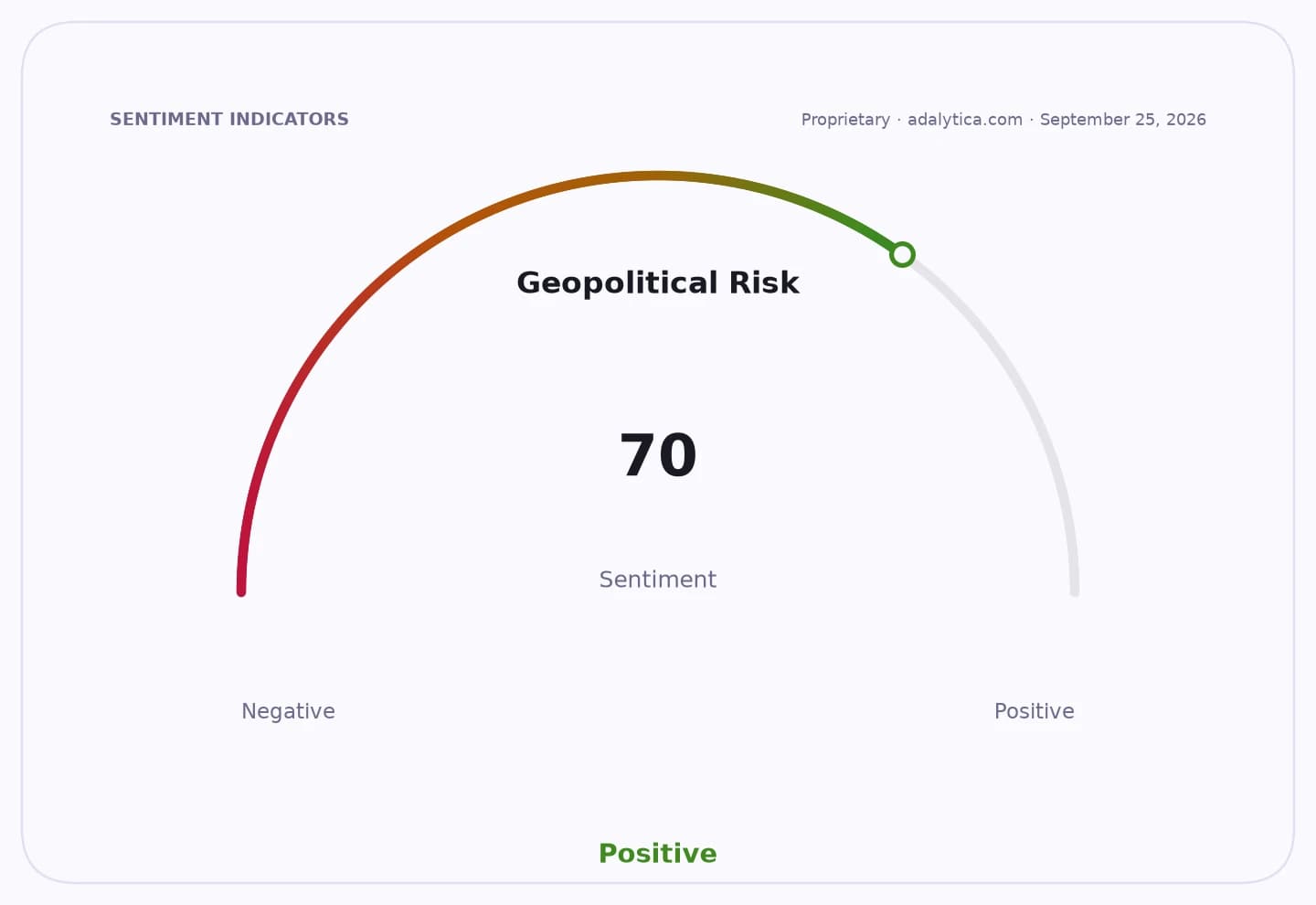
Sentiment IndicatorsⓘProprietary · adalytica.com · August 2, 2026
This is a snapshot — live sentiment, awareness and momentum for 130+ markets update continuously in the dashboard.Open AlphaPulse
The dispute lands in an industry that is already sensitive to tariffs, labor scrutiny and shifting geopolitical risk. China remains central to the textile and apparel ecosystem, and any widening sanctions regime can ripple through cotton growers, mills, logistics providers and global retailers that depend on the region for finished goods and inputs.
That is why strong quarterly China sales at companies such as Apple, adidas, L’Oréal and Coca-Cola matter to markets: they show international brands still have pricing power and consumer demand in China even as policy risk rises. But they also underscore the tension facing investors — revenue exposure to China remains attractive, while regulatory and reputational risk around supply chains is becoming harder to ignore.
The latest clash also comes as broader market sentiment remains elevated, with Adalytica’s S&P 500 trade signals showing “Extreme Greed,” suggesting investors are still willing to look through geopolitical noise for now. The next test will be whether Washington widens enforcement or Beijing responds with its own trade or industrial measures, which could further pressure margins and sourcing strategies across the consumer and apparel sectors.
| Entity | Gains | Losses |
|---|---|---|
| US regulators | ▲Labor-enforcement leverage | ▼Trade friction and retaliation risk |
| China Cotton Association | ▲Political backing for exporters | ▼Reduced access to US-linked supply chains |
| Global brands | ▲Continued China demand | ▼Higher sourcing and compliance costs |
| Chinese cotton and apparel suppliers | ▲Domestic support narrative | ▼Entity List restrictions and sales disruption |