China is leaning harder on subsidies, social messaging and party-backed matchmaking to lift births and steady a shrinking workforce, a campaign that matters because the country’s demographic decline is now a direct drag on growth, property demand and long-term corporate earnings.
China Demographic Drag Pressures Growth and Equities

The push spans everything from local “love blankets” for newlyweds to Communist Party-affiliated dating services, underscoring how Beijing is trying to nudge household behavior rather than rely on blunt fiscal stimulus. That is a sign the leadership sees low fertility as a structural threat, not a temporary social trend.
Sentiment IndicatorsⓘProprietary · adalytica.com · July 23, 2026
This is a snapshot — live sentiment, awareness and momentum for 130+ markets update continuously in the dashboard.Open AlphaPulse
For investors, the stakes are broader than family policy. A smaller and older population means weaker consumption, slower labor-force expansion and more pressure on pensions and local government finances — all of which can cap China’s potential growth rate and weigh on valuations across consumer, housing, healthcare and industrial names.
The market backdrop shows how closely China exposure is tied to these macro anxieties. The iShares China Large-Cap ETF, FXI, closed at $34.62 on July 23, down from a recent $40.87 peak in mid-September of the prior cycle, while its 200-day moving average sits above the current price, a sign the fund remains under longer-term technical pressure even as short-term momentum stabilizes.
CCP Policy Direction vs FXIadalytica.com
Explore this data interactively — full history, time series and cross-market comparisons.Open AlphaPulse
By contrast, the Direxion Daily FTSE China Bear 3X Shares ETF, YANG, has swung sharply higher in episodes of China weakness, but its latest move still leaves it below its 200-day moving average and with a weakening RSI reading, suggesting traders are still betting on volatility rather than a clean, one-way China break.
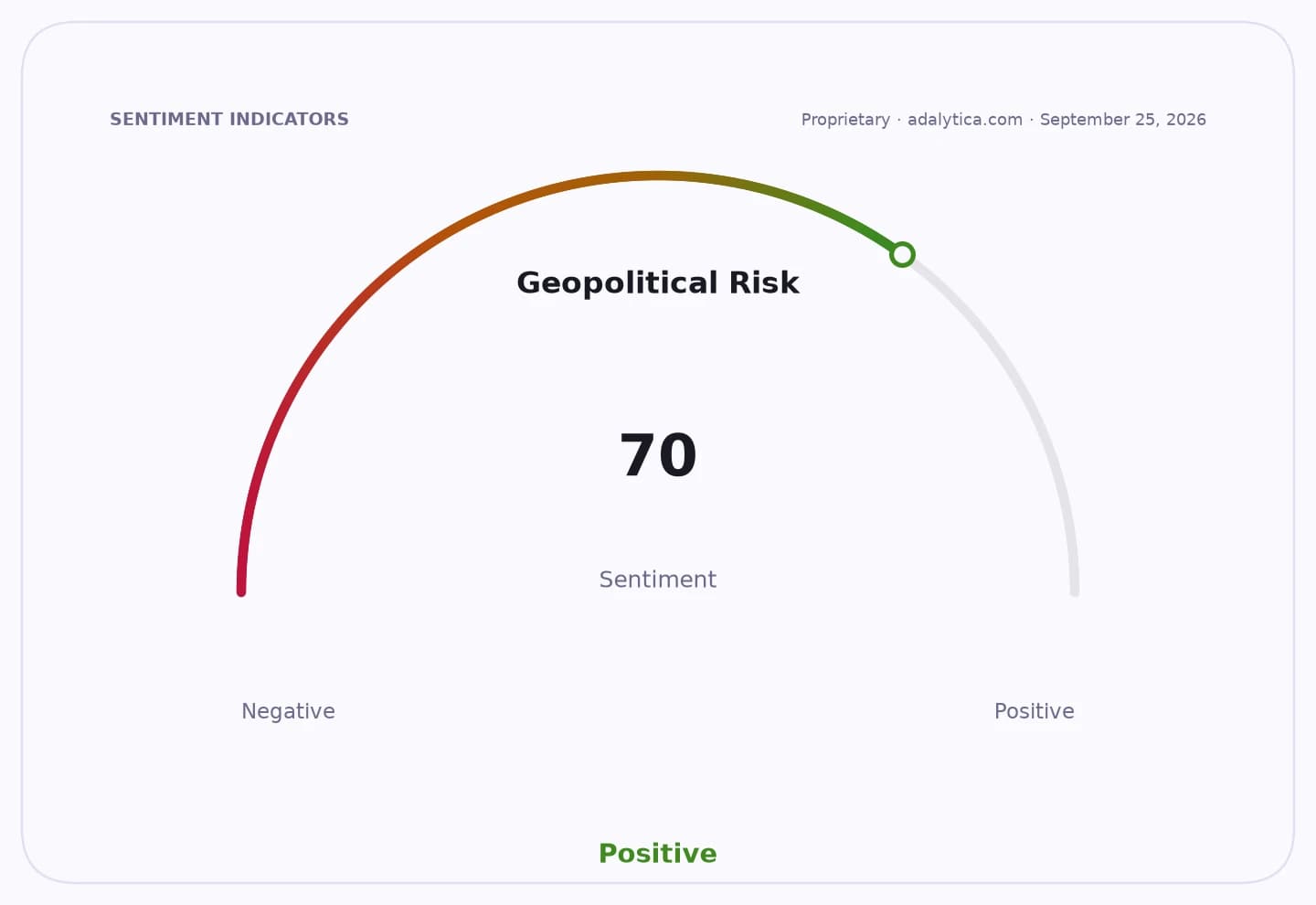
Adalytica’s China CCP policy-direction gauge is neutral at 54, but its awareness reading shows extreme fear, while the U.S.-China relations gauge sits at extreme fear as well. That combination points to a market that is watching Beijing’s policy response closely but remains skeptical that incremental family-friendly measures can offset years of demographic erosion.
The economic logic is straightforward: if China cannot lift births materially, it will have to grow with less labor, less housing formation and more dependency spending. That makes every fertility incentive, however small, part of the bigger investment question around China’s earnings power, bond yields and policy support.
For now, the key catalyst is whether Beijing expands child-rearing subsidies, childcare support and housing relief into a more expensive national program. If it does not, the demographic drag will keep building — and investors will continue to price China as a market with policy support but thinner long-run growth.
| Entity | Gains | Losses |
|---|---|---|
| Young families | ▲Subsidies, childcare support | ▼Limited relief from high living costs |
| Beijing policymakers | ▲Short-term demographic optics | ▼Fiscal burden, limited fertility impact |
| China consumers | ▲Possible benefits from pro-family spending | ▼Slower income growth, higher dependency costs |
| FXI longs | ▲Policy stimulus hopes | ▼Weak long-term growth, valuation pressure |