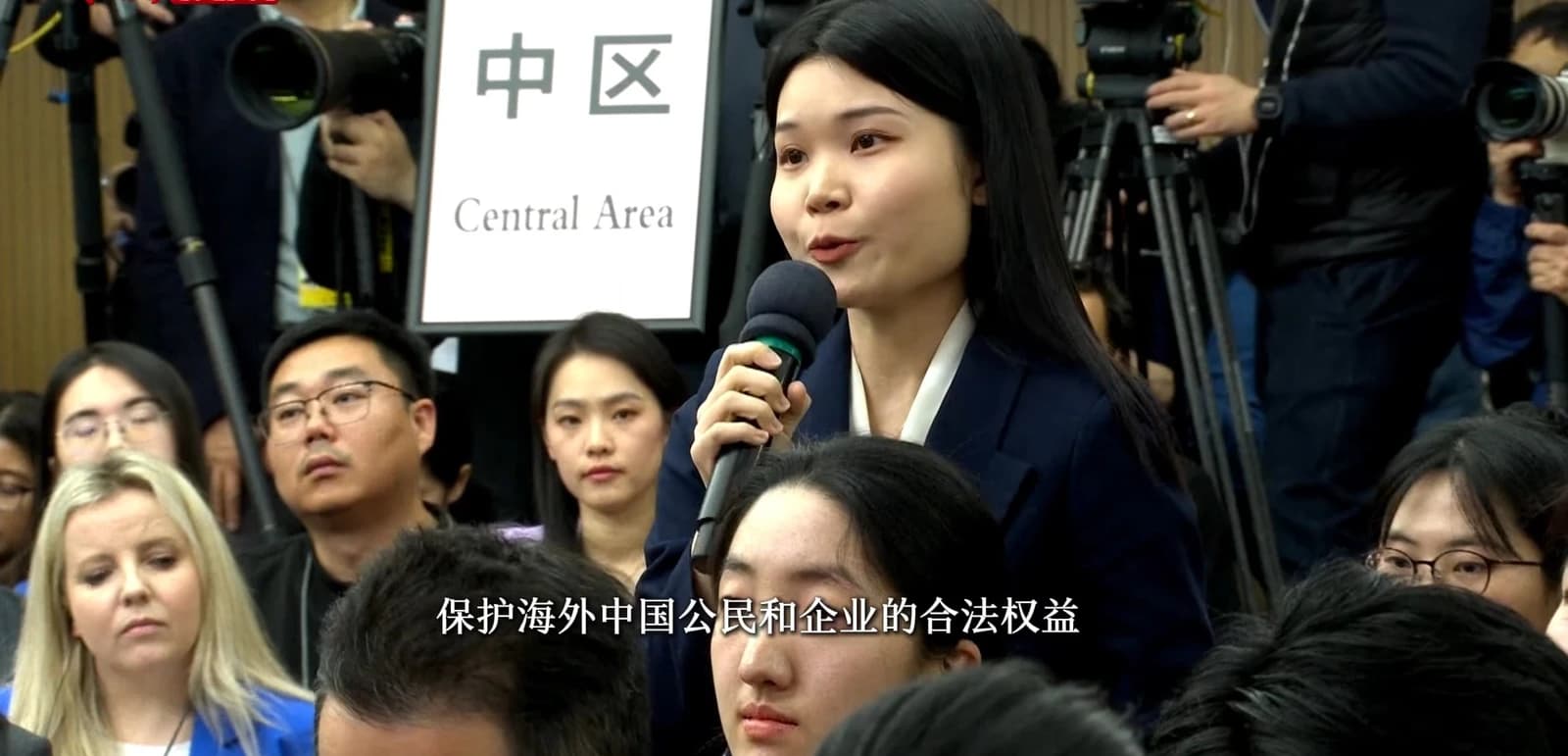
China’s warning to Europe over the South China Sea dispute adds fresh diplomatic risk to an already fragile regional backdrop as ASEAN leaders meet under the shadow of intensifying rivalry between Beijing, Washington and its allies. The immediate issue is not just territorial claims in contested waters, but the possibility that the dispute hardens into a wider trade-and-security fault line that could complicate investment, shipping and supply chains across Asia.
China-Europe Tensions Rise Over South China Sea

Beijing said continued European support for the 2016 arbitration ruling could damage China-Europe ties, after the EU, the US, the UK and other countries reiterated opposition to China’s expansive claims and criticized destabilizing actions in the sea. That keeps the legal and diplomatic fight alive around a ruling China has rejected for nearly a decade, and raises the stakes for ASEAN members trying to keep a neutral path while pushing for a binding code of conduct.
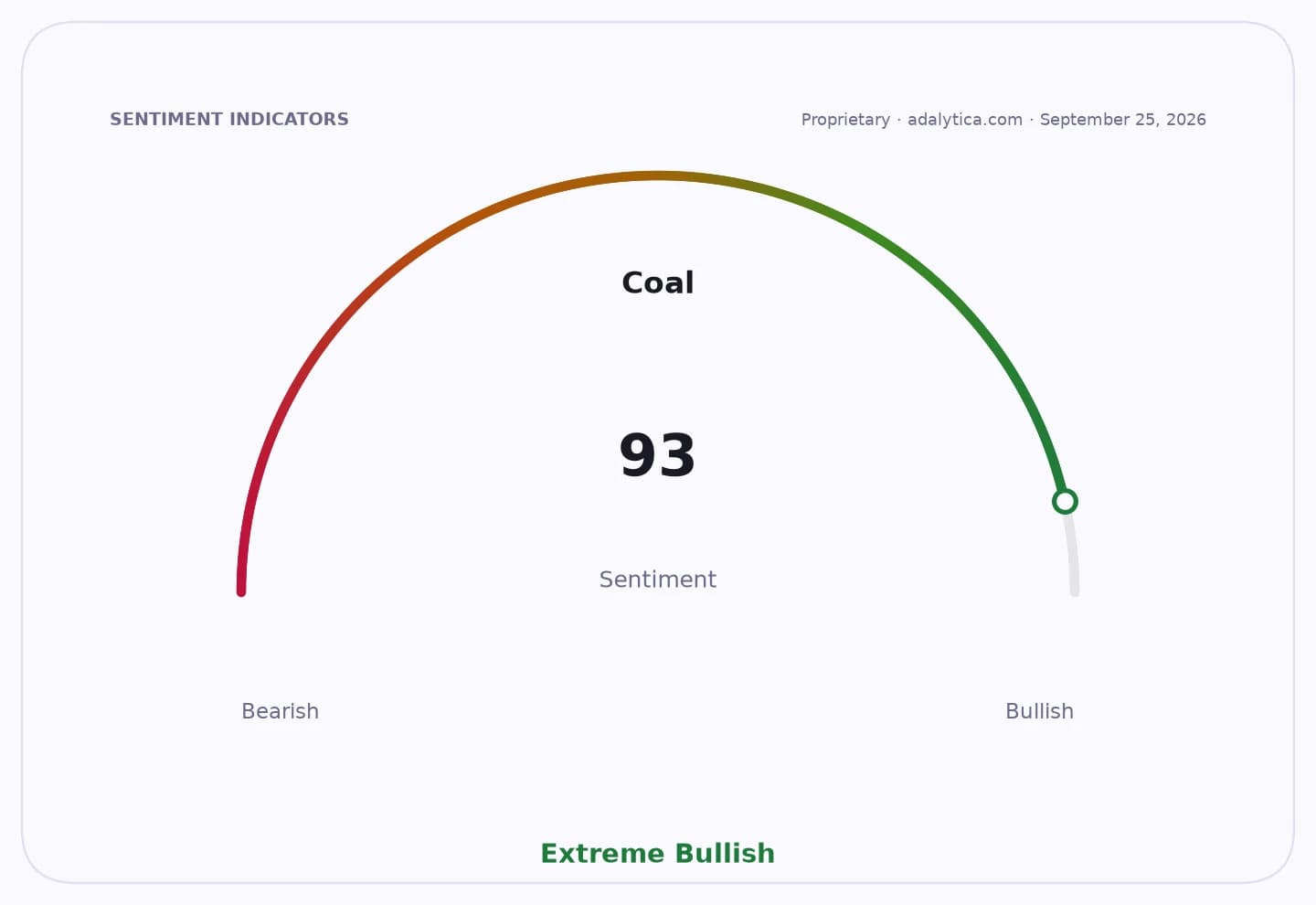
Sentiment IndicatorsⓘProprietary · adalytica.com · July 21, 2026
This is a snapshot — live sentiment, awareness and momentum for 130+ markets update continuously in the dashboard.Open AlphaPulse

For investors, the significance is broader than diplomacy. The South China Sea carries a major share of global trade, and any escalation can ripple through insurers, shippers, energy companies and manufacturers exposed to Asia-facing supply chains. It also underscores how geopolitical shocks are increasingly feeding into market pricing, with Adalytica’s Global Stability Sentiment at 7, or “Extreme Fear,” while US-China relations sentiment sits at 43, still “Neutral” but down 7 points on the day.
The dispute is also a live test of whether regional states can contain great-power competition without forcing a binary choice. ASEAN has long sought to preserve economic ties with China while avoiding military alignment, but the latest exchange shows how hard that balance is becoming as Western governments step up support for international maritime law and China presses for negotiations on its own terms.

The economic message is clear: a prolonged standoff raises the risk premium on Asian assets tied to trade flows, energy logistics and defense spending, while any progress on a South China Sea code of conduct could ease investor concern. The next catalyst is likely to come from ASEAN readouts, any follow-up Chinese diplomatic response and whether the bloc can move the talks beyond statements and toward enforceable rules.
| Entity | Gains | Losses |
|---|---|---|
| China | ▲Leverage in negotiations | ▼Tighter ties with Europe |
| ASEAN states | ▲Room to mediate | ▼Security and trade uncertainty |
| EU/US allies | ▲Rule-based maritime stance | ▼Higher friction with Beijing |
| Shippers/insurers | ▲Clearer rules if tensions ease | ▼Higher risk premia if tensions rise |