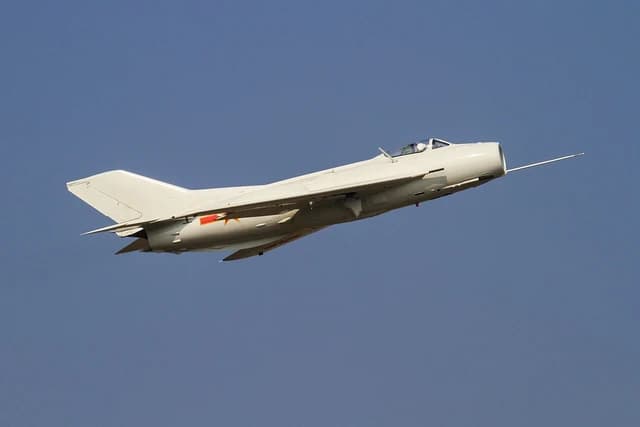
China’s willingness to sell fighter jets to “friendly countries” is another sign that Beijing wants to turn its defense industry into a bigger geopolitical tool — and that matters for investors because it points to a more fragmented, militarized world where aerospace and defense spending stays elevated for years.
China fighter jet exports and defense stocks
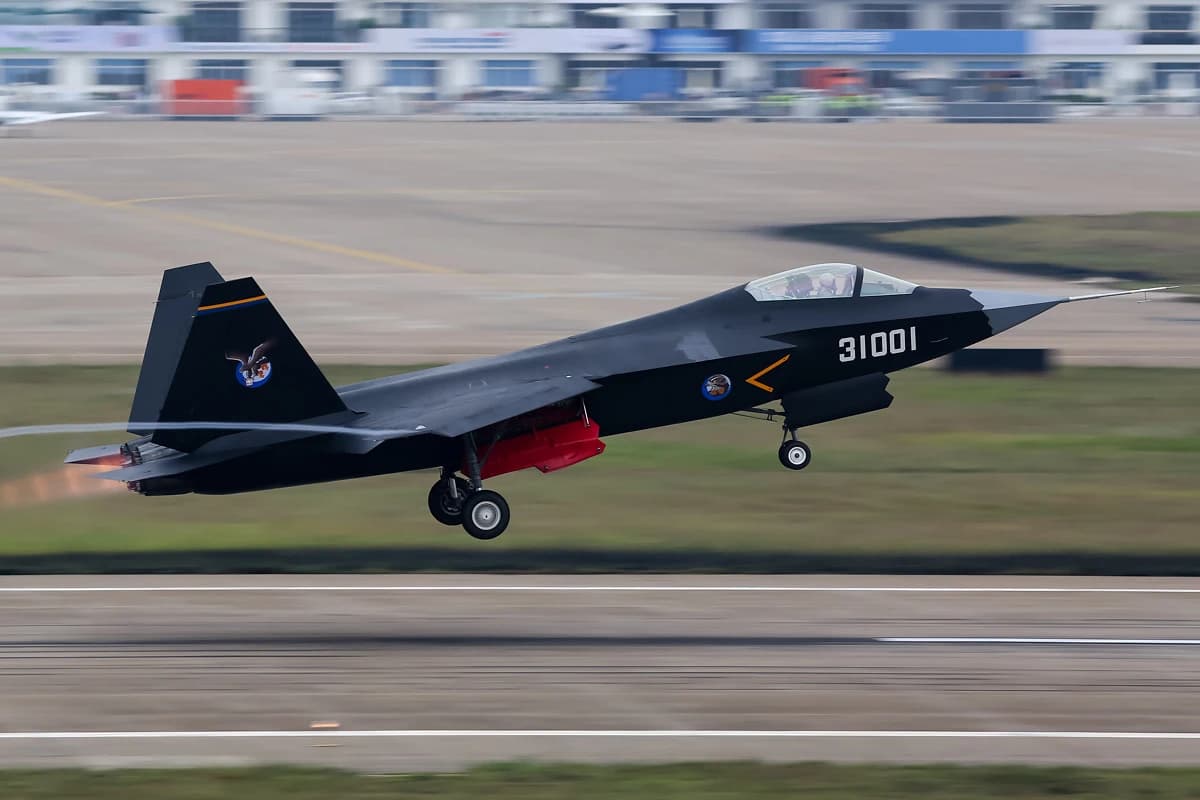
The immediate economic significance is less about one export deal and more about what it says on the supply side: China is trying to compete more aggressively for international weapons customers, especially in markets that may face restrictions from the U.S. and its allies. If that effort gains traction, it could widen the global market for military aircraft, shift bargaining power in parts of Asia, the Middle East and Africa, and intensify a long-running rivalry over defense technology, sanctions and export controls.
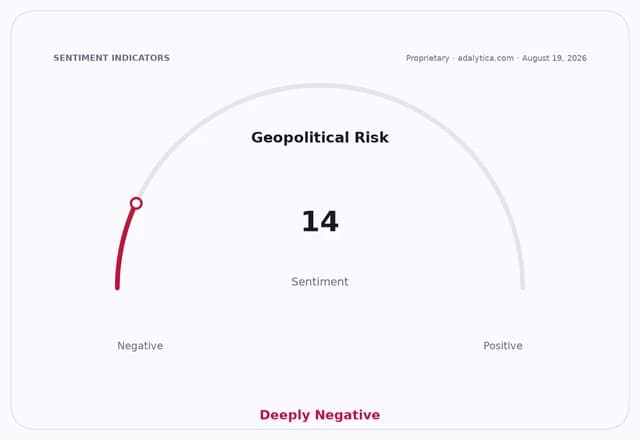
Sentiment IndicatorsⓘProprietary · adalytica.com · August 19, 2026
This is a snapshot — live sentiment, awareness and momentum for 130+ markets update continuously in the dashboard.Open AlphaPulse
For investors, the bigger story is not who wins a single order. It is that the global rearmament cycle still has room to run. Geopolitical risk, measured by Adalytica’s Global Stability Sentiment gauge, is sitting in extreme fear territory, underscoring how elevated the backdrop remains. That kind of environment tends to support sustained demand for aircraft, missiles, sensors and integrated defense systems, while also favoring companies with trusted Western supply chains and deep government relationships.
The market has already been rewarding that reality. Lockheed Martin, Northrop Grumman and RTX have all seen strong share-price moves even as broader sentiment around China-U.S. relations remains unsettled. RTX closed at $220.35 on Aug. 19, while Lockheed Martin ended the day at $589.15 and Northrop Grumman at $582.84. Those levels reflect investors’ willingness to pay up for defense exposure when the world looks less stable, even if the stocks can swing sharply in the short term.
That is why China’s pitch for fighter-jet exports matters beyond the headlines. It reinforces the idea that defense is no longer just a budget line item; it is a secular investment theme tied to supply-chain resilience, industrial capacity and national security competition. Countries that feel exposed will keep spending, and the primes that can deliver proven systems stand to benefit.
There are risks, of course. Chinese military exports could pressure pricing in some emerging markets, and Washington may respond with tighter controls, stronger diplomacy or new sanctions. But for long-term investors, the broader takeaway is straightforward: a more contested global order usually supports a larger defense budget pie. That makes diversified exposure to major contractors worth watching, and for patient investors, it remains a sector to hold for the long term.
| Entity | Gains | Losses |
|---|---|---|
| Chinese defense exporters | ▲New overseas sales | ▼U.S. export competition |
| Western contractors | ▲Higher defense demand | ▼Pricing pressure in some markets |
| Importing nations | ▲More supplier choices | ▼Greater geopolitical dependence |
| Investors in defense stocks | ▲Sustained spending cycle | ▼Short-term headline volatility |