China’s effort to reduce coal use is colliding with a grid that still cannot reliably absorb the country’s fast-growing wind and solar output, raising the risk of local power bottlenecks just as policymakers try to make clean energy do more of the heavy lifting.
China Grid Bottlenecks Could Boost Energy Infrastructure
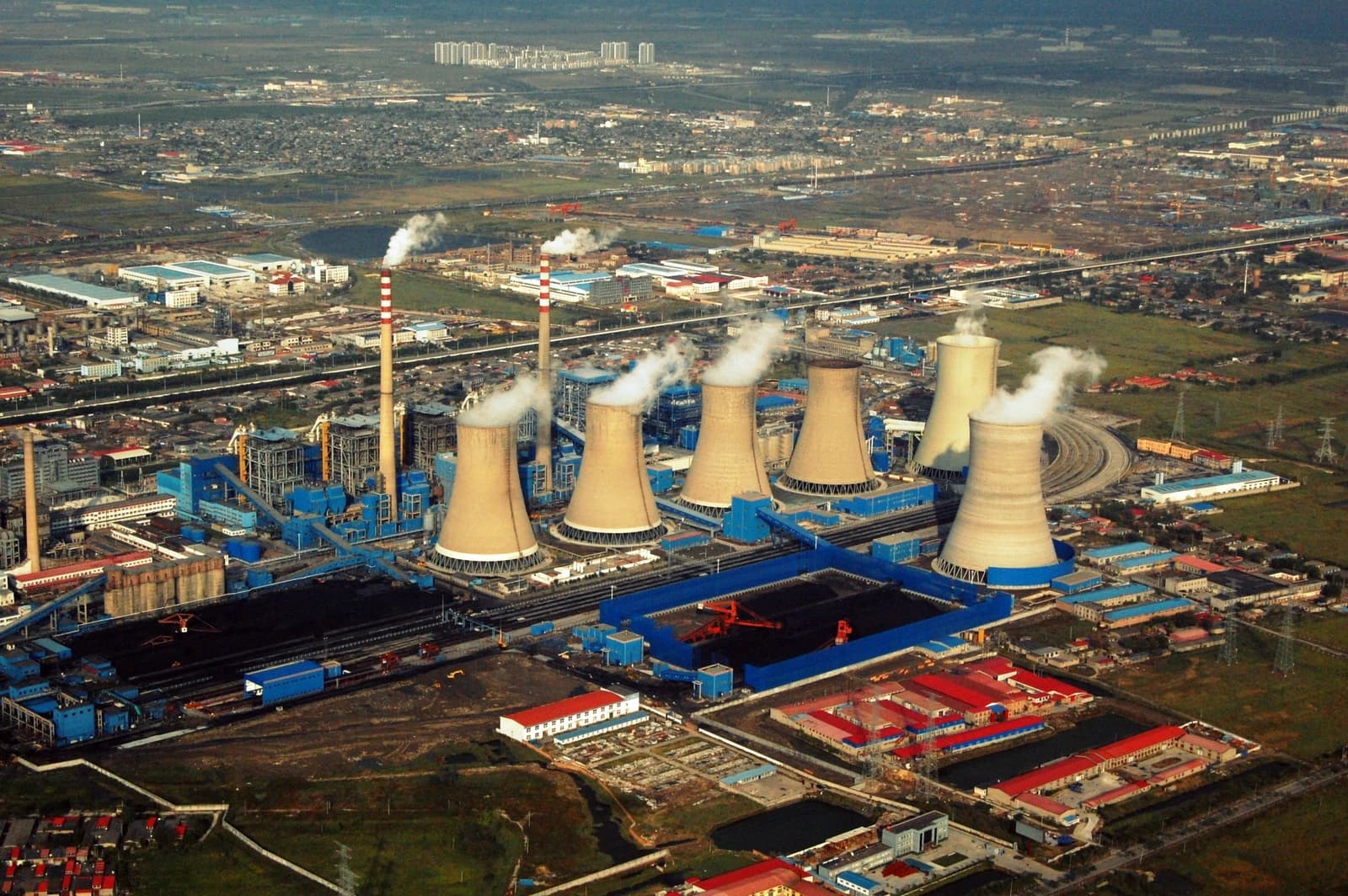
That matters economically because electricity is the backbone of China’s industrial economy, and any mismatch between generation and delivery can slow factories, lift operating costs and force utilities to keep leaning on coal as a balancing fuel. The problem is not a lack of renewable capacity; it is the inability of transmission and dispatch systems to move power efficiently from where it is produced to where it is needed.
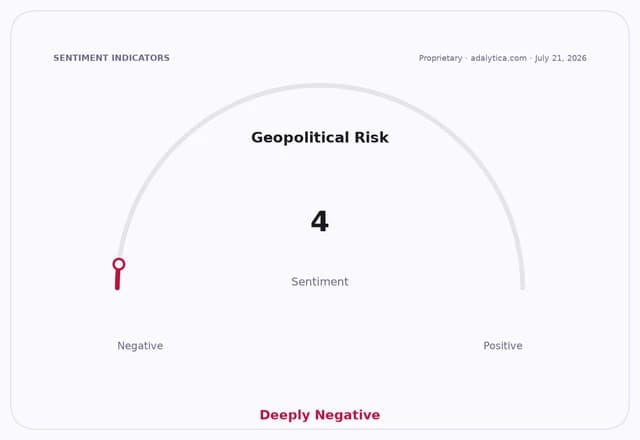
Sentiment IndicatorsⓘProprietary · adalytica.com · July 21, 2026
This is a snapshot — live sentiment, awareness and momentum for 130+ markets update continuously in the dashboard.Open AlphaPulse
The latest market signals point to investors already pricing in that tension. The FXI China ETF has been volatile but remains below its 200-day moving average, with the latest reading showing 34.72 against a 37.13 long-term average, suggesting the broader China equity market is still struggling to sustain confidence even as it rebounds from earlier weakness. KWEB, which tracks Chinese internet and growth stocks, is also well under its 200-day average at 27.12 versus 31.89, underscoring how policy and infrastructure constraints continue to weigh on risk appetite for China-linked assets.
The policy response is telling. Beijing is turning to an AI-driven operating model to better coordinate hydro, wind and solar assets, a sign that the next phase of China’s energy transition is no longer about installing turbines and panels alone, but about making the grid intelligent enough to use them. That shift could support capital spending on transmission, storage, software and grid automation, while also favoring companies exposed to electrification and energy infrastructure rather than pure generation.
For investors, the bull case is that China’s power strain accelerates investment in the very bottlenecks that have held back renewables returns: grids, interconnection, balancing systems and digital control tools. The bear case is that if dispatch and transmission upgrades lag, coal remains indispensable as a reliability backstop, limiting the pace at which Beijing can phase it down and keeping the transition uneven across provinces and industries.
The backdrop is one of broader risk aversion. Adalytica’s Global Stability Sentiment is in “Extreme Fear,” while the S&P 500 trade-signal gauge also points to caution, a reminder that investors are already sensitive to any policy or infrastructure shock that could ripple through commodities, supply chains and China-exposed equities. China’s power challenge therefore is not just an energy story; it is a test of whether the world’s largest manufacturing economy can decarbonize without undermining growth.
The key catalyst to watch is whether grid upgrades, storage deployment and AI-based dispatch produce measurable cuts in curtailment and coal reliance. If they do, the market may start to reward China’s clean-energy value chain more broadly. If they do not, the country’s coal phase-down will remain constrained by the very system it is trying to replace.
| Entity | Gains | Losses |
|---|---|---|
| Grid equipment and automation firms | ▲More upgrade spending | ▼Slower policy execution |
| Renewable generators | ▲Better utilization rates | ▼Higher curtailment risk |
| Coal suppliers and coal utilities | ▲Reliability backstop role | ▼Long-term phase-down pressure |
| China equities tied to policy reform | ▲Grid modernization narrative | ▼Persistent infrastructure bottlenecks |




