China’s contacts with Yemen’s Houthis over safe passage in the Red Sea could be the most important near-term development for global shipping since attacks on the corridor drove carriers to reroute around Africa, a move that has inflated voyage times, tightened effective vessel supply and lifted freight rates.
China-Houthi Talks Could Pressure Shipping Stocks
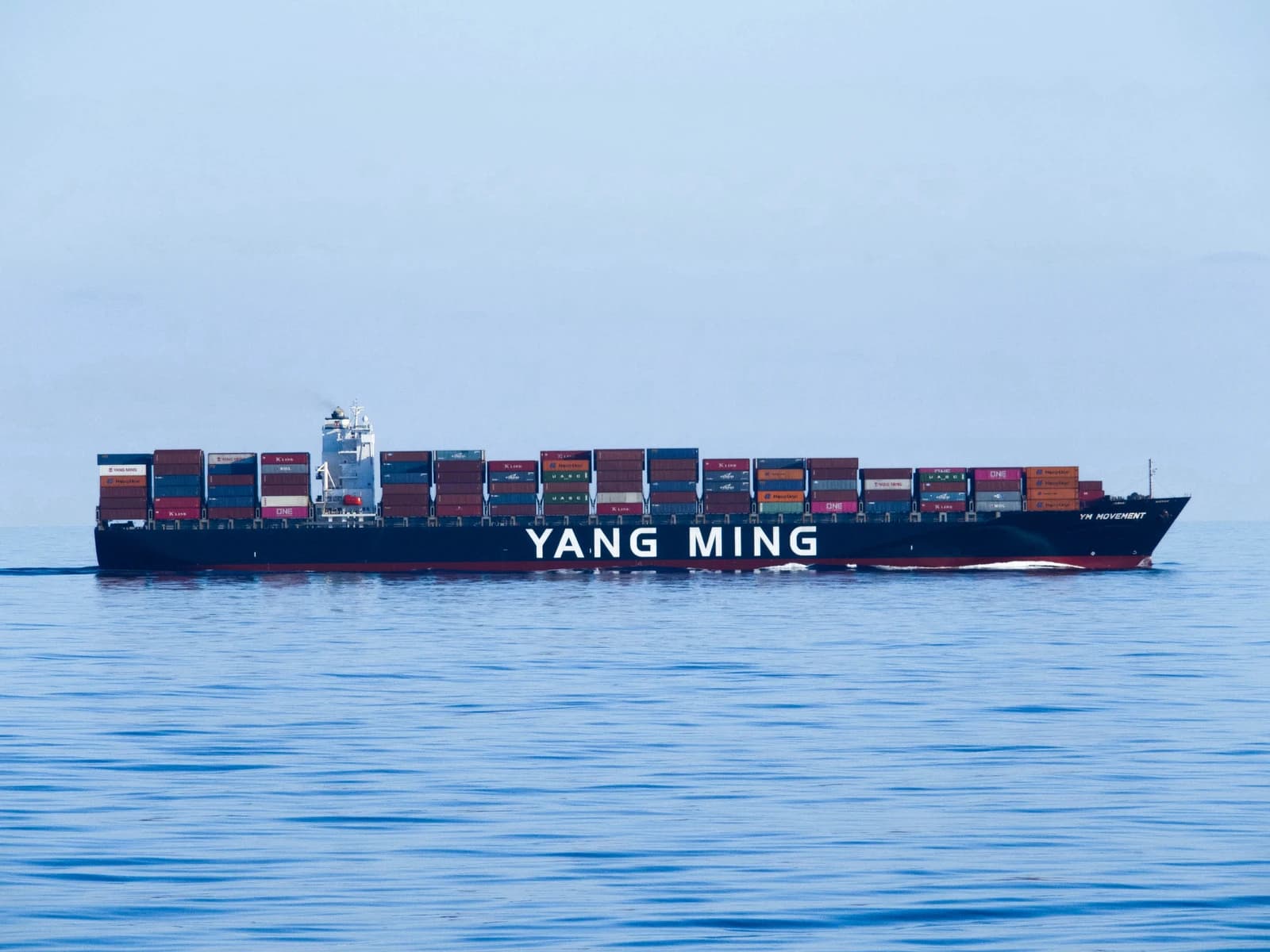
If Beijing can secure a practical understanding with the group, even without a formal ceasefire, it would ease pressure on one of the world’s most economically sensitive chokepoints. The Bab al-Mandeb and wider Red Sea route carry a meaningful share of Asia-Europe trade, so any reduction in risk would lower fuel burn, cut transit times and eventually normalize capacity across container and tanker markets. That would matter not just for seafarers and insurers, but for inflation-sensitive importers in Europe and Asia and for exporters whose logistics have been distorted by the longer Cape of Good Hope detour.
Sentiment IndicatorsⓘProprietary · adalytica.com · July 28, 2026
This is a snapshot — live sentiment, awareness and momentum for 130+ markets update continuously in the dashboard.Open AlphaPulse
Markets have already started to price in the possibility that the disruption will persist long enough to support shipping earnings, even as the geopolitical backdrop remains unstable. Container line ZIM Integrated Shipping Services has climbed from 13.88 on Nov. 4 to 24.03, while Okeanis Eco Tankers rose from 24.70 in October to 47.99 and International Seaways advanced from 53.22 in January to 93.60. Those moves reflect a market that sees Red Sea insecurity as a profit tailwind for carriers, at least until transit patterns normalize. The latest readings on ZIM’s 50-day moving average and RSI suggest the stock has cooled from an overheated rally, but it remains well above longer-term support. OII’s and INSW’s technicals show the same pattern: strong gains, elevated momentum, and signs that investors are beginning to ask how much of the rerouting premium is already in the price.
That is the investor dilemma. A safer Red Sea would ultimately be bearish for freight rates, bunker demand and insurance premia, especially for container and tanker operators that benefited from longer sailing distances and vessel scarcity. But a partial reopening could also reduce the risk of sudden supply shocks that have kept volatility high across energy and goods transport. For shippers and importers, the bull case is lower logistics costs and more predictable schedules. For owners of tonnage, the bear case is a faster unwind in spot pricing if enough carriers resume the route.
Geopolitical Risk — 30-day sentimentadalytica.com
Explore this data interactively — full history, time series and cross-market comparisons.Open AlphaPulse
The broader geopolitical signal is that China is trying to protect trade flows without waiting for a formal regional settlement. The latest Adalytica global stability snapshot still shows only neutral readings, with elevated fear around the issue, while US-China relations sentiment has improved modestly on the day but remains fragile. That suggests investors are treating the Red Sea not as a closed crisis, but as a live negotiation between security risk and commercial necessity.
For now, the key catalyst is whether any China-Houthi understanding becomes visible in vessel movements. If transits through the corridor begin to recover, shipping equities that have rallied on disruption may lose momentum quickly. If they do not, the market is likely to keep rewarding carriers for every week the detour remains in place.
| Entity | Gains | Losses |
|---|---|---|
| Shipping carriers | ▲Higher freight rates | ▼Loss of disruption premium |
| Importers/exporters | ▲Shorter transit times | ▼Higher logistics costs |
| Consumers | ▲Lower inflation pressure | ▼Delayed goods flows |
| Insurers/bunker suppliers | ▲Less accident risk | ▼Fewer war-risk premiums |