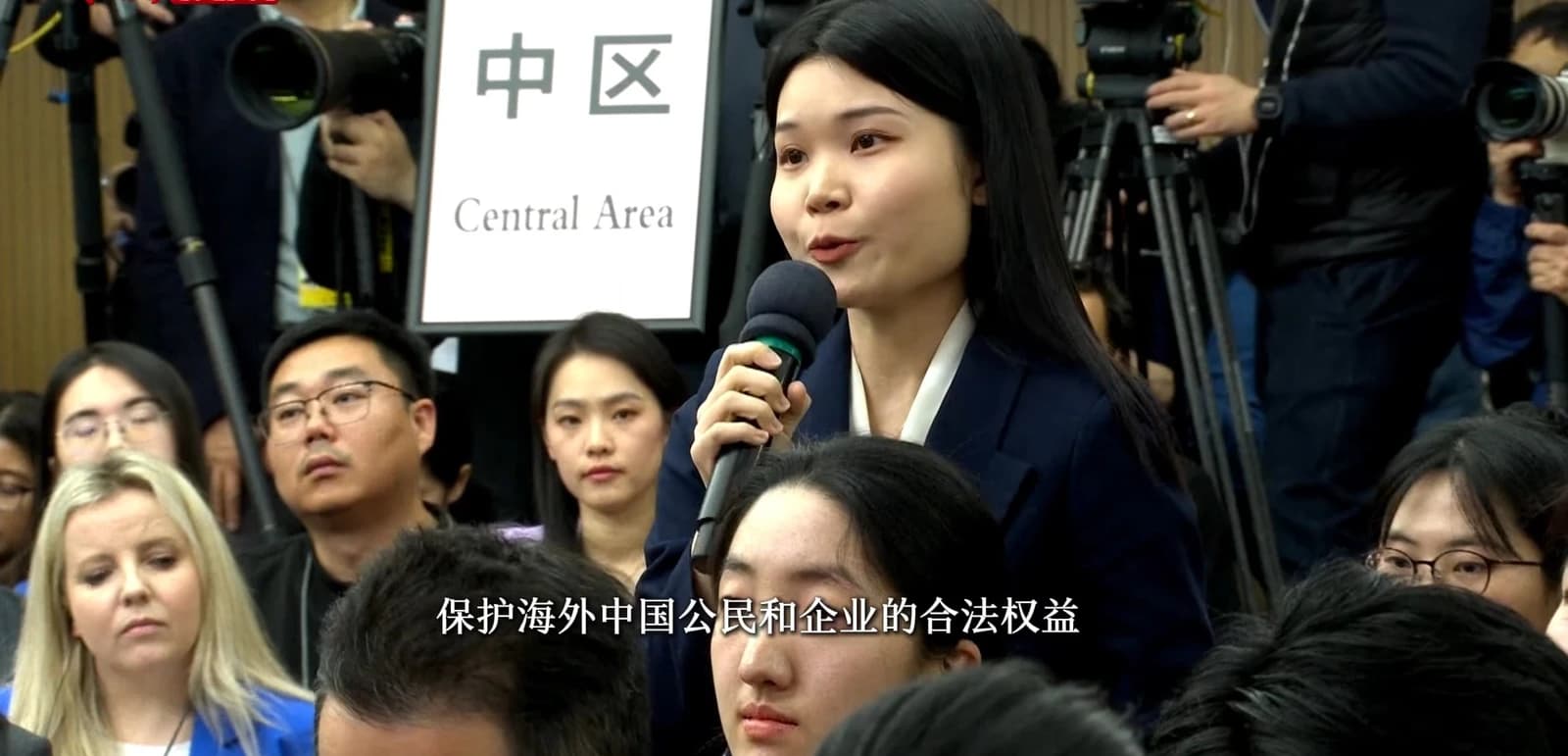
China’s foreign minister says Beijing is ready to handle sensitive issues with India, a useful signal that the world’s two most populous countries want to keep a fragile thaw alive rather than let border tensions define the relationship.
China-India Thaw Lowers Asia Risk Premium
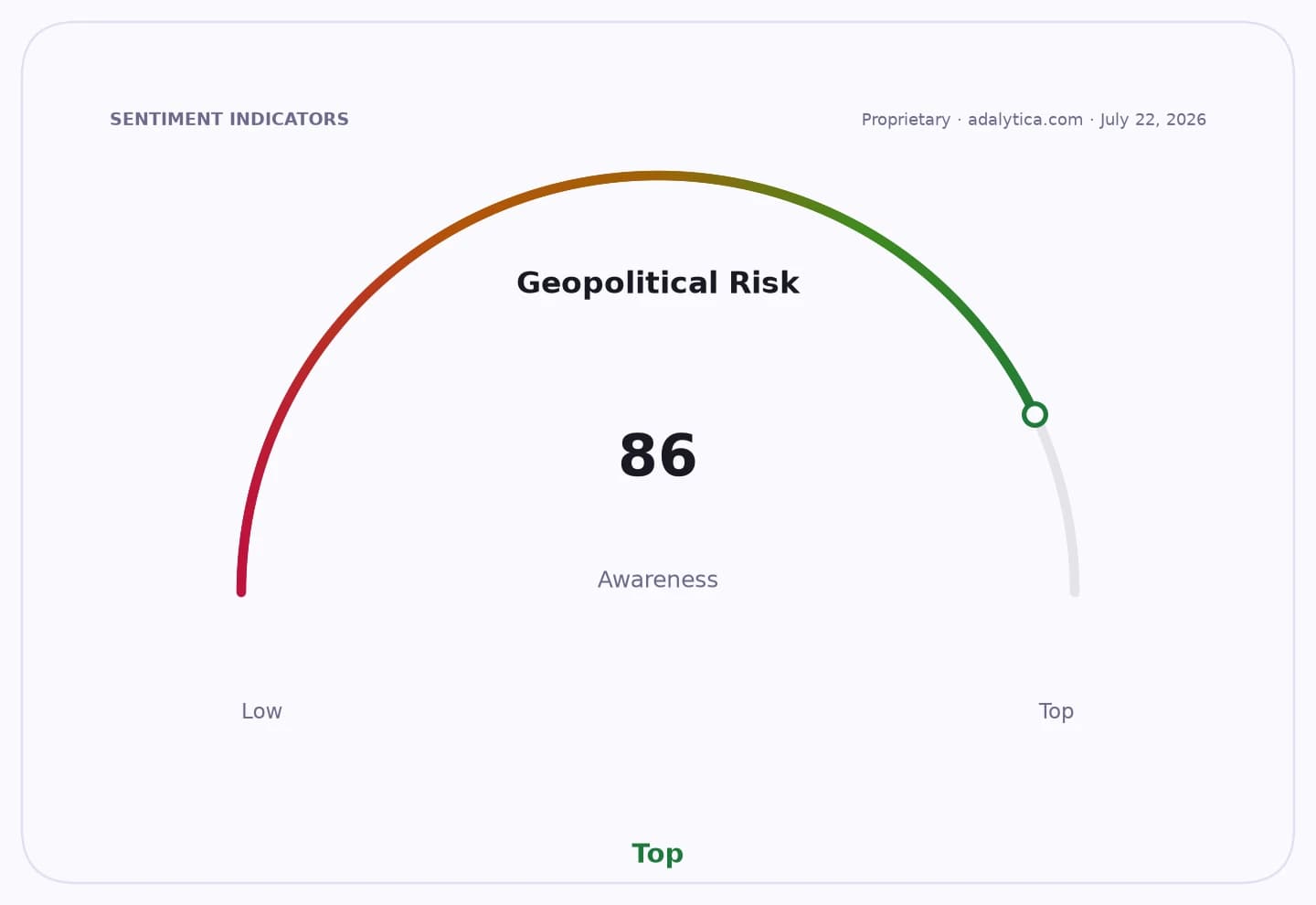
That matters far beyond diplomacy. For investors, a steadier China-India relationship lowers the odds of another shock to Asian supply chains, cross-border trade and regional risk appetite at a time when global markets are already wrestling with fear around geopolitics. When the two countries are talking more openly, the economic payoff is not sudden cooperation so much as fewer surprises.
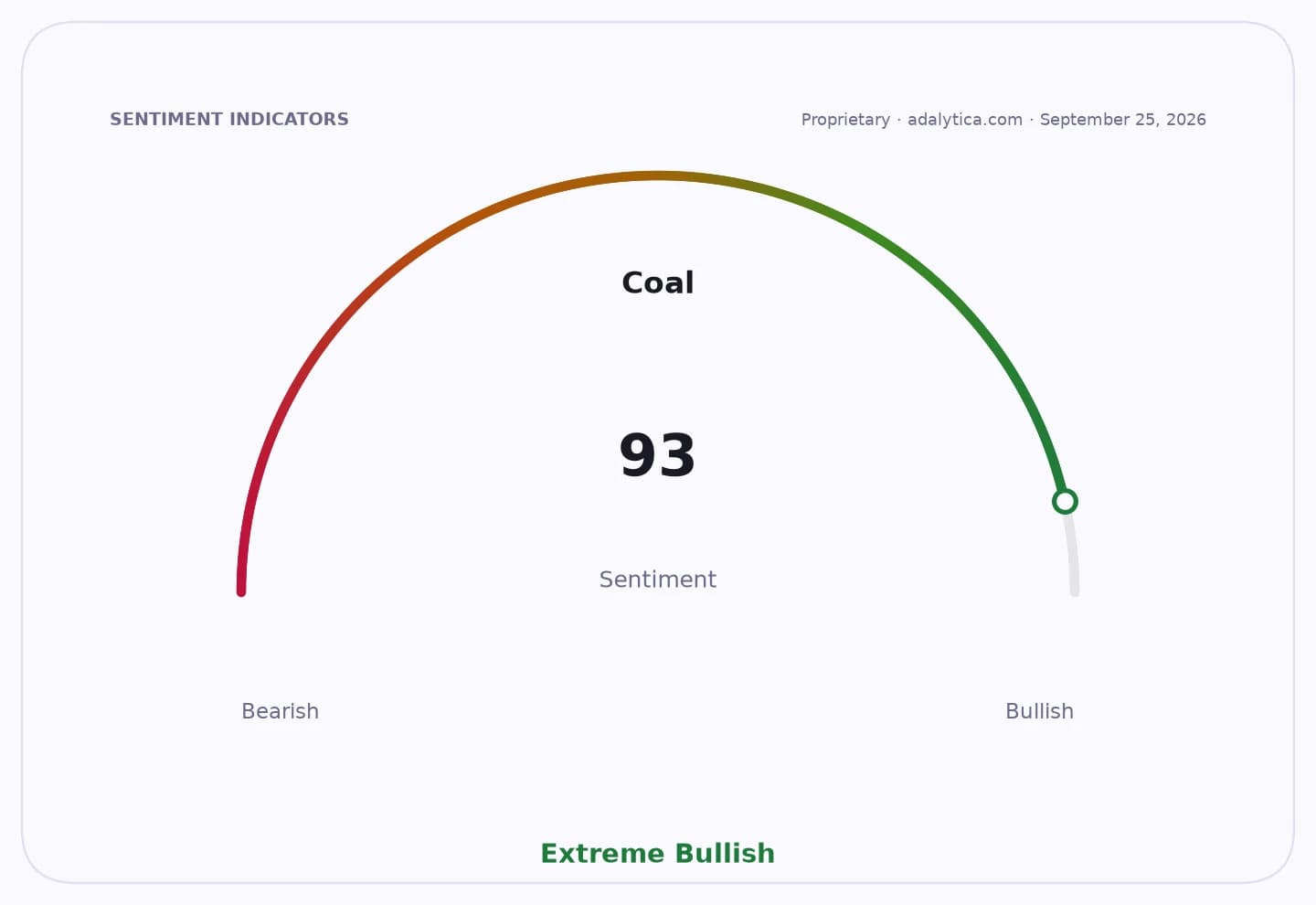
Sentiment IndicatorsⓘProprietary · adalytica.com · July 22, 2026
This is a snapshot — live sentiment, awareness and momentum for 130+ markets update continuously in the dashboard.Open AlphaPulse
The timing is important because both governments have plenty of incentive to keep things calm. India wants a stable northern border so it can focus on growth, infrastructure and attracting manufacturing tied to the global “China-plus-one” shift. China, meanwhile, has reasons of its own to reduce friction with a major neighbor as it faces softer policy sentiment at home and more scrutiny from foreign investors. Adalytica’s China CCP Policy Direction Sentiment gauge shows fear, with awareness at extreme fear, suggesting the market still sees policy uncertainty as elevated even as officials try to project control.
That helps explain why even modest diplomatic language can move markets. China and India do not need a grand bargain to change the investment case. They just need to keep the peace. If border tensions remain contained, companies with exposure to India, China and regional trade can plan with a longer runway, and investors can assign a lower geopolitical discount to the broader Asian growth story.
Geopolitical Risk — 30-day sentimentadalytica.com
Explore this data interactively — full history, time series and cross-market comparisons.Open AlphaPulse
The market backdrop reinforces that point. India-focused exposure through the INDA ETF has been trading near the 50-day moving average, while still below the 200-day moving average, a sign that sentiment has improved from the spring but has not fully broken into a sustained uptrend. Hong Kong and China shares through FXI have also rebounded from earlier weakness and are hovering near their 50-day moving average, though still below the 200-day line. In plain English: investors are open to the idea that Asia can stabilize, but they are not yet pricing in a durable peace dividend.
Global risk sentiment tells a similar story. Adalytica’s Global Stability Sentiment sits in extreme fear even as awareness is extreme greed, a combination that suggests markets are highly alert to geopolitical headlines but still quick to react when tensions ease. U.S. 10-year Treasury yields around 4.6% show that investors are not exactly hiding in panic trades, but they are still demanding a meaningful return for taking risk.
For long-term investors, the bigger lesson is that diplomacy can matter as much as earnings when you are looking at emerging markets. China-India relations affect everything from trade flows and defense spending to foreign direct investment and the psychology of capital allocation across Asia. If both sides continue talking and avoid border escalation, the beneficiary is not just their own economies but the entire regional growth complex.
This is not a story for traders chasing one-day moves. It is the kind of geopolitical shift that can slowly improve the odds for patient investors in India, China-linked supply chains and broader Asia ETFs. The message from Beijing is simple enough: keep the border quiet, keep the channels open, and let economics do more of the work. That is worth watching, and for diversified investors, worth adding to the long-term watchlist.
| Entity | Gains | Losses |
|---|---|---|
| India | ▲Lower border risk | ▼Less leverage from hardline pressure |
| China | ▲Easier regional diplomacy | ▼Fewer nationalist talking points |
| Asia-focused investors | ▲Lower geopolitical discount | ▼Slower reward if ties only inch forward |
| Defence hawks | ▲Less escalation risk | ▼Less justification for tougher posture |