China’s plan to expand green investment and artificial intelligence cooperation in Indonesia is notable less for the headline pledge than for what it says about the next phase of bilateral capital flows: deeper industrial integration in Southeast Asia, with Jakarta positioning itself as a hub for manufacturing, infrastructure and digital expansion.
China-Indonesia Investment Deepens Industrial Ties

The investment relationship, now said to be worth about US$60 billion, matters because it links two of Asia’s most important growth engines at a time when companies are reworking supply chains, governments are chasing cleaner energy and investors are looking for markets that can absorb long-duration capital. For Indonesia, the draw is fresh funding, technology transfer and jobs. For China, the appeal is access to a fast-growing consumer market, resource security and a way to diversify production beyond a more constrained domestic backdrop.
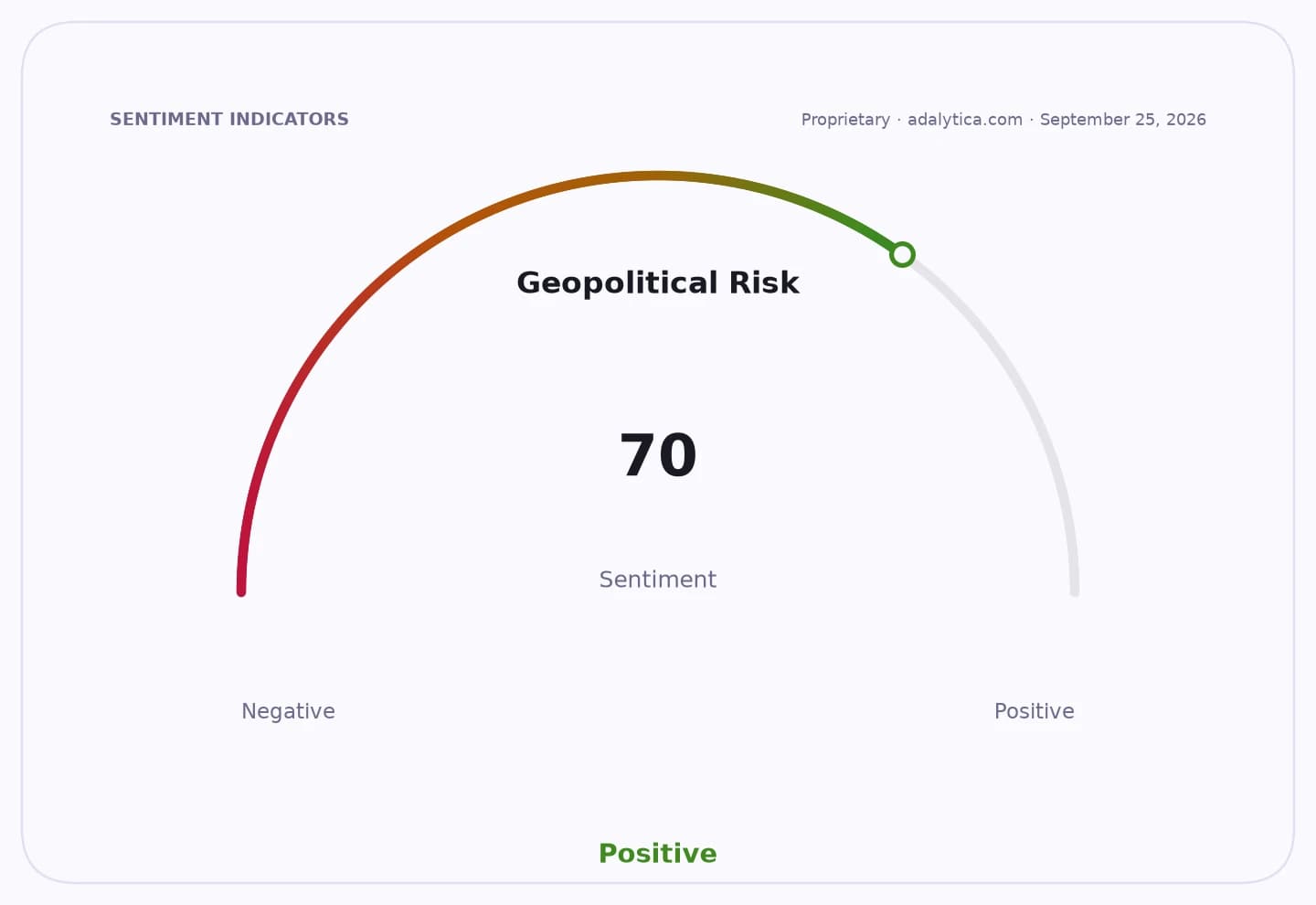
Sentiment IndicatorsⓘProprietary · adalytica.com · July 23, 2026
This is a snapshot — live sentiment, awareness and momentum for 130+ markets update continuously in the dashboard.Open AlphaPulse
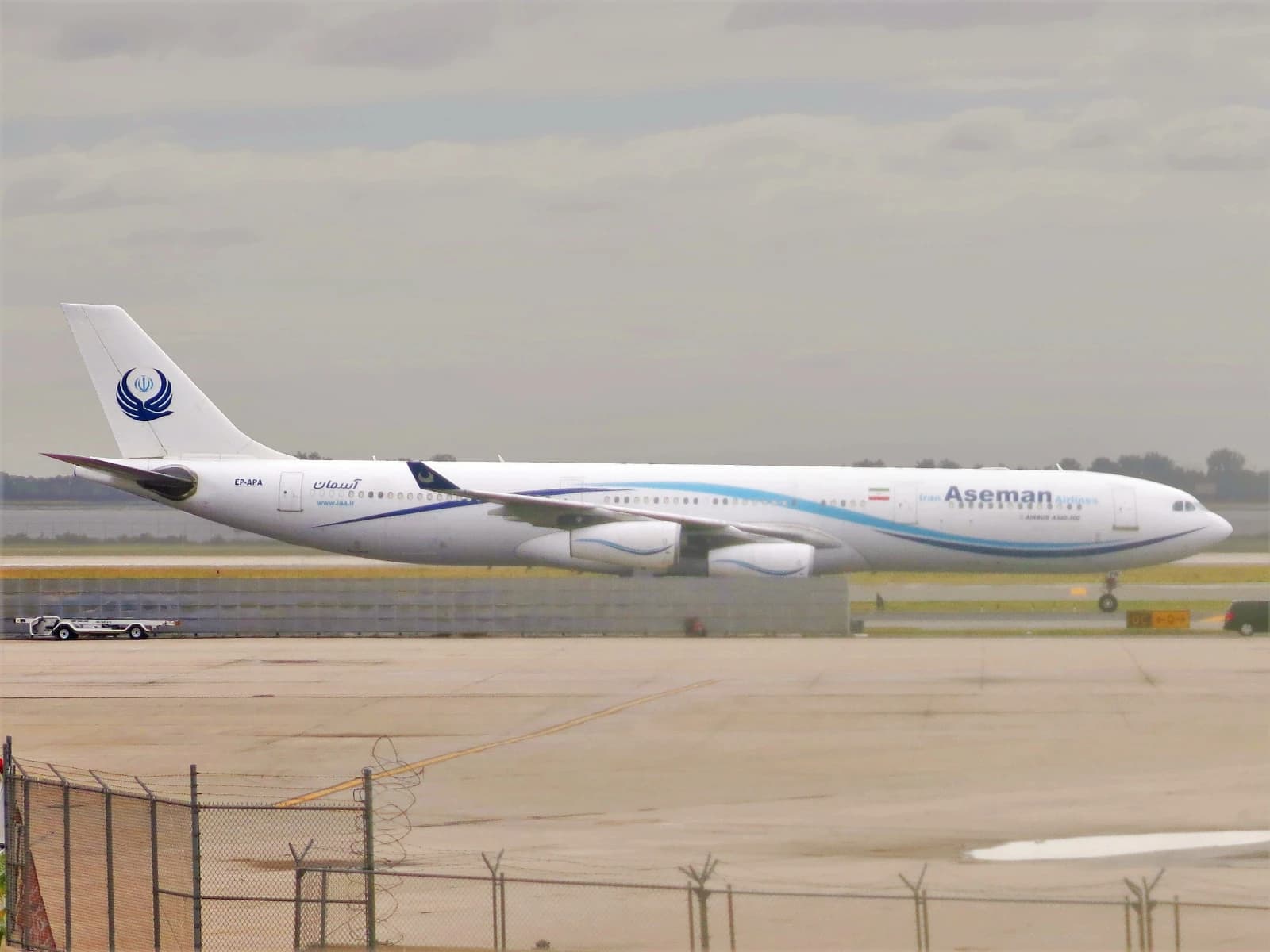
That broader narrative fits with Indonesia’s push to improve connectivity with China and the wider ASEAN region, including efforts to promote regional airports to support travel and commerce. The infrastructure angle is important: airports, logistics and industrial corridors are the physical channels that turn investment pledges into actual trade, tourism and factory output. Without them, even large capital commitments tend to stall in memoranda and political declarations.
For investors, the implications cut several ways. A stronger China-Indonesia economic corridor could support beneficiaries exposed to Southeast Asian infrastructure, industrial equipment, power systems and renewable energy supply chains. Green investment also keeps the focus on solar, grid equipment and related developers, especially as electricity demand rises alongside industrial activity and data-center buildout. AI cooperation, meanwhile, points to a broader digitalization theme that may eventually lift demand for cloud infrastructure, chips, power generation and telecom capacity across the region.
Market signals suggest the theme is gaining attention, though not in a straight line. Chinese assets have been under pressure, with the FXI China ETF still below its 200-day moving average, while Indonesia-linked equities have also been volatile, reflecting skepticism about near-term growth and capital allocation. The U.S. dollar’s recent strength and higher Treasury yields keep financing conditions relatively tight for emerging-market projects, which means execution will matter more than announcements. Adalytica’s Chinese yuan trade signals also show “Extreme Fear,” underscoring that cross-border investment headlines are landing against a cautious macro backdrop.
The bull case is that China is using Indonesia as a practical platform for export of capital, technology and industrial know-how at a time when demand for green infrastructure and AI-related capacity is rising. The bear case is that geopolitical friction, regulatory complexity and currency volatility could slow project delivery and dilute returns. For now, the key question for investors is not whether China wants to invest more in Indonesia, but whether the financing, permitting and infrastructure can turn a US$60 billion relationship into cash flows rather than policy optics.
| Entity | Gains | Losses |
|---|---|---|
| Indonesia | ▲Capital and jobs | ▼Policy execution burden |
| China | ▲Market access and supply-chain reach | ▼Higher overseas risk |
| Infrastructure and green-energy names | ▲New project pipeline | ▼Delay and financing risk |
| Cautious investors | ▲Selective entry points | ▼Uncertainty on returns |