China’s industrial tourism push is becoming more than a novelty: it is helping revitalize former factory cities, deepen domestic spending and give travel companies fresh demand that can last well beyond a single festival season.
China Industrial Tourism Boosts Travel Demand

For investors, that matters because it points to a broader shift in how Chinese consumers are spending. Instead of relying only on classic sightseeing, the market is increasingly rewarding experiences tied to local culture, manufacturing heritage and leisure travel. That can support hotel operators, tour providers, online travel platforms and even casino and resort names with exposure to Asian travel flows.
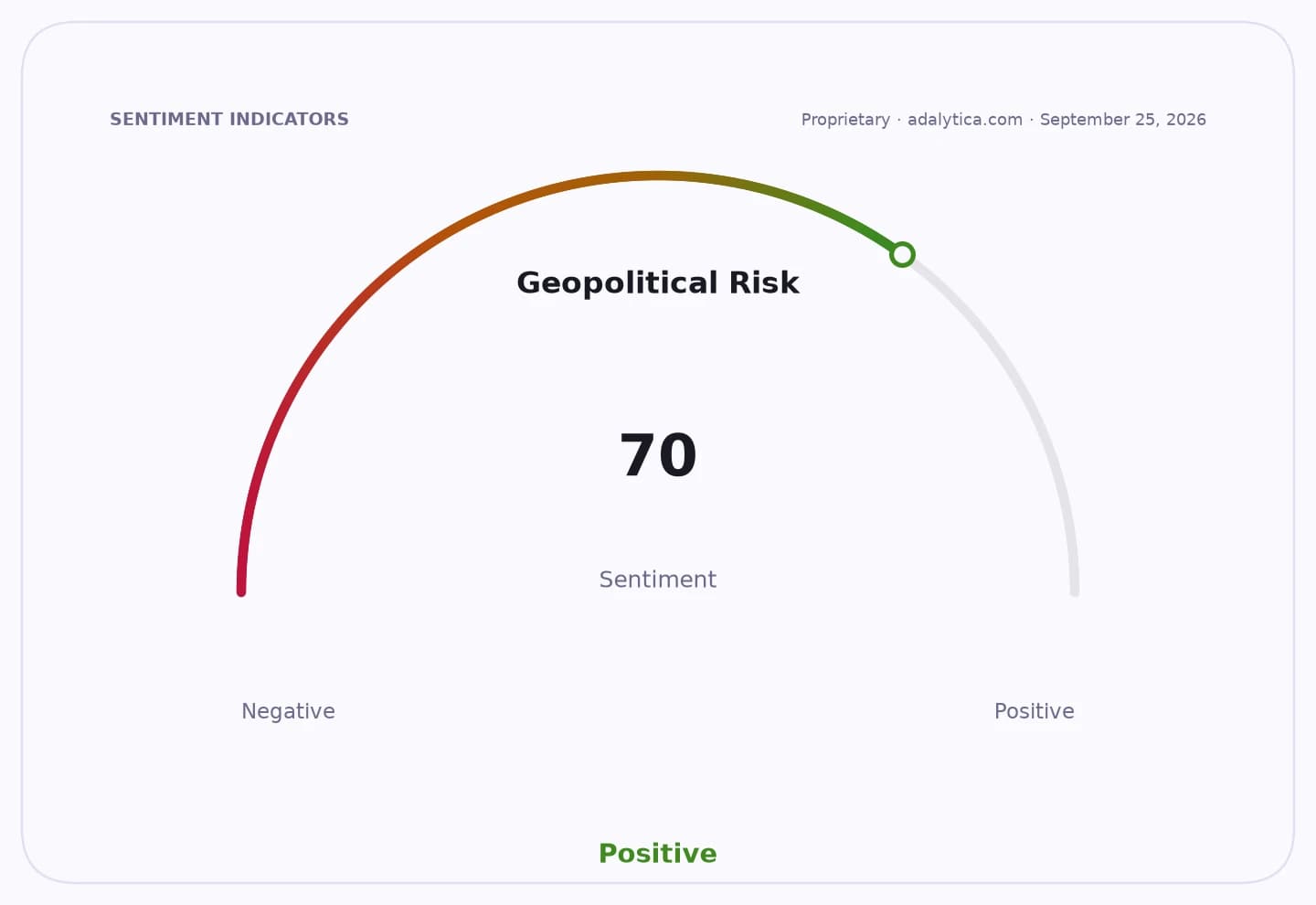
Sentiment IndicatorsⓘProprietary · adalytica.com · August 11, 2026
This is a snapshot — live sentiment, awareness and momentum for 130+ markets update continuously in the dashboard.Open AlphaPulse
The backdrop is a Chinese economy still looking for growth engines, and tourism is one of the cleaner ones. Adalytica’s China growth-target gauge shows sentiment at 89, or “Extreme Greed,” with awareness also at 86, suggesting the market is leaning hard into the idea that policy support and consumer activity can help stabilize the outlook. The yuan has also drawn strong attention, with Adalytica’s trade-signal snapshot showing sentiment at 84 and awareness at 98, underscoring how closely investors are watching the currency as a barometer of Chinese demand.
That helps explain why travel-linked stocks keep mattering even when the story starts far from Wall Street. MGM Resorts, with meaningful exposure to Macau and broader Asian gaming and tourism demand, remains sensitive to whether Chinese consumers are spending freely on trips and entertainment. Travel + Leisure is another beneficiary if domestic and regional travel stays resilient, while online platforms and package sellers can gain from a more diversified mix of destinations and experiences.
The market action suggests investors are still wrestling with that opportunity. MGM has pulled back to about $43.36 from a June peak above $50, while remaining well above its 200-day moving average, a sign the long-term trend is still constructive even after recent weakness. Travel + Leisure, meanwhile, has cooled from above $77 to about $73.40, but its shares are still comfortably above the 200-day line, reflecting confidence that travel demand remains intact.
What makes industrial tourism interesting is that it can spread spending beyond the usual coastal hotspots and theme parks. A former factory city that attracts visitors for design, engineering history or local production can turn empty hotel rooms, restaurants and transport links into revenue. That is exactly the kind of incremental demand China needs if it wants consumption to do more of the heavy lifting in growth.
There are risks, of course. A weaker economy, a soft yuan or any renewed pushback against mass tourism could slow the trend. But for long-term investors, the bigger takeaway is that leisure in China is broadening rather than narrowing. That is usually good news for diversified travel and hospitality operators with durable brands, healthy cash generation and exposure to multiple regions. Worth watching, and a theme to keep on the watchlist for the next several years.
| Entity | Gains | Losses |
|---|---|---|
| Former factory cities | ▲New visitor spending | ▼Reliance on old industry |
| Travel firms | ▲More domestic demand | ▼Pure manufacturing towns |
| MGM and peers | ▲Asia travel upside | ▼Soft China demand |
| Local communities | ▲Jobs and services revenue | ▼Nuisance from overcrowding |