China is leaning more heavily on state-backed infrastructure and investment projects to stabilize growth, a move that could help offset a weakening private-sector backdrop without triggering the kind of broad stimulus Beijing has been reluctant to unleash.
China leans on infrastructure to steady growth
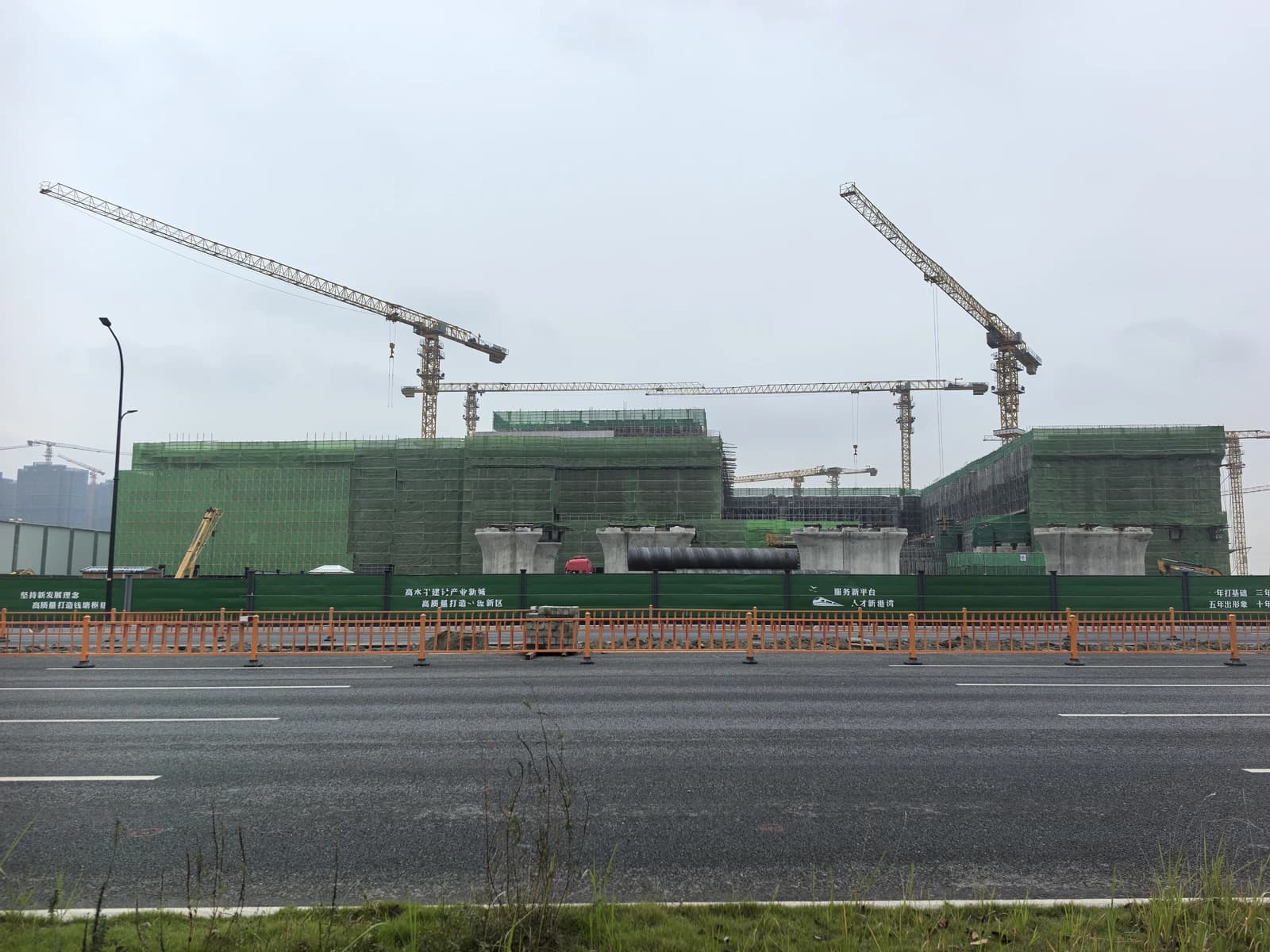
The shift matters because China’s economy is slowing at a time when policymakers are trying to avoid another debt-fueled spending wave. With investment losing momentum and growth cooling to its weakest pace since 2022, faster project approvals and execution give Beijing a narrower, more targeted way to support activity while limiting pressure on local government balance sheets and the yuan.
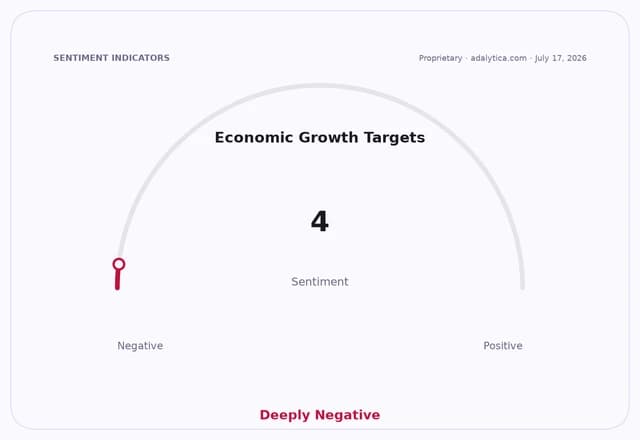
Sentiment IndicatorsⓘProprietary · adalytica.com · July 17, 2026
This is a snapshot — live sentiment, awareness and momentum for 130+ markets update continuously in the dashboard.Open AlphaPulse
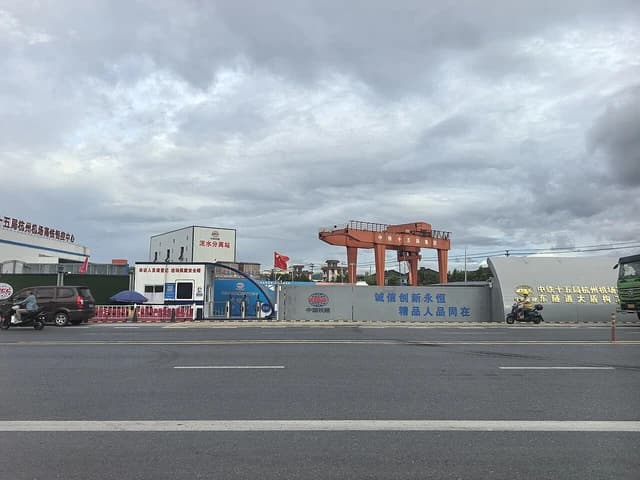
That approach is already feeding into markets. Investors have been rotating toward China-sensitive trades on hopes that policy support will cushion demand, even as the broader outlook remains fragile. FXI, the iShares China Large-Cap ETF, has recovered to $34.53 from a March low near $35.73, but its share price still sits below the 200-day moving average of $37.22, underscoring that confidence remains tentative.
At the same time, the yuan has become a closer watchpoint for traders. Adalytica’s Chinese Yuan Trade Signals show sentiment at 73, or “Greed,” while awareness is only 22, labeled “Fear,” suggesting the currency is benefiting from policy optimism but remains vulnerable to sudden shifts in risk appetite. A separate Adalytica gauge on China growth targets shows sentiment at just 4, or “Extreme Fear,” reflecting skepticism that current measures will be enough to deliver a broad-based rebound.
The policy mix also fits Beijing’s broader playbook. Rather than a sweeping rescue that could reignite leverage concerns, officials are betting on state-led investment to keep factories, construction and related supply chains moving, while preserving room to react later if demand worsens further. That matters for commodity producers, industrial exporters and global manufacturers tied to Chinese demand, including companies such as Caterpillar and Freeport-McMoRan, which rely on China-linked capital spending and construction activity.
Geopolitical friction is an added complication. Regional tensions have risen after China’s reported long-range missile test from a nuclear-powered submarine drew condemnation from Australia, Japan and New Zealand, adding another layer of uncertainty for investors already weighing the trade-off between policy support and external risk.
For investors, the key question is whether faster project execution can buy enough time for the economy to stabilize without forcing Beijing into a larger, market-disruptive stimulus package. The next catalyst is likely to be fresh policy guidance and incoming growth data, which will show whether targeted spending is enough to keep China’s recovery from stalling.
| Entity | Gains | Losses |
|---|---|---|
| Chinese state-backed builders | ▲More project flow | ▼Slower private demand |
| Commodity exporters | ▲Steadier China orders | ▼Weak broad stimulus |
| China policymakers | ▲Growth support with less debt risk | ▼Pressure for bigger bailout |
| FXI / China bulls | ▲Policy hope rally | ▼Limited follow-through if growth lags |




