July 4, 2026 — China’s decision to add 20 Japanese companies to its export embargo list has turned a diplomatic dispute with Tokyo into a broader trade-risk event, threatening supply chains between two of Asia’s largest economies while investors mark down Chinese assets more aggressively than Japanese equities.
China-Japan Trade Rift Pressures China Assets
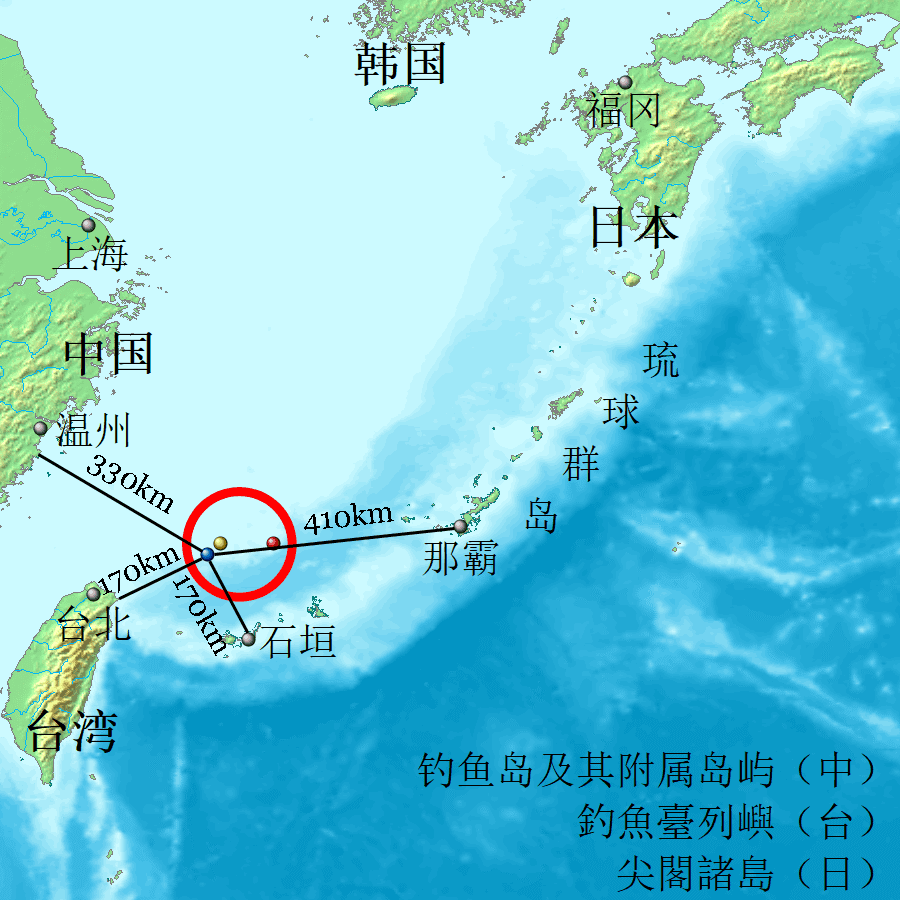
Beijing now restricts exports to 40 Japanese firms, citing concerns over Japan’s alleged remilitarization. Japan has condemned the measures as “absolutely unacceptable” and is pressing China to reverse the bans. The detention of two Japanese nationals on smuggling charges tied to banned goods has further raised the stakes, adding legal and political risk to what had already become a test of economic leverage.
Sentiment IndicatorsⓘProprietary · adalytica.com · July 4, 2026
This is a snapshot — live sentiment, awareness and momentum for 130+ markets update continuously in the dashboard.Open AlphaPulse
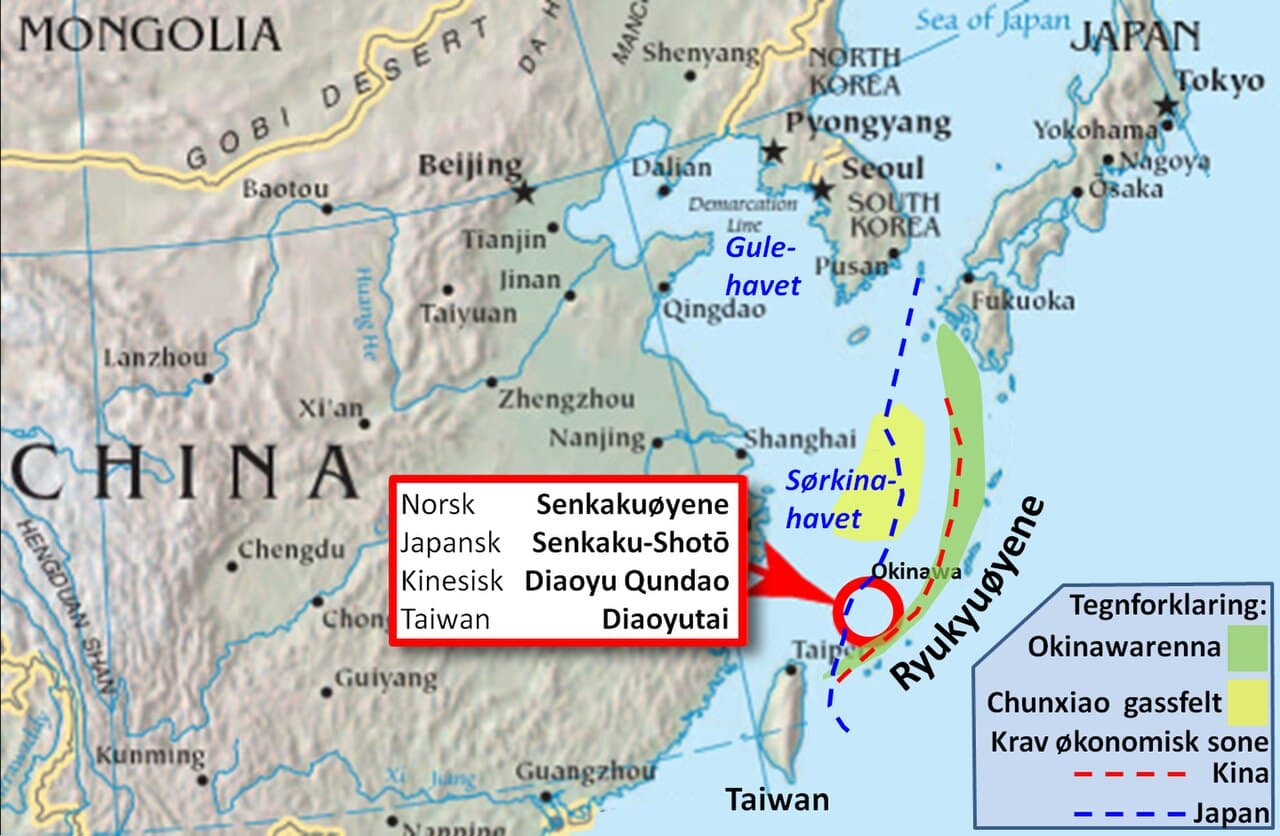
The economic significance is that export controls are no longer confined to strategic rivalry between China and the United States. A widening China-Japan dispute could affect the movement of critical resources, components and advanced technologies across a region where manufacturers rely on tightly integrated production networks. Even targeted restrictions can force companies to reroute procurement, rebuild compliance systems and carry more inventory, raising costs before any direct loss of sales appears.
For investors, the market signal is increasingly divergent. The iShares MSCI Japan ETF, EWJ, closed at $93.14 on July 2, above its 50-day moving average of $91.30 and 200-day average of $84.83, leaving it near recent highs. The iShares China Large-Cap ETF, FXI, closed at $31.91, well below its 50-day average of $35.06 and 200-day average of $37.51. Its RSI reading of 22.2, a conventional technical indicator, points to heavily oversold conditions rather than confidence in a near-term recovery.
That split suggests investors are treating the escalation less as an immediate blow to Japan’s broad equity market and more as another reason to demand a geopolitical discount on China exposure. Japanese shares are also being cushioned by currency weakness: the yen-tracking FXY ETF closed at $56.95, below both its 50-day and 200-day moving averages, a setup that can support Japan’s exporters even as it raises import costs.
Corporate disclosures show why the dispute matters beyond headlines. Honda Motor warned in a June 18 annual filing that countries are tightening import and export controls and adopting policies that block critical resources, components, parts and advanced technologies. The company also cited geopolitical risk from changing laws and regulations across its global operations. That language now looks less hypothetical as Beijing broadens restrictions against Japanese firms.
The latest measures may also complicate diplomacy because they combine trade controls with criminal enforcement. Detentions linked to smuggling allegations can make any negotiation harder, while export bans create uncertainty for counterparties that are not themselves sanctioned but depend on affected firms. Japanese manufacturers, Chinese suppliers and logistics operators may all need to reassess exposure if the embargo list continues to expand.
Broader risk appetite has not fully cracked. Proprietary indicators from Adalytica.com showed S&P 500 sentiment at 78, labeled “Greed,” on July 3, while U.S. dollar sentiment stood at 70 with elevated awareness. That backdrop helps explain why the China-Japan flare-up has not triggered a wider equity retreat. But it also means markets may be vulnerable if the dispute moves from targeted restrictions to broader retaliation.
The next phase will hinge on whether Tokyo can secure exemptions or a reversal, and whether Beijing views export controls as a bargaining chip or a durable policy tool. For now, the market is drawing a sharp distinction: Japan remains investable despite the shock, while China assets are carrying the heavier burden of geopolitical risk.
| Entity | Gains | Losses |
|---|---|---|
| Beijing hawks | ▲More leverage over Tokyo | ▼Higher market-risk premium |
| Japanese exporters | ▲Weaker yen cushion | ▼Supply-chain uncertainty |
| Chinese equity investors | ▲Oversold rebound potential | ▼Deeper geopolitical discount |
| Japanese manufacturers | ▲Possible policy support | ▼Restricted inputs and compliance costs |