China’s July retail sales rose only 0.6%, a stark reminder that the world’s second-largest economy is still struggling to ignite the consumer engine that would make its growth more self-sustaining.
China July Retail Sales Rise 0.6% as Demand Slows

That matters because China cannot rely forever on exports, infrastructure or policy support to carry growth. A healthy household sector is what turns a rebound into a durable expansion, and July’s numbers suggest that recovery remains uneven at best. Industrial output also slowed, unemployment ticked higher and car sales plunged 17%, reinforcing the message that domestic demand is not yet doing enough of the heavy lifting.
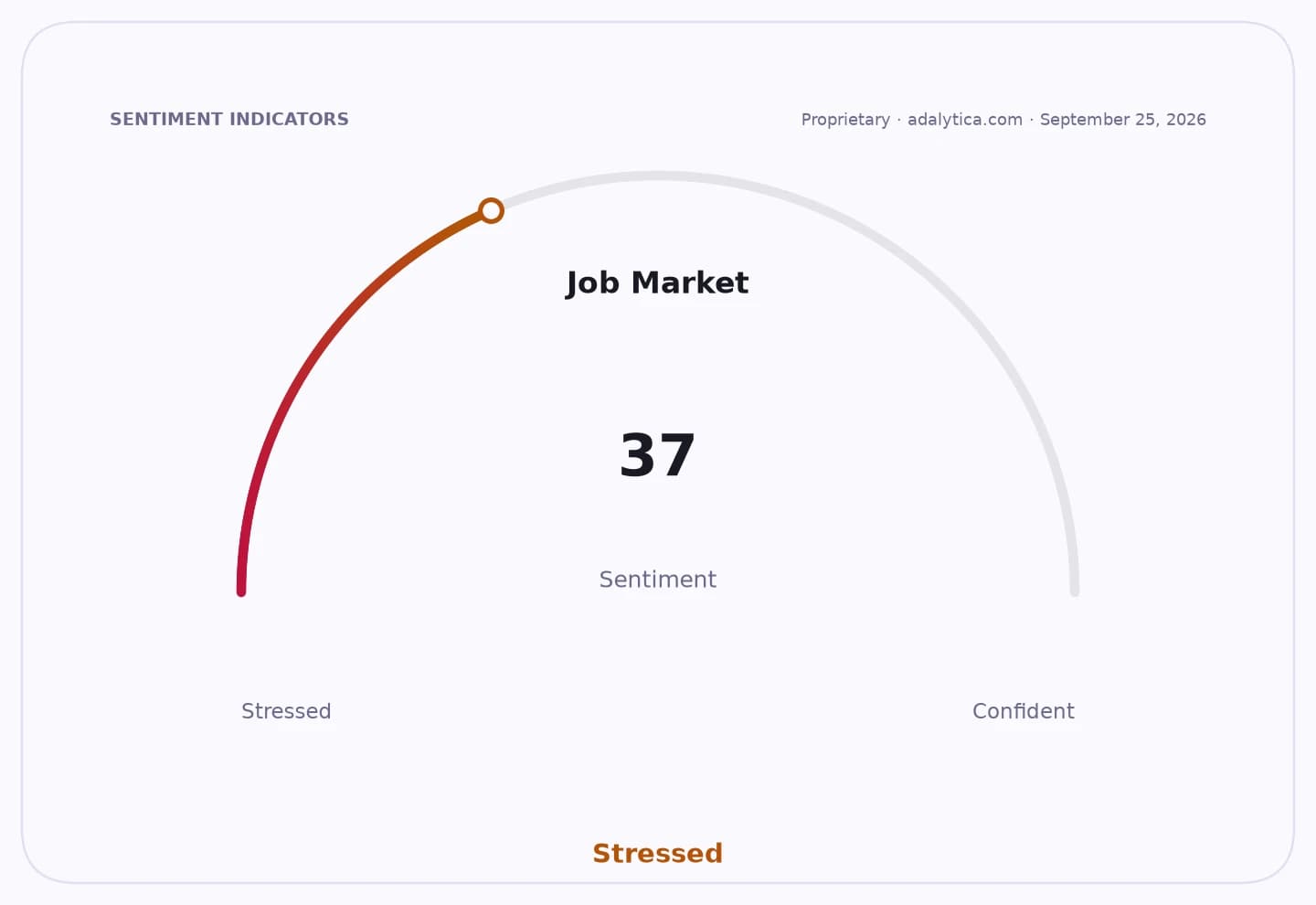
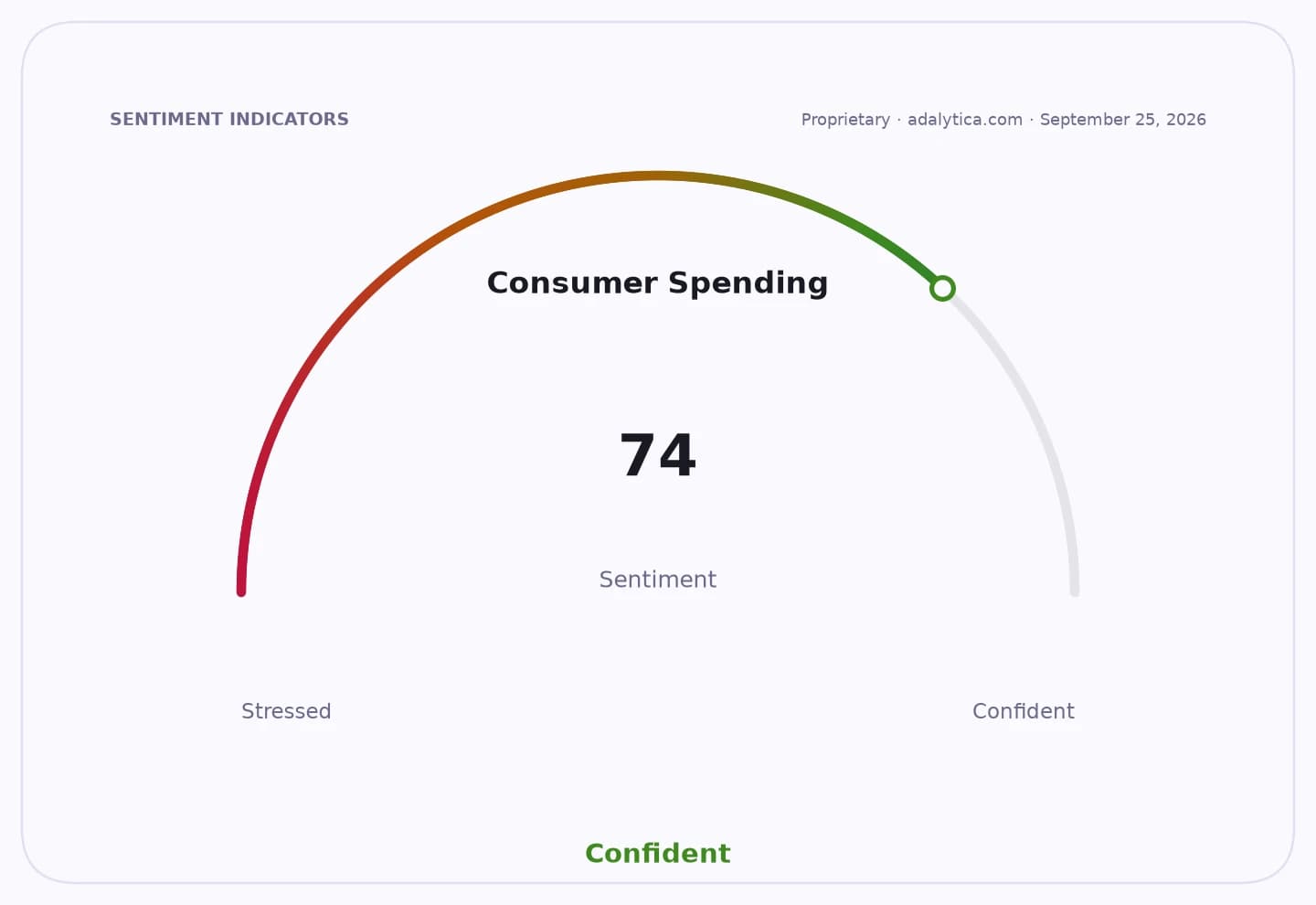
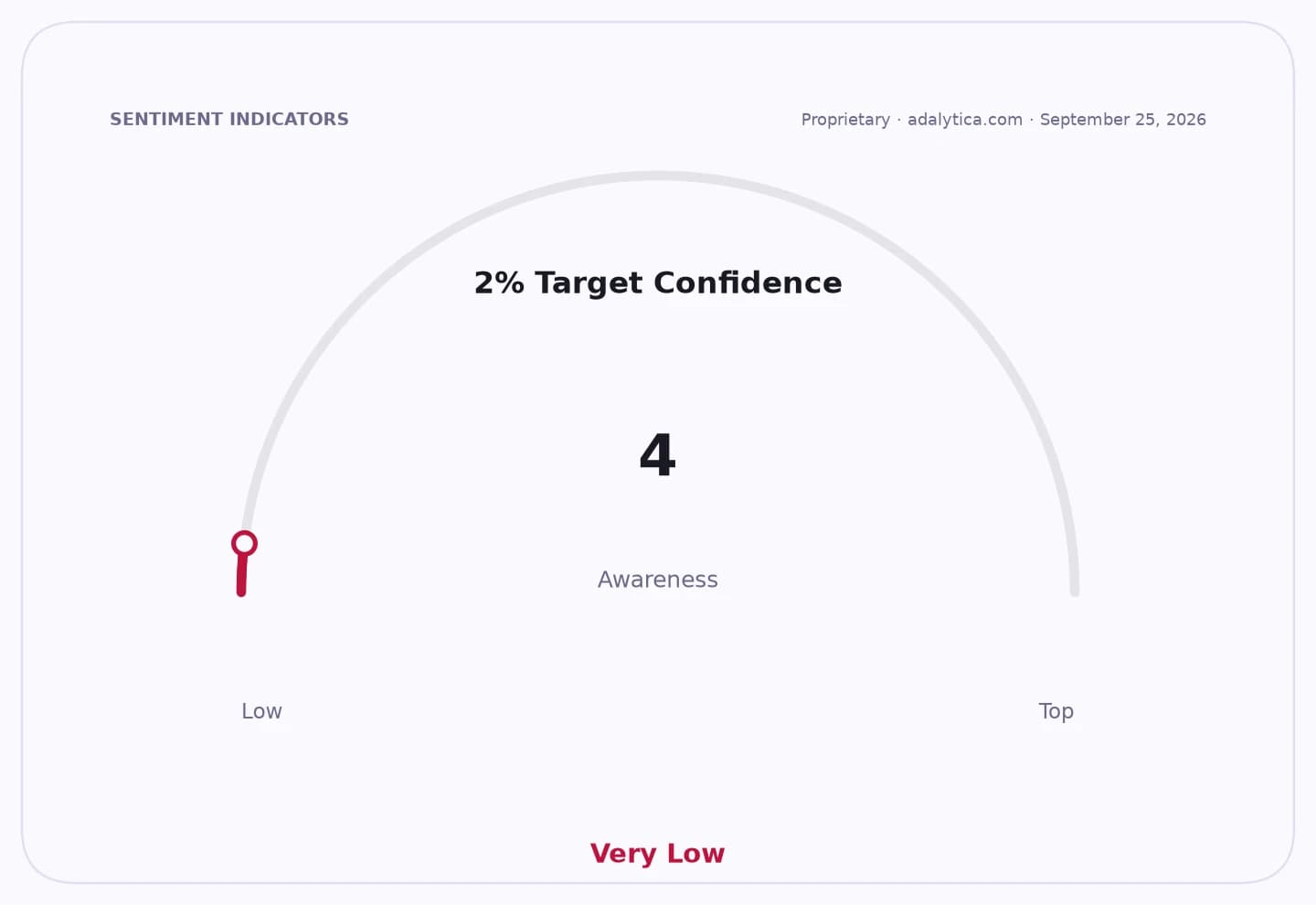
Sentiment IndicatorsⓘProprietary · adalytica.com · August 17, 2026
This is a snapshot — live sentiment, awareness and momentum for 130+ markets update continuously in the dashboard.Open AlphaPulse

For investors, that keeps the case for China exposure highly selective. Weak consumption is a direct headwind for retailers, e-commerce platforms and brands that depend on Chinese shoppers, while also limiting the earnings leverage many global companies hoped to see from a reopening-led rebound. It also helps explain why China-focused funds have had such a choppy run: the market can bounce on stimulus hopes, but sustained gains need better spending data.
The uneven picture inside autos shows how patchy the recovery is. New energy vehicles accounted for more than 60% of July sales, suggesting consumers are still willing to spend in favored categories, but traditional car purchases remain under pressure. That split is important for long-term investors because it points to a market that is changing, not uniformly strengthening.
The macro backdrop is still not disastrous. Retail sales were up 2.6% in the first seven months, and China’s GDP base remains enormous. But a large economy can still be a weak equity story if households stay cautious, employment softens and pricing power remains limited.
Adalytica’s Consumer Spending Sentiment has also swung lower, underscoring how fragile the mood around spending remains, even if awareness of the issue is high. That kind of backdrop tends to favor patience over urgency. For long-term investors, China is still a “wait for proof” market — one where selective exposure may make sense, but broad optimism needs firmer evidence that the consumer is finally coming back.
| Entity | Gains | Losses |
|---|---|---|
| Chinese exporters | ▲External demand | ▼Domestic demand recovery |
| China e-commerce and retailers | ▲Policy support hopes | ▼Sluggish household spending |
| New energy vehicle makers | ▲Rising market share | ▼Traditional automakers |
| China-focused investors | ▲Selective stock opportunities | ▼Broad index rerating |