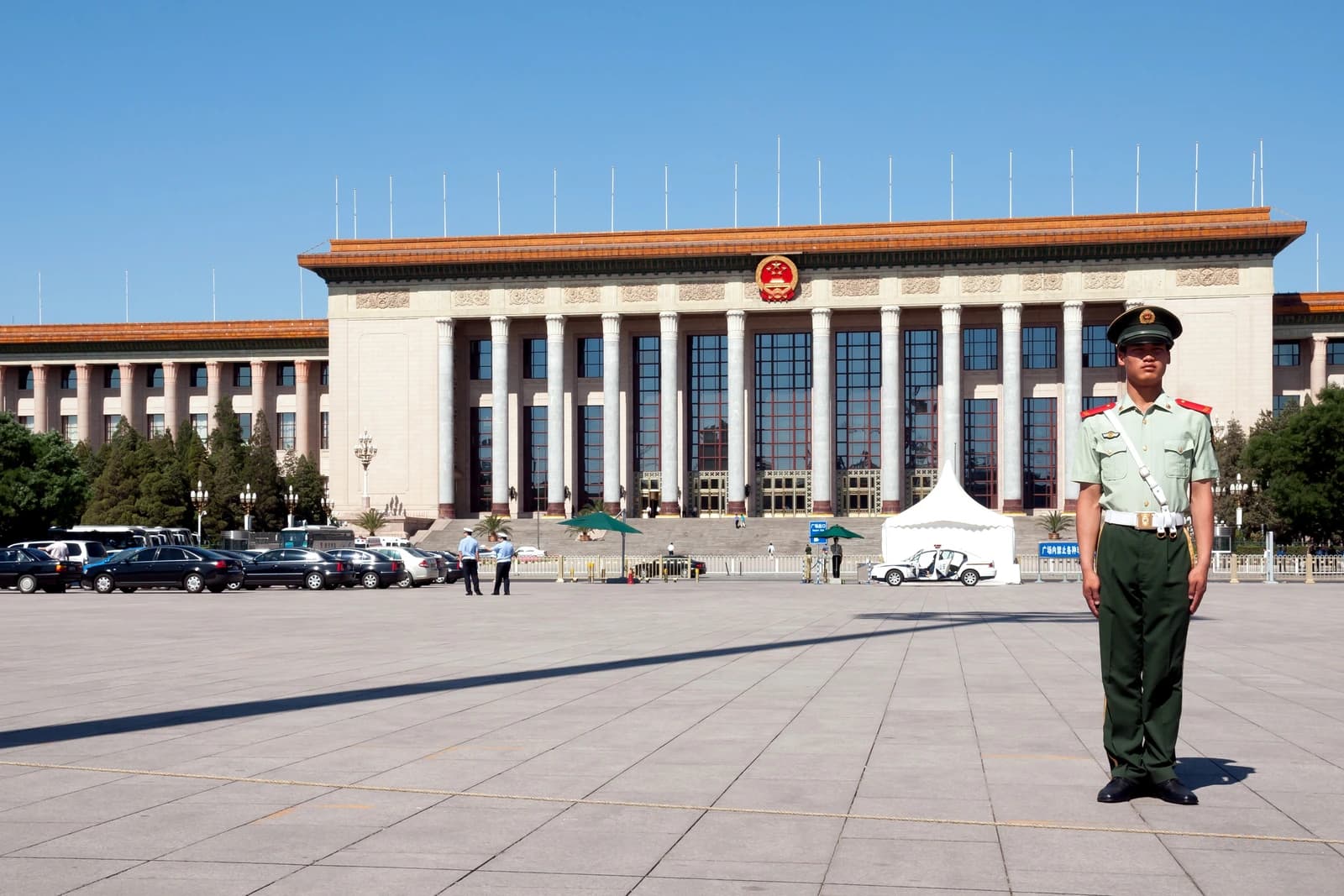
China’s ruling Communist Party is laying the groundwork for a new cohort of younger officials to move into senior posts, even as President Xi Jinping deepens his grip on the top ranks through a sweeping political reset that is bringing the military back into the leadership structure.
China Party Reset Lifts Younger Officials
CCP Policy Direction
The Beijing meeting this week is expected to help define the path for members of the party’s so-called seventh generation, or 7G, to take on key roles over the coming years. For investors, the bigger issue is not personnel alone but the policy mix that comes with it: a more tightly managed leadership pipeline typically means less room for policy divergence, stronger emphasis on loyalty and discipline, and a governance style that can shape everything from industrial policy to market access.
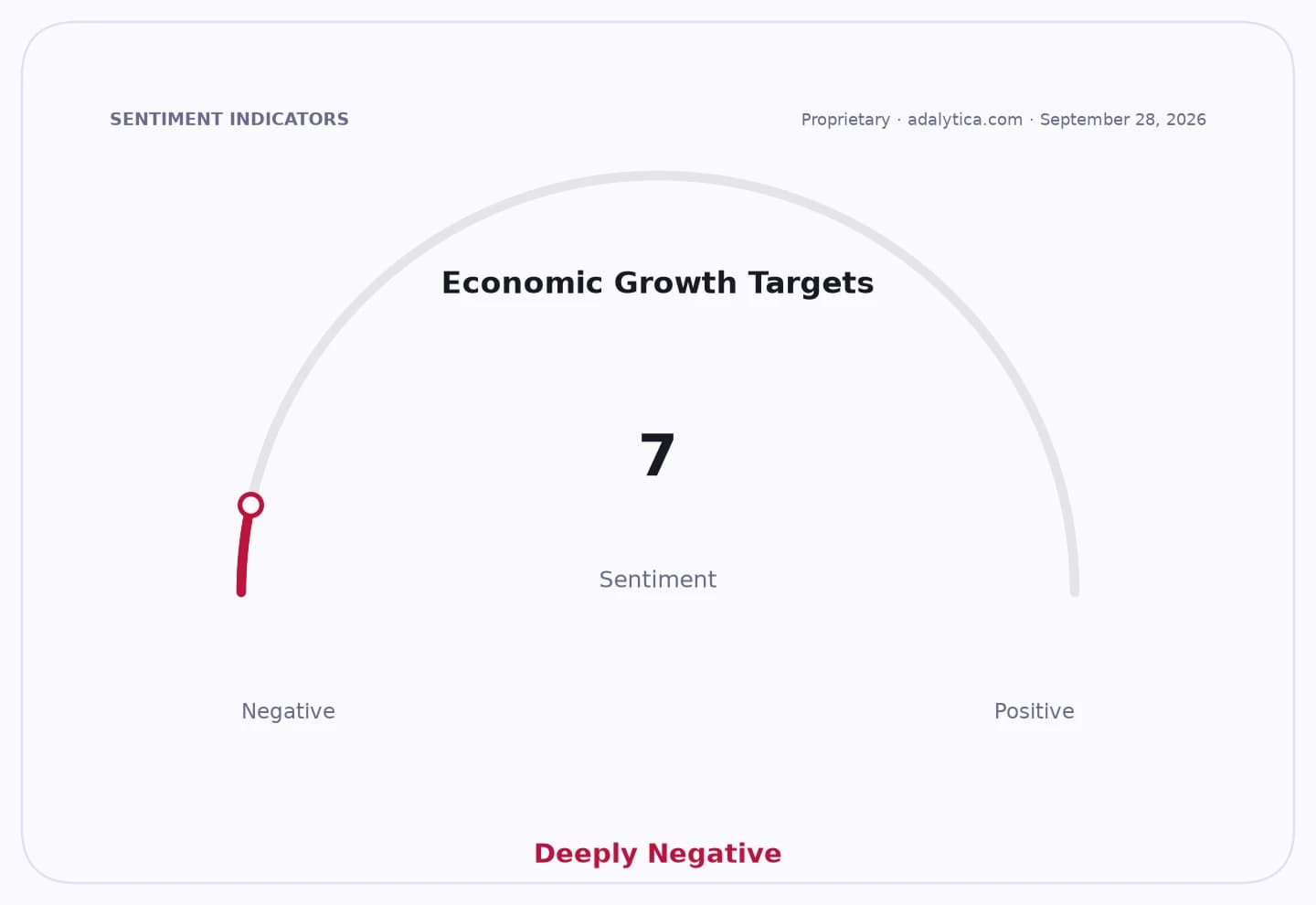
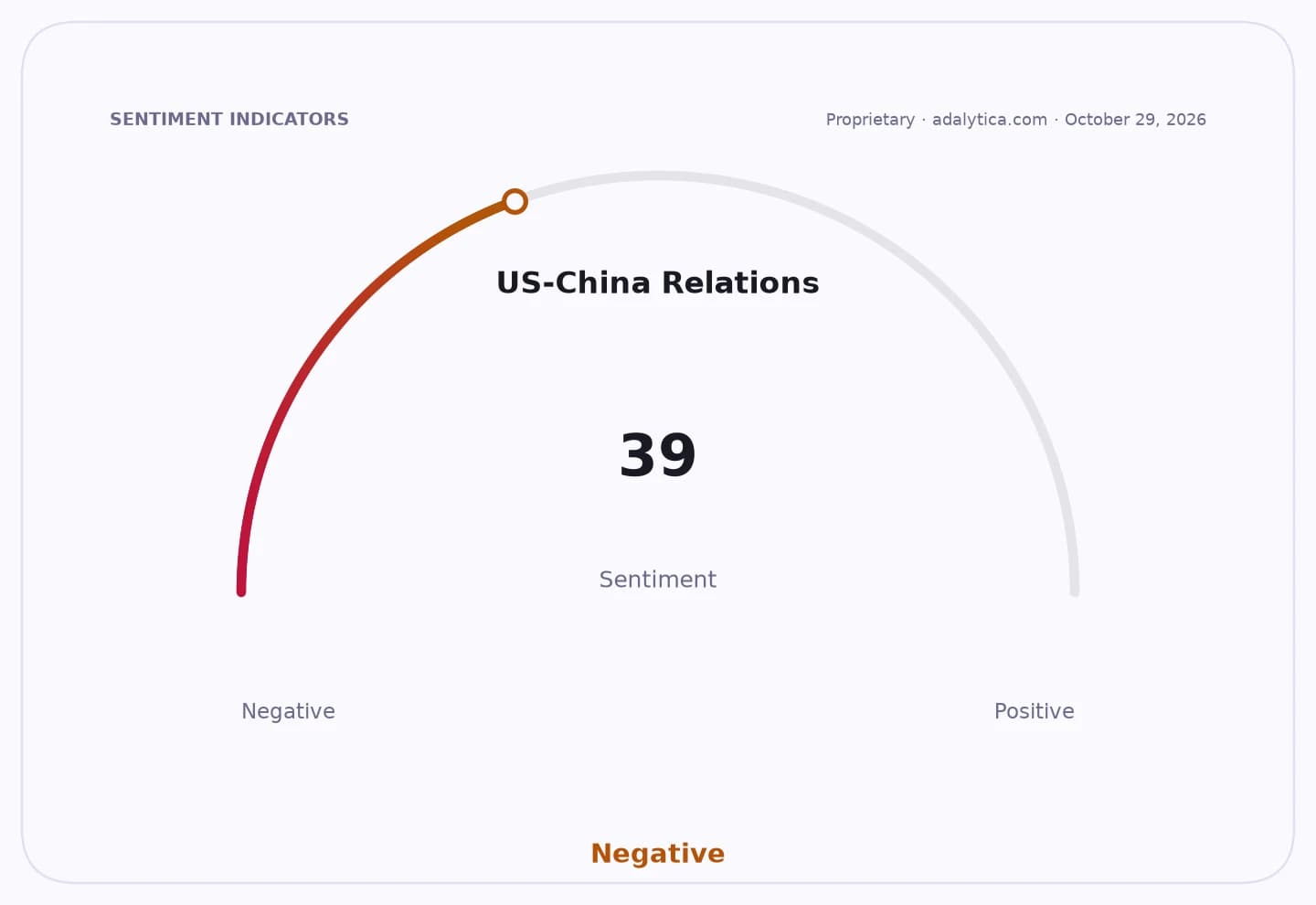
Sentiment Indicators
Xi’s campaign has already removed 33 party members, underscoring how aggressively he is clearing out officials deemed unreliable. That purge has coincided with a renewed role for military figures in the party’s power structure, a sign that Beijing is prioritizing control and internal security alongside political continuity.
The criteria being used to identify future leaders show how the party is narrowing the profile of acceptable successors. Xie Maosong, a senior researcher at Tsinghua University’s National Institute of Strategic Studies, said the party wants cadres with “absolute political loyalty, integrity, fighting spirit, technological or ‘hard science’ expertise, grass-roots experience and hardship resilience.”
That emphasis matters economically because it reinforces the state’s focus on strategic self-reliance, industrial upgrading and security-first policymaking. A leadership class selected for technical competence and discipline is likely to remain aligned with Beijing’s push into advanced manufacturing, chips, defense-linked technology and other priority sectors, while offering little sign of a shift toward more market-friendly liberalization.
For markets, the implication is a China that may be politically more predictable in the short term but structurally harder to handicap over time. Investors in Chinese equities, the yuan and Asia ex-China assets will be watching whether the leadership transition accelerates policy continuity, state intervention and military influence rather than broad-based economic reform.
The party congress is expected to formalize the changes, with the main question for investors being whether the new generation reinforces Xi’s model of centralized control or introduces any room for economic pragmatism as China tries to support growth while managing domestic and geopolitical pressures.
| Entity | Gains | Losses |
|---|---|---|
| Xi Jinping | ▲tighter control | ▼internal rivals |
| Military leaders | ▲greater influence | ▼civilian technocrats |
| 7G cadres | ▲promotion prospects | ▼older officials |
| Investors seeking stability | ▲clearer policy direction | ▼reform hopes |