China has publicly raised the pressure on Israel over the West Bank, saying settlement construction there must stop and be canceled, in a sign Beijing is willing to use its diplomatic weight to keep the Palestinian issue at the center of Middle East politics.
China Presses Israel on West Bank Settlements
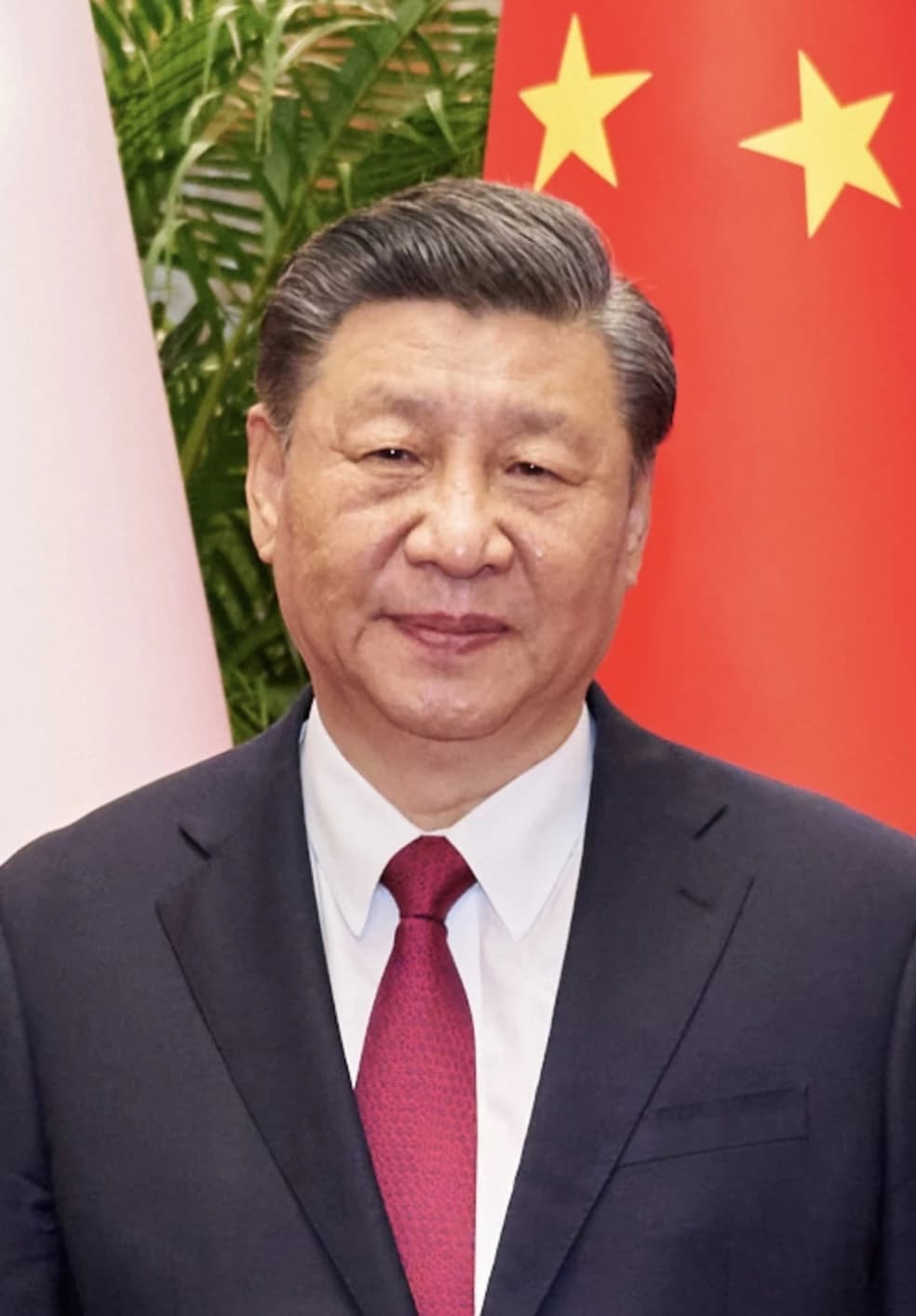
The message from Foreign Minister Wang Yi to President Isaac Herzog, delivered during a meeting in Azerbaijan, matters because it reinforces Beijing’s alignment with a two-state solution at a moment when the conflict’s regional and economic spillovers remain elevated. China framed the Palestinian question as the “largest historical injustice of this century” and said the urgent priority is full access to Gaza to prevent a worsening humanitarian crisis.
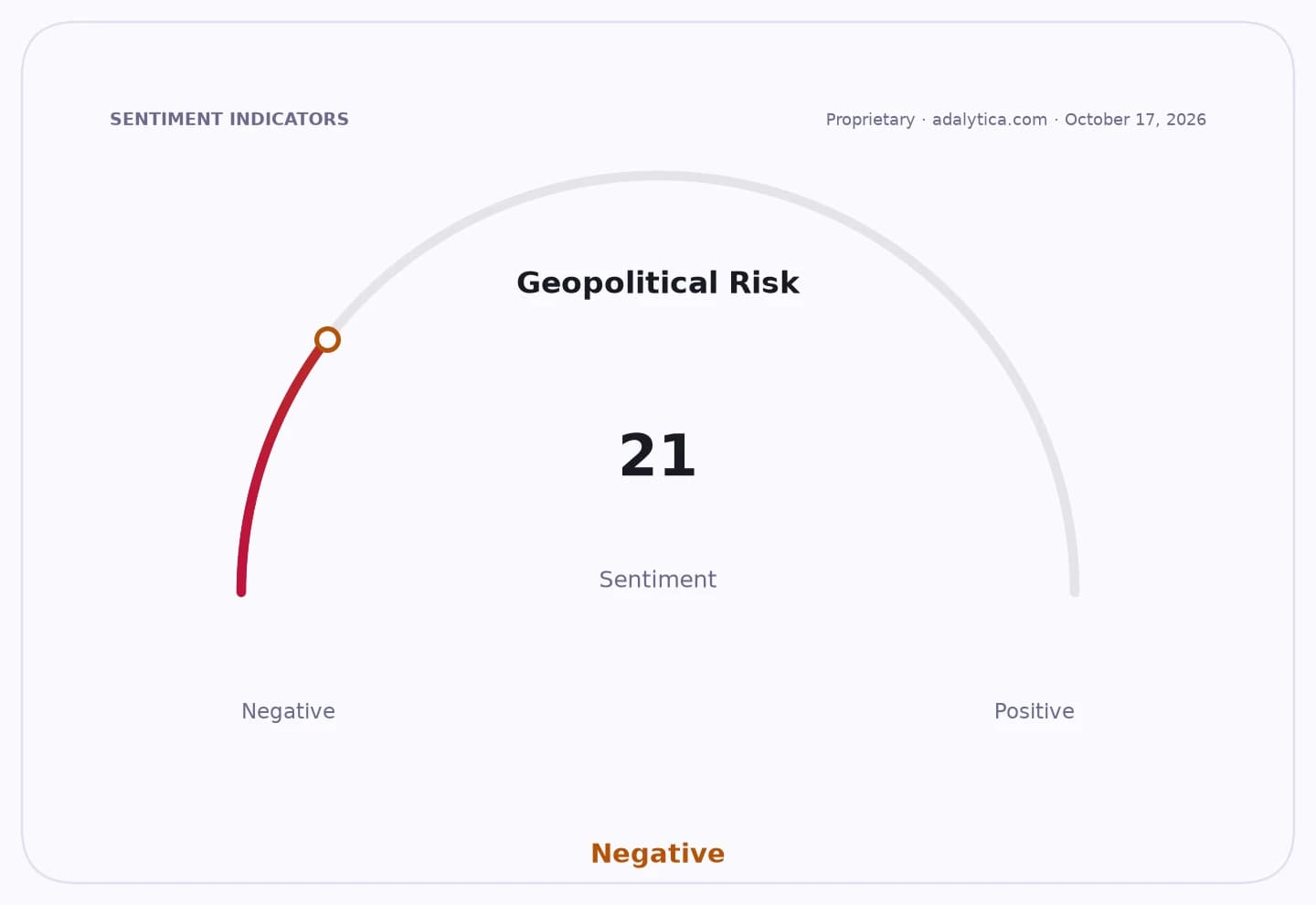
Sentiment IndicatorsⓘProprietary · adalytica.com · October 19, 2026
This is a snapshot — live sentiment, awareness and momentum for 130+ markets update continuously in the dashboard.Open AlphaPulse
For markets, the immediate relevance is not a direct trading catalyst but a reminder that the conflict remains a live geopolitical risk for energy, shipping and broader risk appetite. Adalytica’s Global Stability Sentiment gauge has swung sharply, and its awareness reading remains at an “Extreme Fear” level, underscoring how quickly geopolitical shocks can reprice assets even when they do not move on a single headline. The China CCP Policy Direction Sentiment gauge also shows elevated attention to Beijing’s stance, suggesting investors are still treating China’s Middle East diplomacy as part of a wider strategic contest.
The statement also highlights Beijing’s attempt to position itself as a broker in the region while keeping ties with both the Palestinian side and Iran, one of Israel’s principal adversaries. That gives China leverage in diplomatic forums, but also limits how far Israeli policymakers are likely to shift in response to rhetoric alone. Herzog’s office declined to comment on any discussion of the West Bank or Palestine, suggesting no visible movement from the Israeli side.
The economic stakes are broader than the territory itself. Continued settlement expansion complicates any path to a negotiated settlement, prolongs regional uncertainty and keeps the risk premium alive across assets sensitive to Middle East stability. That matters for investors because prolonged conflict raises the odds of intermittent spikes in oil, transportation costs and defense spending, while sustaining pressure on sentiment in global equities.
For now, the most important takeaway is that China is using its relationship with Israel to press a familiar but politically loaded message: pause settlement activity, open Gaza and return to talks. Whether that alters facts on the ground is unclear, but it keeps the diplomatic channel active at a time when the wider region remains vulnerable to fresh escalation.
| Entity | Gains | Losses |
|---|---|---|
| China | ▲Diplomatic profile | ▼Neutrality expectations |
| Palestinians | ▲International backing | ▼Settlement expansion |
| Israel | ▲Diplomatic engagement | ▼Pressure on policy |
| Global markets | ▲Clarity on Beijing stance | ▼Higher geopolitical risk |