Commercial goods have been stopped from entering Gaza for two straight days, worsening a fragile supply situation just as China stepped up diplomatic pressure on Israel over West Bank settlements and called for full access to the enclave.
Gaza commercial imports stop for two days
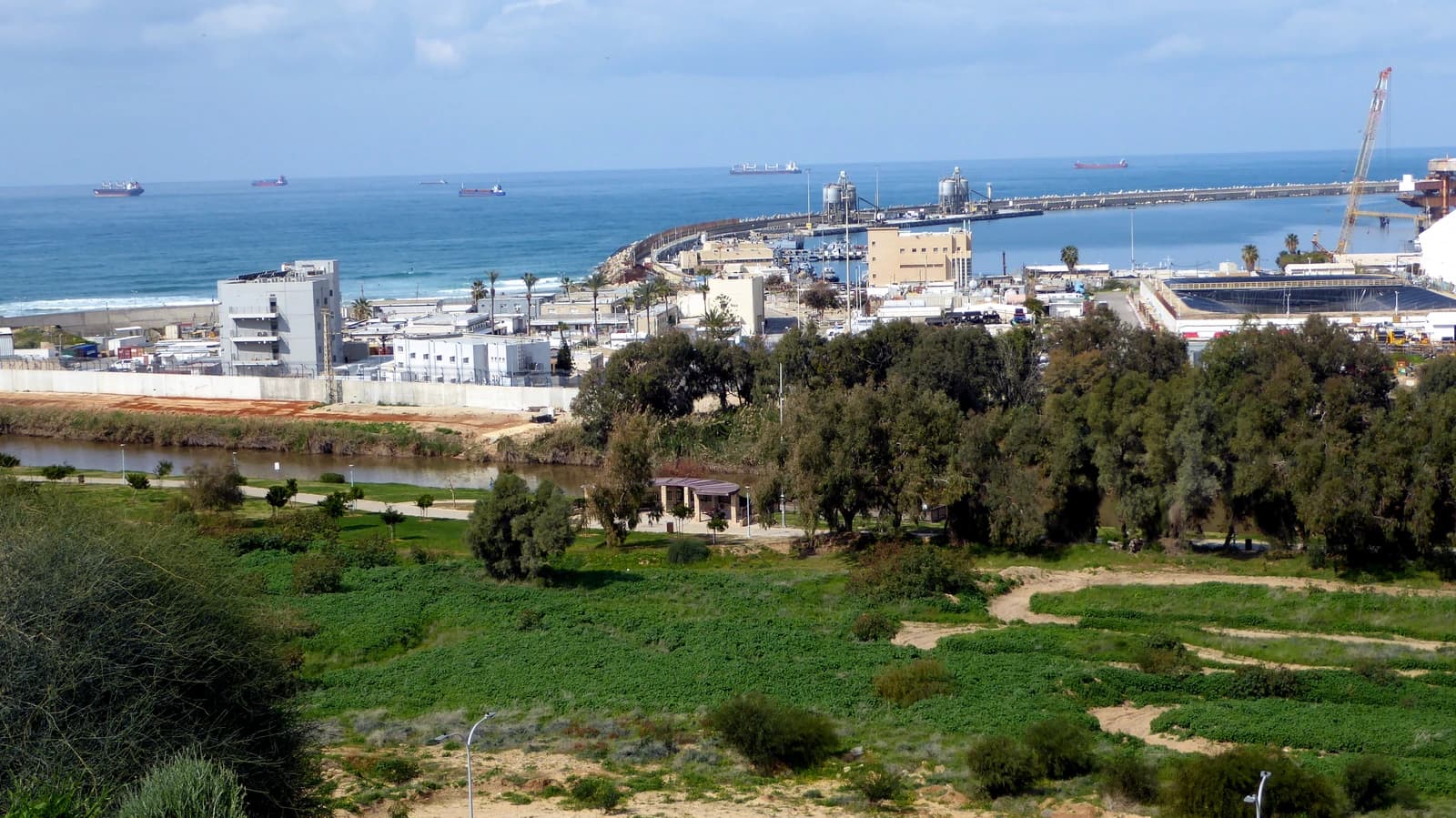
The interruption matters because Gaza relies almost entirely on goods cleared through Israeli crossings, and commercial imports typically carry the fresh food, clothing and seasonal items that humanitarian agencies do not fully replace. With winter approaching, the halt risks tightening already strained food supplies and pushing more families toward aid dependence at a time when the humanitarian system is already operating at the margin.
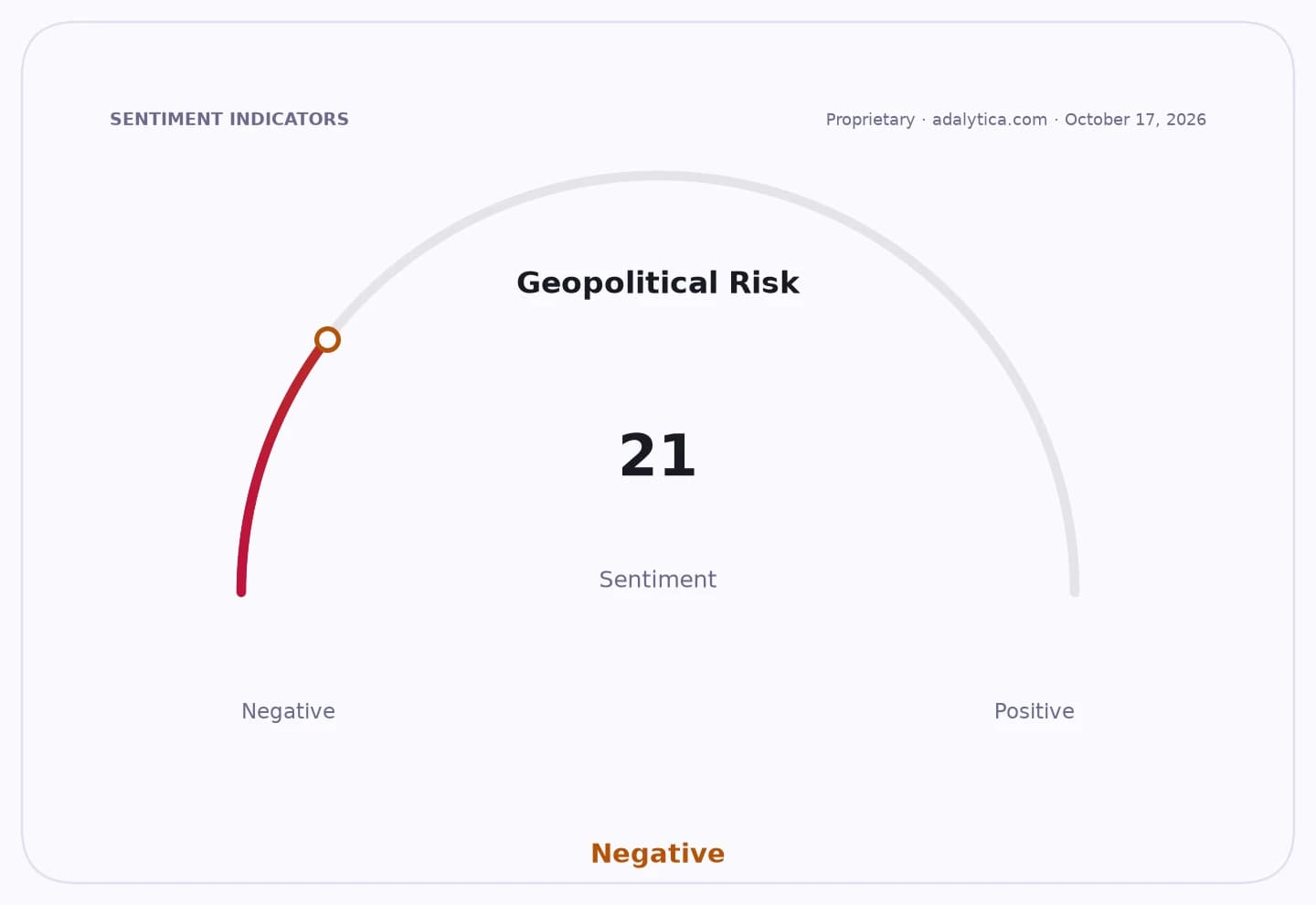
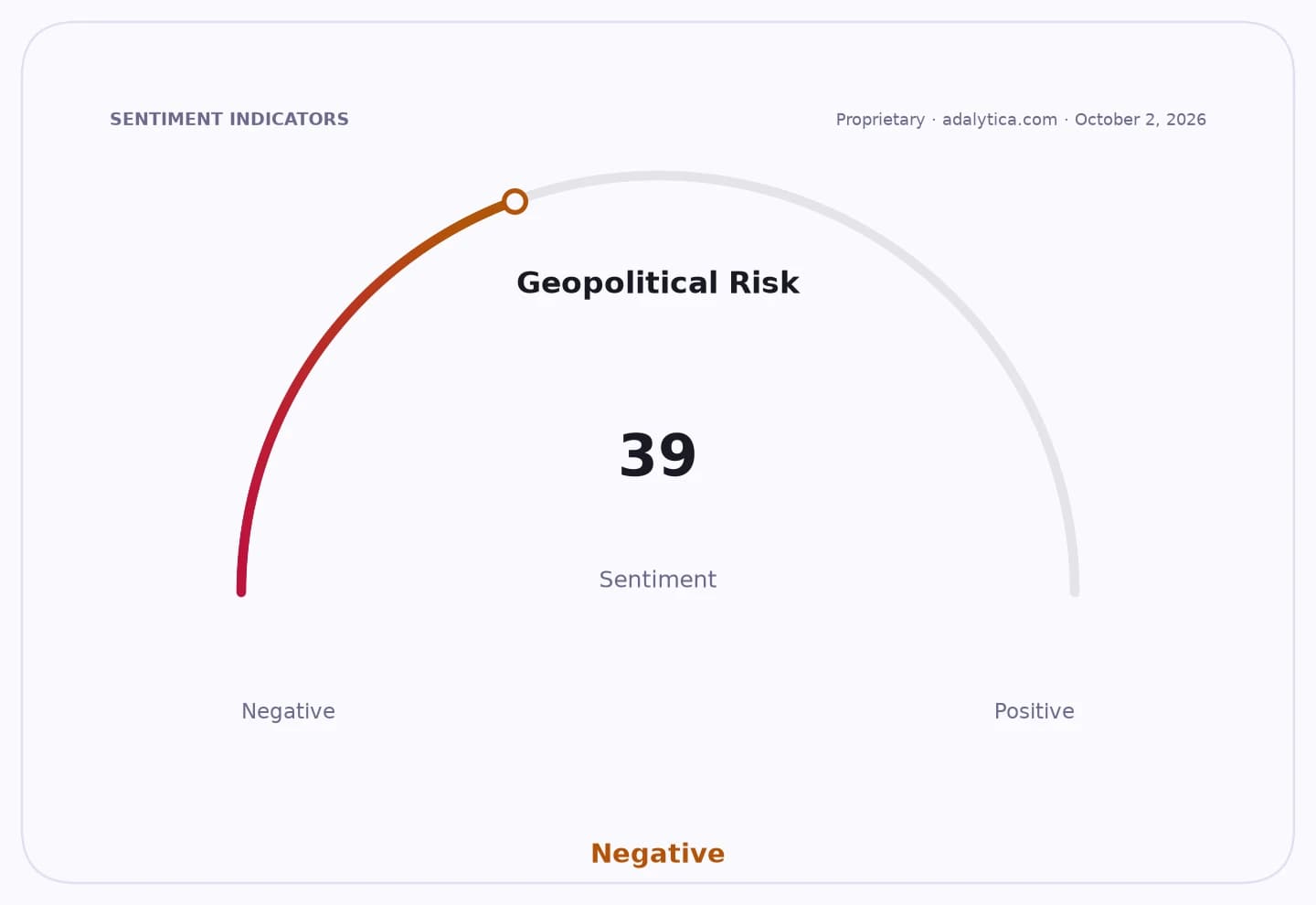
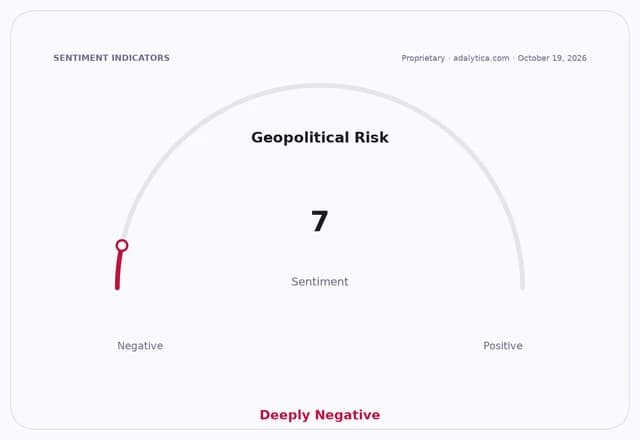
Sentiment IndicatorsⓘProprietary · adalytica.com · October 19, 2026
This is a snapshot — live sentiment, awareness and momentum for 130+ markets update continuously in the dashboard.Open AlphaPulse
Israel said the pause reflected a decision by Palestinian traders to stop coordinating shipments after Hamas-imposed taxes, while Gaza importers said the restrictions originated with Israel. That dispute goes to the heart of how the enclave is governed and supplied: if commercial flows break down, the humanitarian pipeline alone is not enough to meet demand. The Norwegian Refugee Council said openly that “the sector humanitarian alone cannot meet everyone’s needs” and that “the market has to function.”
COGAT, the Israeli military body overseeing civilian affairs in Gaza, said the territory’s roughly 2 million people need about 250 truckloads a day, well below the 600 daily trucks envisioned under the U.S.-brokered ceasefire agreement a year ago. Even if aid shipments continue, the loss of commercial imports removes a key channel for perishables such as fruit and meat and for non-food items that are essential to daily life. That raises the odds of price spikes, shortages and renewed pressure on relief agencies to fill a gap they cannot cover alone.
The trade disruption also adds a new geopolitical layer. China’s foreign minister told Israeli President Isaac Herzog that Israel should stop and reverse settlement construction in the West Bank, while reiterating Beijing’s support for a two-state solution and full access to Gaza. Beijing’s intervention will not change conditions on the ground by itself, but it underscores how Israel is facing mounting diplomatic friction even as the war in Gaza continues and the ceasefire remains brittle.
For investors, the immediate market read is less about direct earnings exposure than about broader risk appetite and regional stability. The latest deterioration comes as Adalytica’s Global Stability Sentiment sits at 7, in “Extreme Fear,” while U.S.-China relations sentiment remains elevated at 79, suggesting geopolitics is again shaping cross-asset caution. In practice, that can keep pressure on risk-sensitive assets, raise volatility in energy and shipping, and reinforce demand for havens if the conflict broadens or supply routes come under renewed stress.
The key question now is whether aid flows will be expanded enough to offset the commercial shutdown, and whether the dispute over Gaza’s internal taxation becomes another lever for tightening or easing access. If commercial shipments stay blocked, the economic damage will extend beyond immediate shortages to a deeper erosion of market functioning in Gaza, making any humanitarian recovery harder to sustain.
| Entity | Gains | Losses |
|---|---|---|
| Israeli authorities | ▲More control over crossings | ▼Diplomatic pressure |
| Gaza traders/importers | ▲— | ▼Lost sales and inventory |
| Gaza households | ▲Possible aid focus | ▼Food and winter shortages |
| China | ▲Diplomatic leverage | ▼Little direct impact on policy |