China's Communist Party has begun a leadership reshuffle in key provinces just before a closely watched plenum, a move that matters because it signals how Beijing is positioning officials to carry out policy, enforce discipline and manage growth at a time of weak confidence in the economy.
China reshuffles provincial leaders before plenum
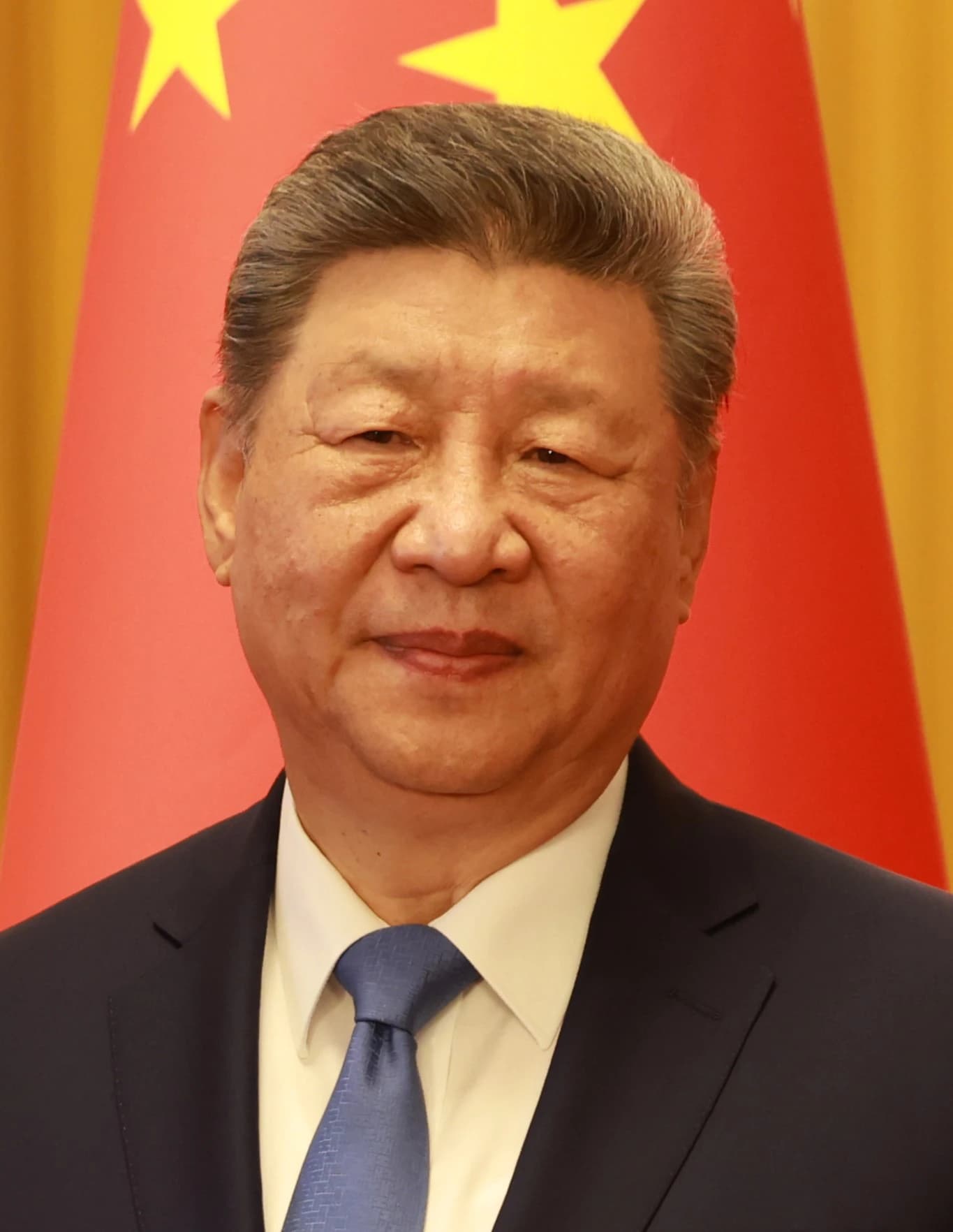
The party on Saturday appointed new chiefs in six provinces, including Hunan and Yunnan, and indicated a series of gubernatorial changes in Fujian, Qinghai, Jiangxi and Hebei. Provincial legislatures still need to formally approve the governor posts, but that step is typically procedural once the party has decided.
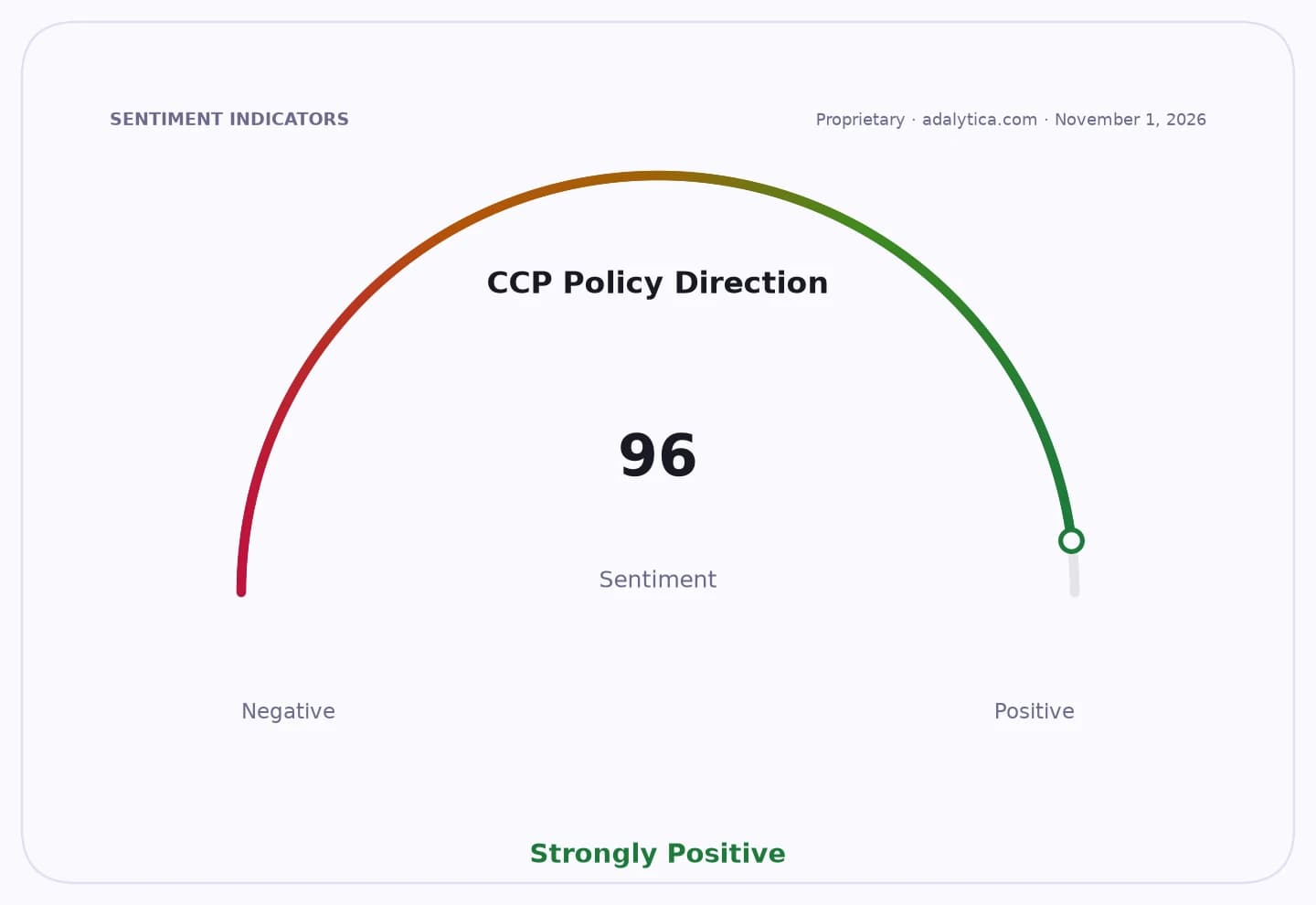
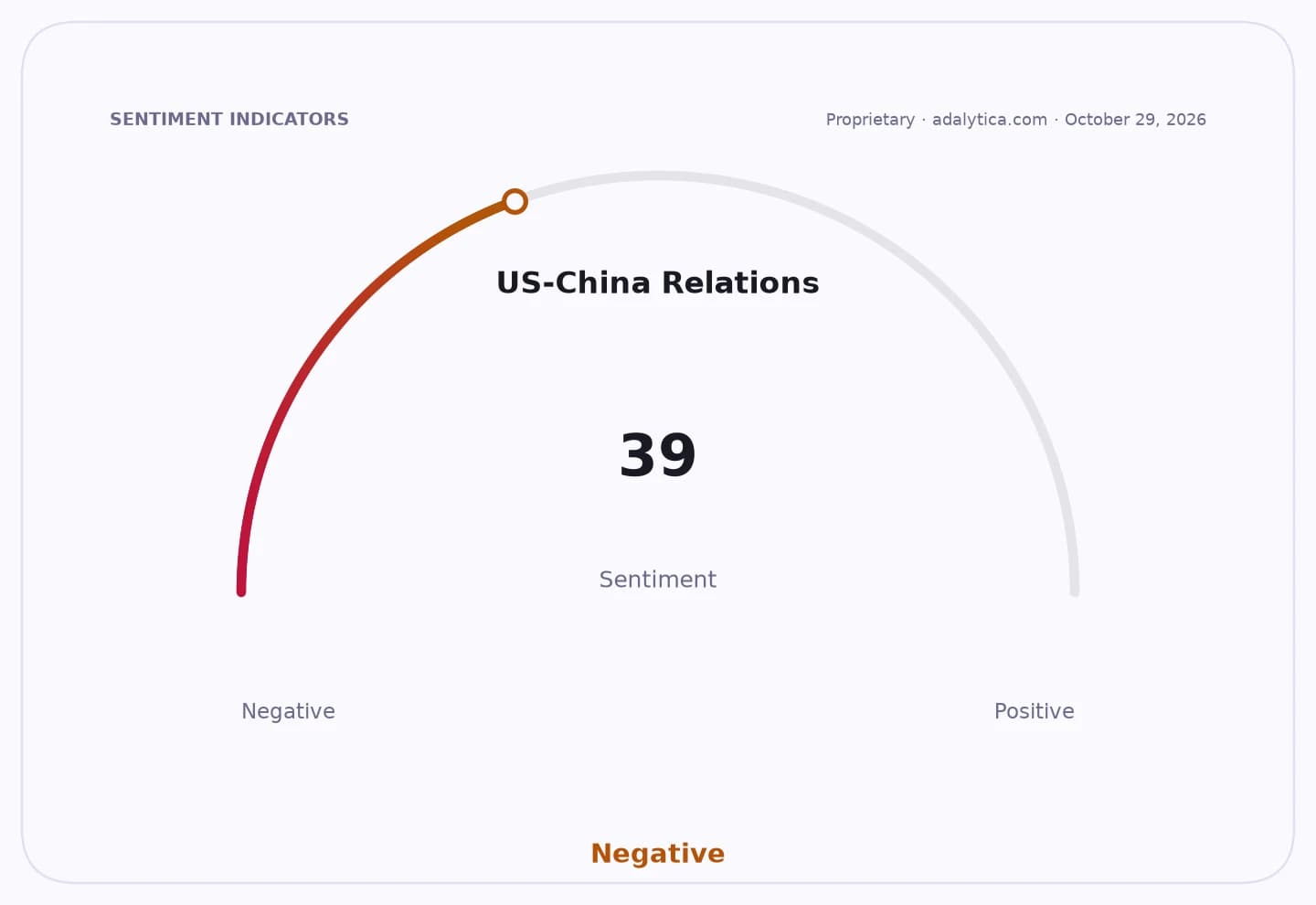
Sentiment Indicators
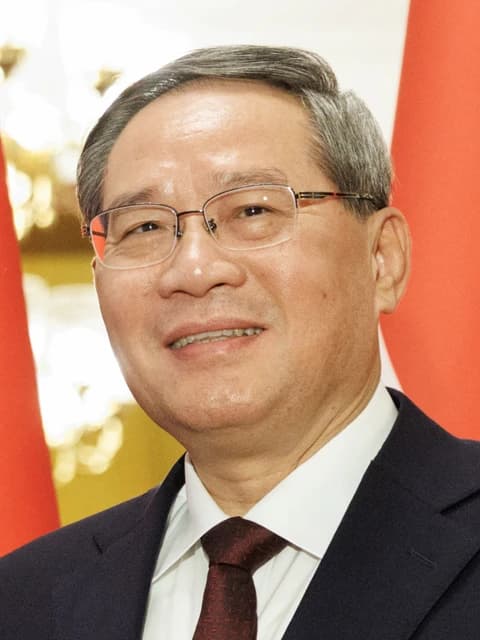
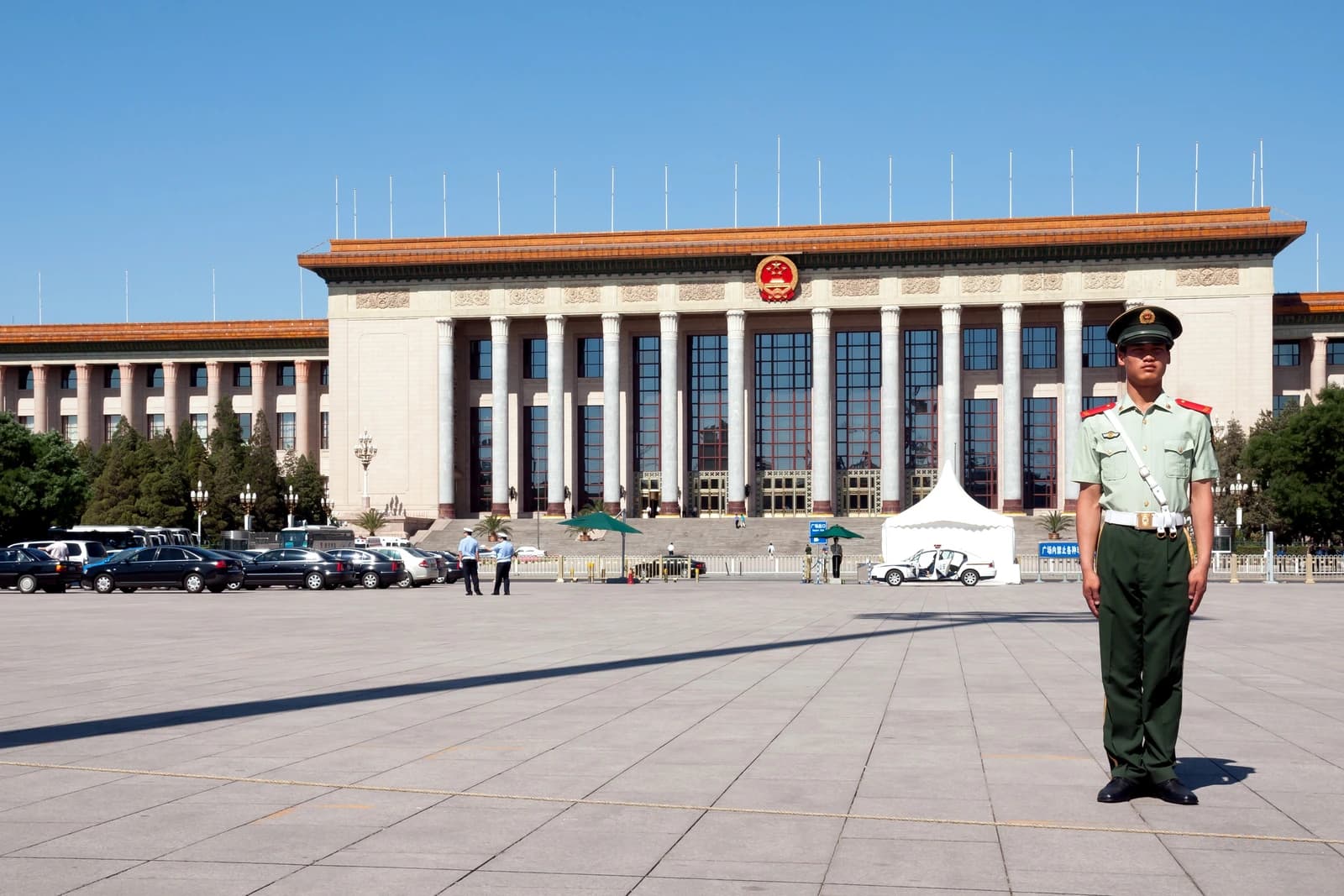
The timing is the key point for investors and policymakers. The fifth plenum, set for Oct. 26-29, is expected to focus on party governance and discipline, yet personnel moves like these often preview the leadership's priorities and the cadres it trusts to execute them. In China’s political system, provincial chiefs are not just administrators: they are the people who translate central directives into local spending, industrial policy, land sales, debt management and social stability.
That makes the reshuffle economically relevant. Hunan, Yunnan, Fujian, Qinghai, Jiangxi and Hebei sit across regions and industrial bases that matter for consumption, manufacturing, trade and fiscal policy implementation. Replacing provincial leaders can alter the pace of local infrastructure approvals, support for private firms, enforcement of environmental rules and handling of indebted local financing vehicles — all issues that affect growth momentum and market sentiment.
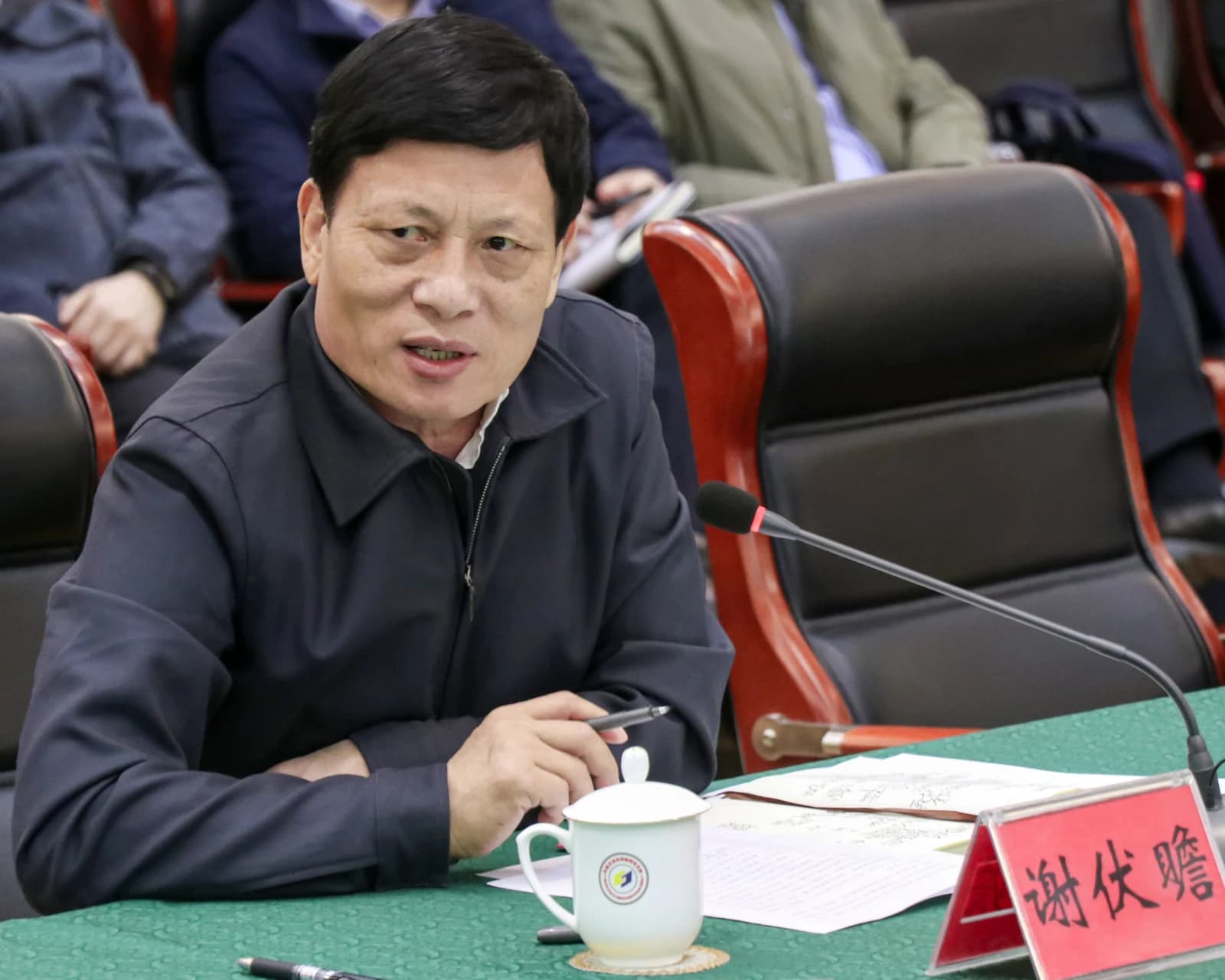
Wang Zhijun, a State Council vice secretary-general and Central Committee member, was named party secretary of Hunan, replacing Shen Xiaoming. Mo Gaoyi, a vice minister in the publicity department and director of the State Council Information Office, was named party secretary of Yunnan. Other appointments included Guo Ningning in Fujian, Zhuge Yujie in Qinghai, Chen Yongqi in Jiangxi and Zhao Chenxin in Hebei, with the party signaling they are set to move into governor roles.
The pattern suggests Beijing is elevating officials with central-government experience and administrative discipline rather than unveiling a policy shift in public view. That may reassure those looking for tighter coordination as growth slows, but it also reinforces the view that the leadership is prioritizing control and implementation over experimentation.
For investors, the immediate takeaway is limited direct market impact, but the reshuffle adds to the case that policy execution in China will remain highly centralized heading into the plenum. That matters for domestic stimulus transmission, corporate profitability and the trajectory of local government support for property, infrastructure and manufacturing. It also helps explain why Chinese equity proxies can react more to hints of policy continuity or tightening than to formal announcements alone.
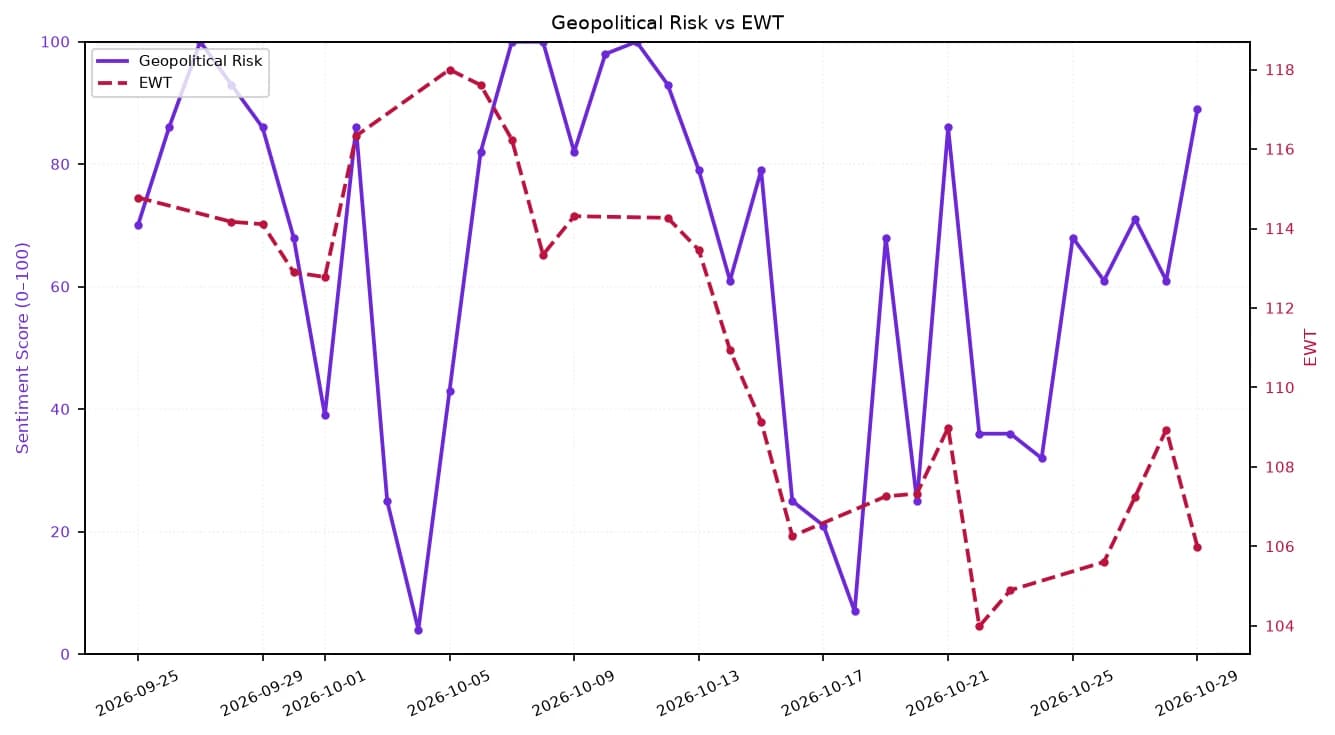
That backdrop has left China-related ETFs under pressure. The iShares China Large-Cap ETF, FXI, closed at 33.08 on Oct. 30, below its 50-day moving average of 34.19 and its 200-day moving average of 35.52, while the RSI reading of 35.1 points to a market still recovering from recent weakness. The iShares MSCI China ETF, MCHI, ended at 49.07, also below both its 50-day and 200-day averages, with RSI at 13.5, a sign of deep oversold conditions. The Direxion Daily FTSE China Bull 3X Shares, YINN, finished at 22.59, well under its 50-day and 200-day averages, underscoring how fragile sentiment remains around China exposure.
The bull case is that a leadership refresh before the plenum improves policy coherence and gives Beijing more capable operators to stabilize growth. The bear case is that the changes are mainly about discipline and control, not a stronger economic pivot, leaving investors still waiting for measures that lift demand, restore private-sector confidence and ease local fiscal strain.
For now, the reshuffle is best read as a signal of governance priorities rather than a market-moving policy turn. The next catalyst is the plenum itself: if the meeting produces clearer guidance on growth support, reform or local-government risk management, investors will have a better read on whether Beijing intends to do more than rotate personnel.
| Entity | Gains | Losses |
|---|---|---|
| Beijing leadership | ▲tighter control over policy execution | ▼flexibility in local experimentation |
| New provincial chiefs | ▲political promotion and influence | ▼immediate execution pressure |
| Local governments | ▲clearer central backing | ▼less autonomy |
| China equity investors | ▲potential policy coherence | ▼continued uncertainty until plenum details emerge |