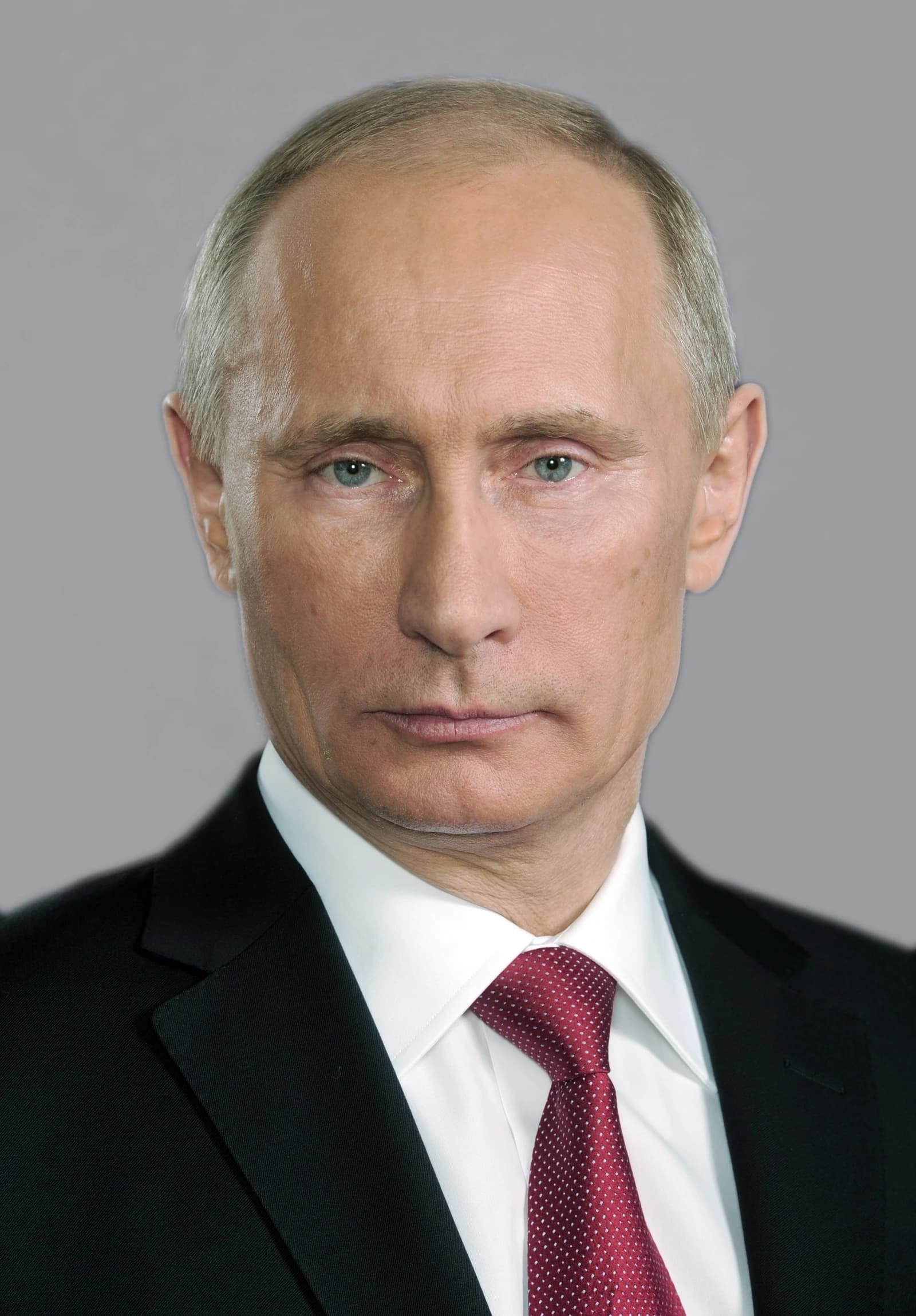
Tokyo’s protest over a Chinese-Russian naval flotilla staging a live-fire drill near southern Japan is a reminder that Beijing and Moscow are moving beyond symbolism and testing the security perimeter of U.S. allies in East Asia.
China-Russia Drill Lifts Defense Shares
The immediate significance is strategic, not tactical: the exercise signals a willingness by China and Russia to coordinate military pressure in waters that sit on a critical seam of regional trade, alliance credibility and naval deterrence. For Japan, any live-fire activity close to its territory forces a political response and reinforces the case for higher defense spending, tighter coordination with the United States and a more assertive maritime posture.
Sentiment IndicatorsⓘProprietary · adalytica.com · July 21, 2026
This is a snapshot — live sentiment, awareness and momentum for 130+ markets update continuously in the dashboard.Open AlphaPulse
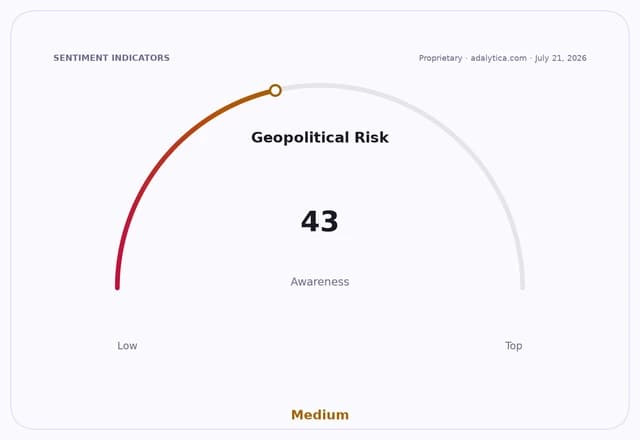
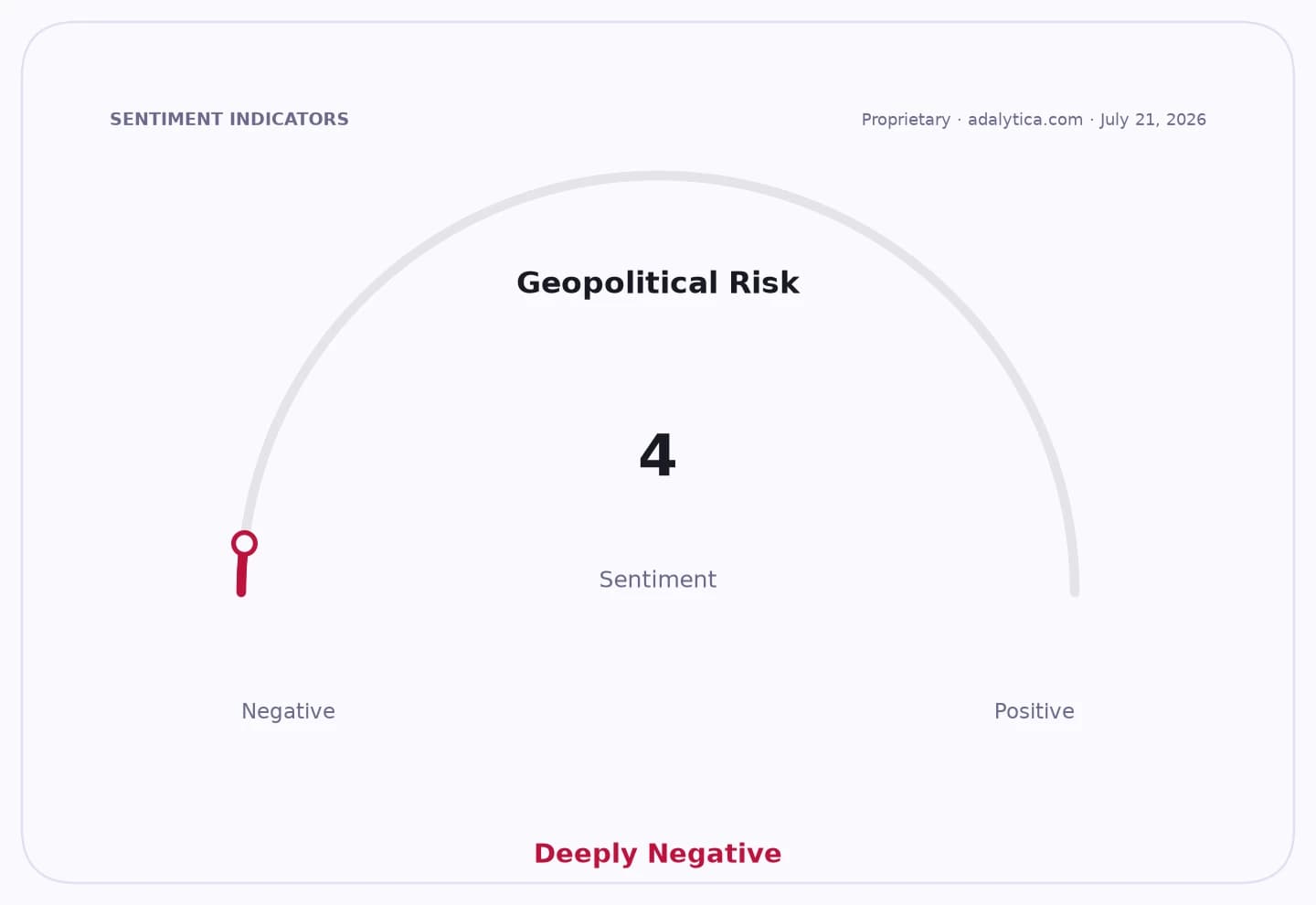
The drill also lands at a sensitive moment for the broader U.S.-China relationship. Adalytica’s US–China Relations Sentiment gauge has fallen to 21, labeled “Fear,” while its Global Stability Sentiment is at 4, “Extreme Fear,” suggesting investors are already pricing a more fragile geopolitical backdrop. That does not directly move earnings today, but it raises the probability of policy spillovers: more defense procurement, deeper alliance cooperation, and potentially harsher export controls or sanctions if tensions widen.
For the defense industry, the market implications are more nuanced. The geopolitical backdrop is supportive for contractors with exposure to Japan, the wider Indo-Pacific and missile-defense demand. Boeing, while not a pure-play defense story, remains relevant because any sustained rise in regional military spending can feed aerospace and defense procurement cycles. RTX and Lockheed Martin are more directly leveraged to the theme, with both benefiting from demand for air and missile defense, sensors and integrated combat systems. Their recent share-price resilience reflects that broader defense premium even as general markets have softened.
The risk for investors is that this kind of drill is not an isolated event but part of a pattern of signaling. China and Russia are showing they can operate jointly in areas that matter to U.S. allies, while Taiwan’s own recent mobility and infiltration-response exercises underline how seriously regional governments are treating the prospect of escalation. The result is a tighter security environment that can support defense budgets but also increase the odds of miscalculation, shipping disruption and headline-driven volatility across Asia-linked assets.
For now, the market is likely to treat the exercise as another warning shot rather than a direct catalyst. But if Beijing and Moscow continue to coordinate more visibly near Japan, Taiwan or the Philippine Sea, investors should expect more pressure on regional risk assets and more upside support for defense names tied to Indo-Pacific rearmament.
| Entity | Gains | Losses |
|---|---|---|
| Japan and U.S. allies | ▲stronger case for rearmament | ▼higher security risk |
| RTX and Lockheed Martin | ▲missile-defense demand | ▼limited upside if tensions ease |
| Boeing | ▲defense procurement tailwind | ▼civil aviation disruption risk |
| China and Russia | ▲strategic signaling | ▼deeper isolation and scrutiny |