China said its trade and economic ties with Russia and other countries do not concern third parties, rejecting a new US sanctions bill as an attempt to extend Washington’s reach beyond its borders.
China Rejects U.S. Russia Sanctions Bill
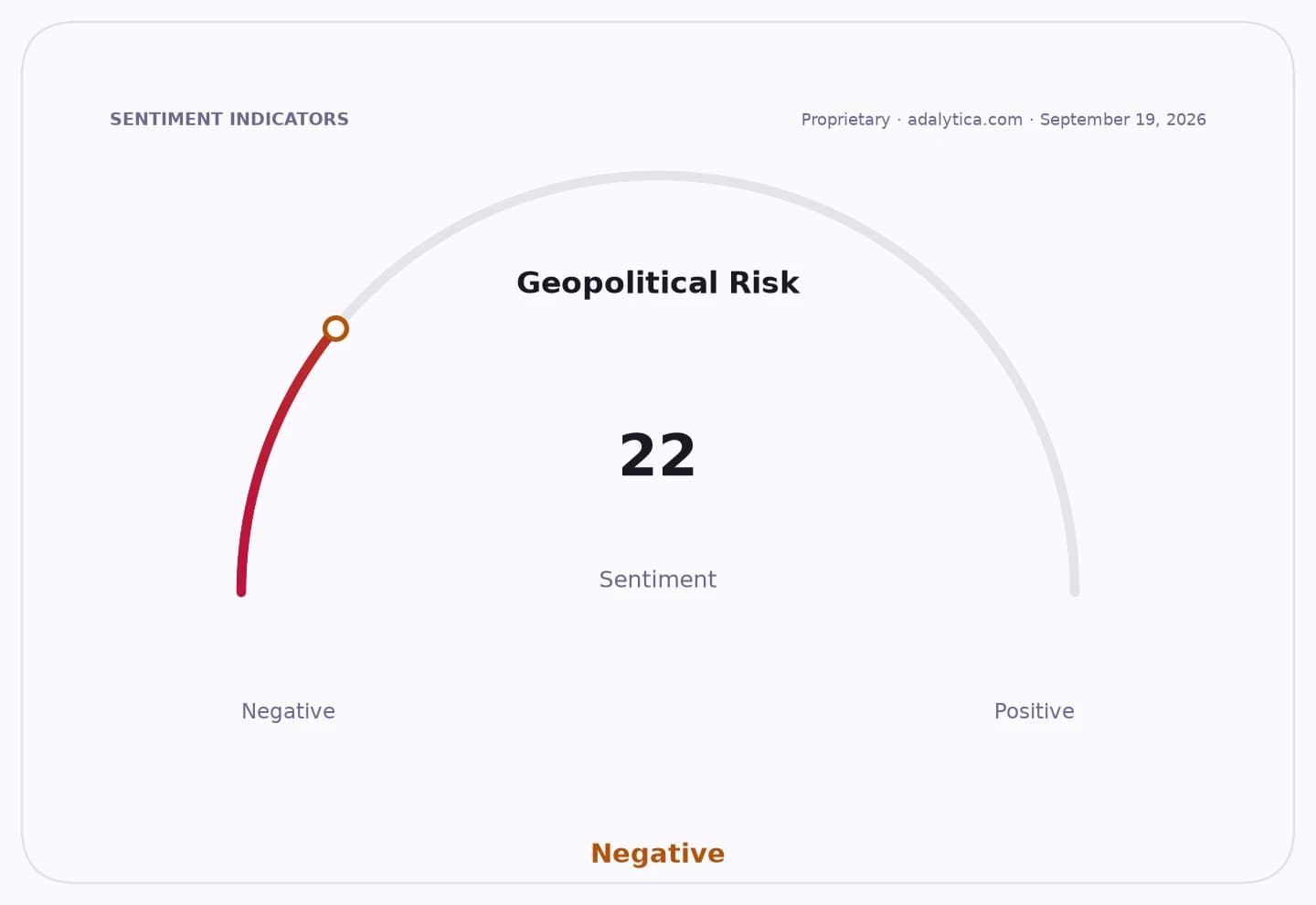
The response matters because it reinforces one of the main fault lines in the sanctions campaign on Moscow: any tighter US pressure on Russia is likely to meet resistance from Beijing, which remains a crucial economic partner for Russia and a key variable in how much pain sanctions ultimately inflict. If China continues to insist that bilateral commerce is outside the scope of US action, enforcement becomes harder and the risk rises that the sanctions regime simply pushes trade further into gray channels rather than cutting it off.
Sentiment IndicatorsⓘProprietary · adalytica.com · September 19, 2026
This is a snapshot — live sentiment, awareness and momentum for 130+ markets update continuously in the dashboard.Open AlphaPulse
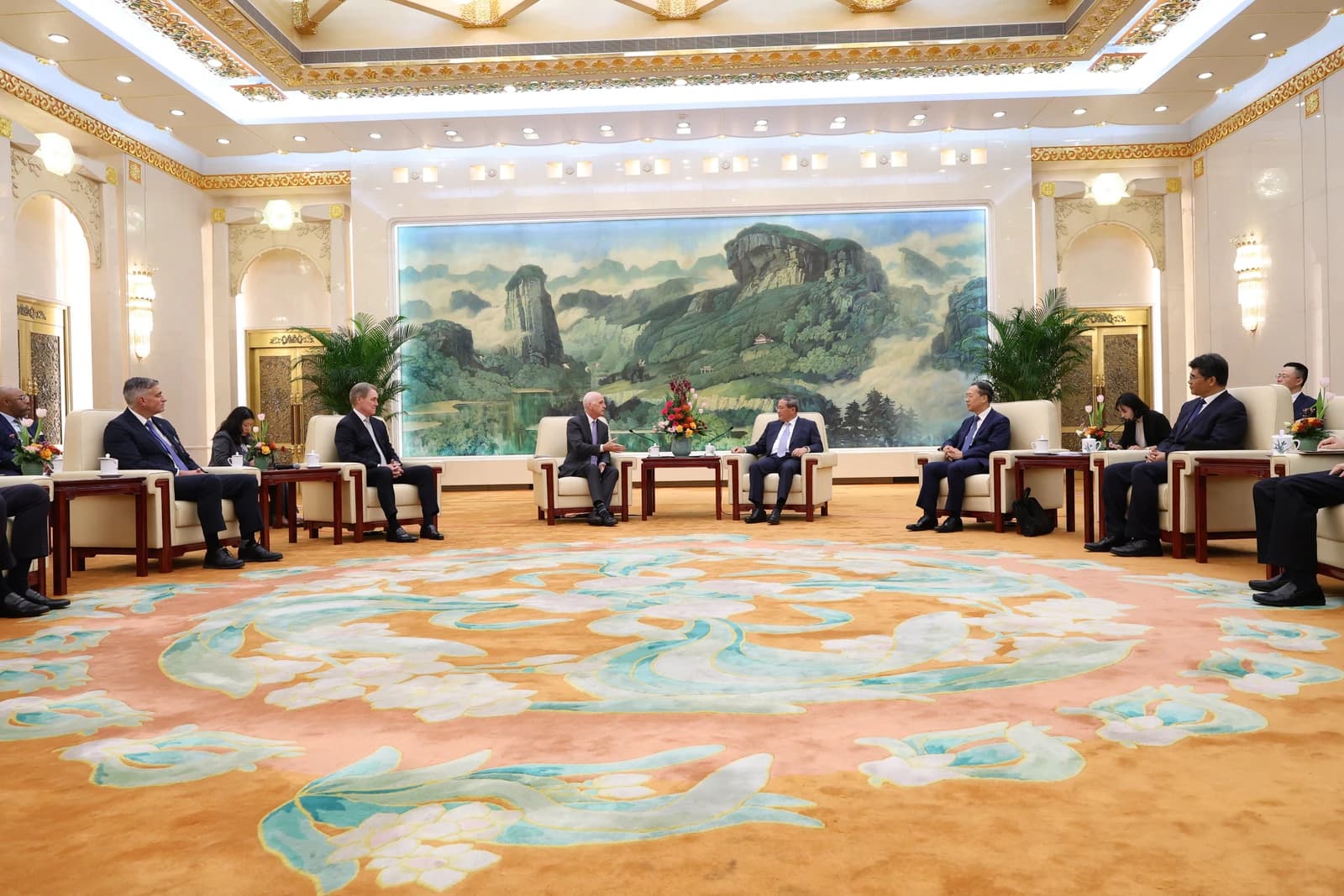
Foreign ministry spokesman Guo Jiakun said at a briefing that China conducts “normal trade-economic cooperation” with countries around the world on the basis of equality and mutual benefit, and that this cooperation is “not directed against third parties.” He added that Beijing does not accept “extraterritorial jurisdiction” that lacks international law basis or authorization from the UN Security Council.
The comments came after the US House of Representatives secured enough votes to approve a bill imposing new sanctions on Russia. The move adds to the pressure on Moscow as Washington looks to tighten the economic squeeze, but it also deepens the geopolitical split between the US and China over who gets to define the reach of sanctions in a globalized trading system.
For investors, the message is twofold. First, Russian commodity and trade flows may remain more resilient than headline sanctions suggest if Chinese buyers and intermediaries keep absorbing flows. That supports the view that secondary sanctions, more than primary sanctions, are the real market risk because they can ensnare banks, shippers and counterparties far beyond Russia itself. Second, the dispute underscores the broader policy premium in cross-border assets, from energy and industrial metals to currencies, because sanctions enforcement can quickly spill into financing, insurance and logistics.
Market reaction was modest in the broader US equity market, with the S&P 500 edging higher and holding well above its 50-day moving average, but geopolitical stress remains elevated. Adalytica’s Global Stability Sentiment gauge still reads “Fear,” while its China policy-direction indicator improved sharply on the day, suggesting investors are not pricing immediate escalation but remain alert to a more confrontational policy backdrop.
The near-term risk is that the bill becomes another point of friction in US-China relations at a time when both powers are already locked in disputes over trade, technology and strategic influence. For markets, the key question is not whether the sanctions bill passes, but whether Beijing’s refusal to accept extraterritorial enforcement encourages a wider standoff that makes Russia sanctions harder to police and more expensive for global trade.
| Entity | Gains | Losses |
|---|---|---|
| China | ▲Defends trade sovereignty | ▼Faces higher US pressure |
| US lawmakers | ▲Expand sanctions leverage | ▼Risk weaker enforcement |
| Russia | ▲Retains Chinese market access | ▼Faces tighter restrictions |
| Global banks/shippers | ▲Benefit from ambiguity | ▼Face compliance risk |