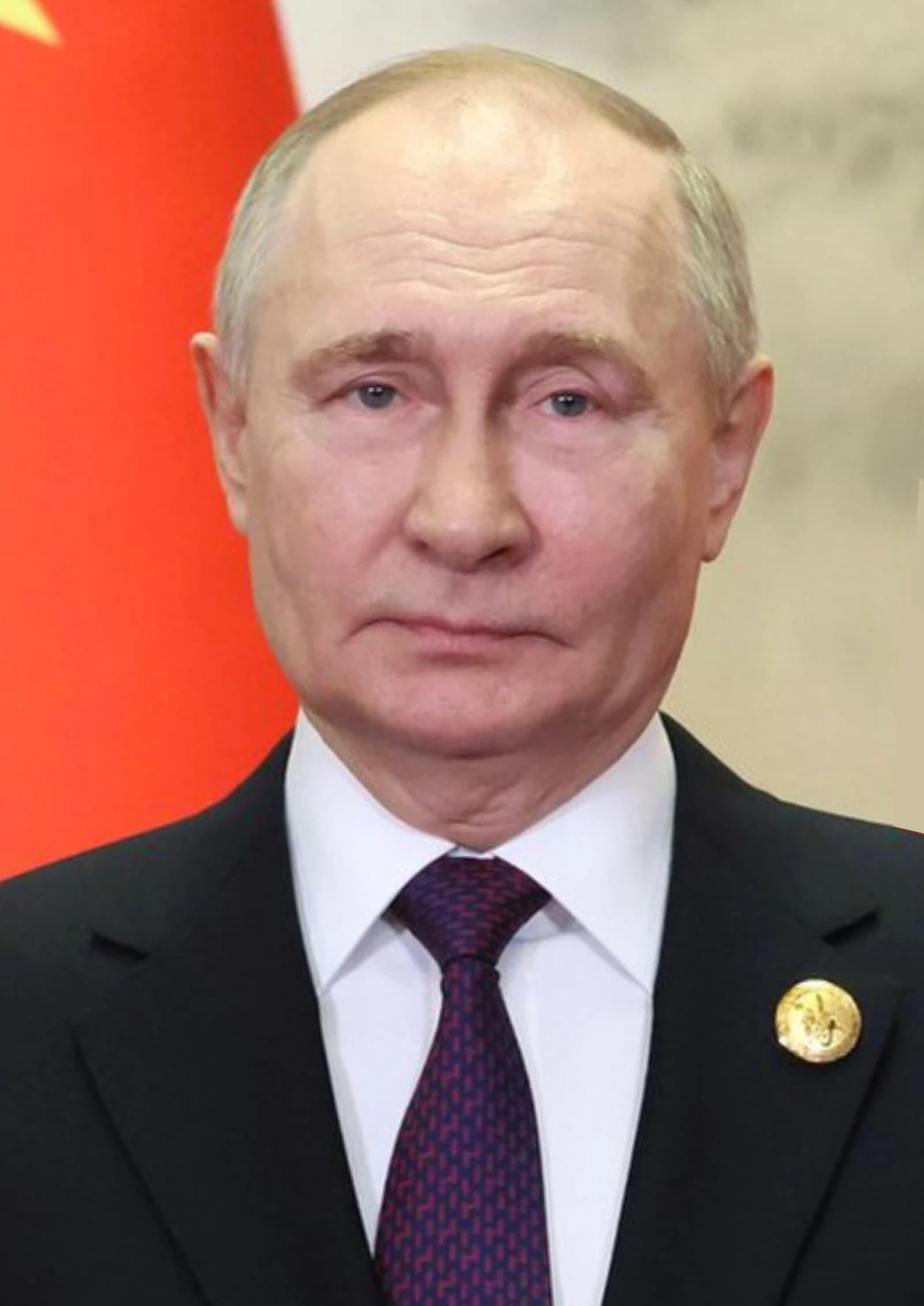
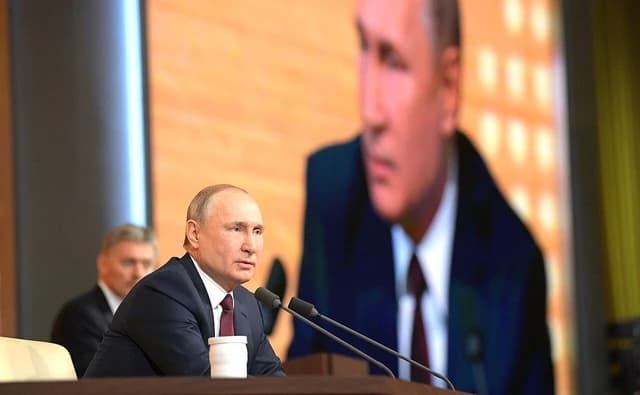
China’s quiet but crucial role in the Russia-Ukraine war is back in focus, and that matters far beyond the battlefield. When Vladimir Putin tells Xi Jinping that any peace talks held without Russia are “futile,” he is signaling that Moscow still wants to shape the endgame on its own terms — a stance that keeps sanctions, energy disruption and defense spending pressures alive for longer.
China-Russia Diplomacy Keeps Geopolitical Risk Elevated
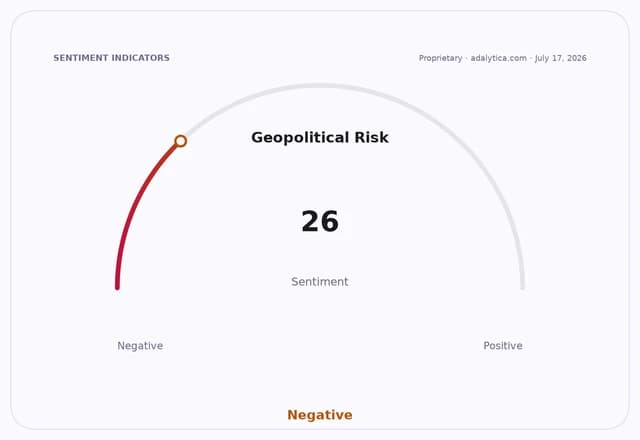
For investors, the significance is straightforward: the war’s economic aftershocks are not going away soon. A negotiated settlement that could ease sanctions, normalize trade flows and reduce geopolitical risk still looks distant. That keeps the premium on energy security, defense exposure and supply-chain diversification intact, while limiting hopes for a quick rebound in Russian assets or a sharp unwind in Europe’s war-related market risk.
The message also underscores how tightly linked the Kremlin’s strategic options remain to Beijing’s diplomatic backing and economic support. China may not be a formal belligerent, but it has become one of Russia’s most important commercial lifelines, helping to cushion the blow from Western restrictions. If Putin is leaning on Xi publicly, it suggests Moscow wants to ensure that any future peace framework preserves Russian leverage rather than forcing concessions under pressure.
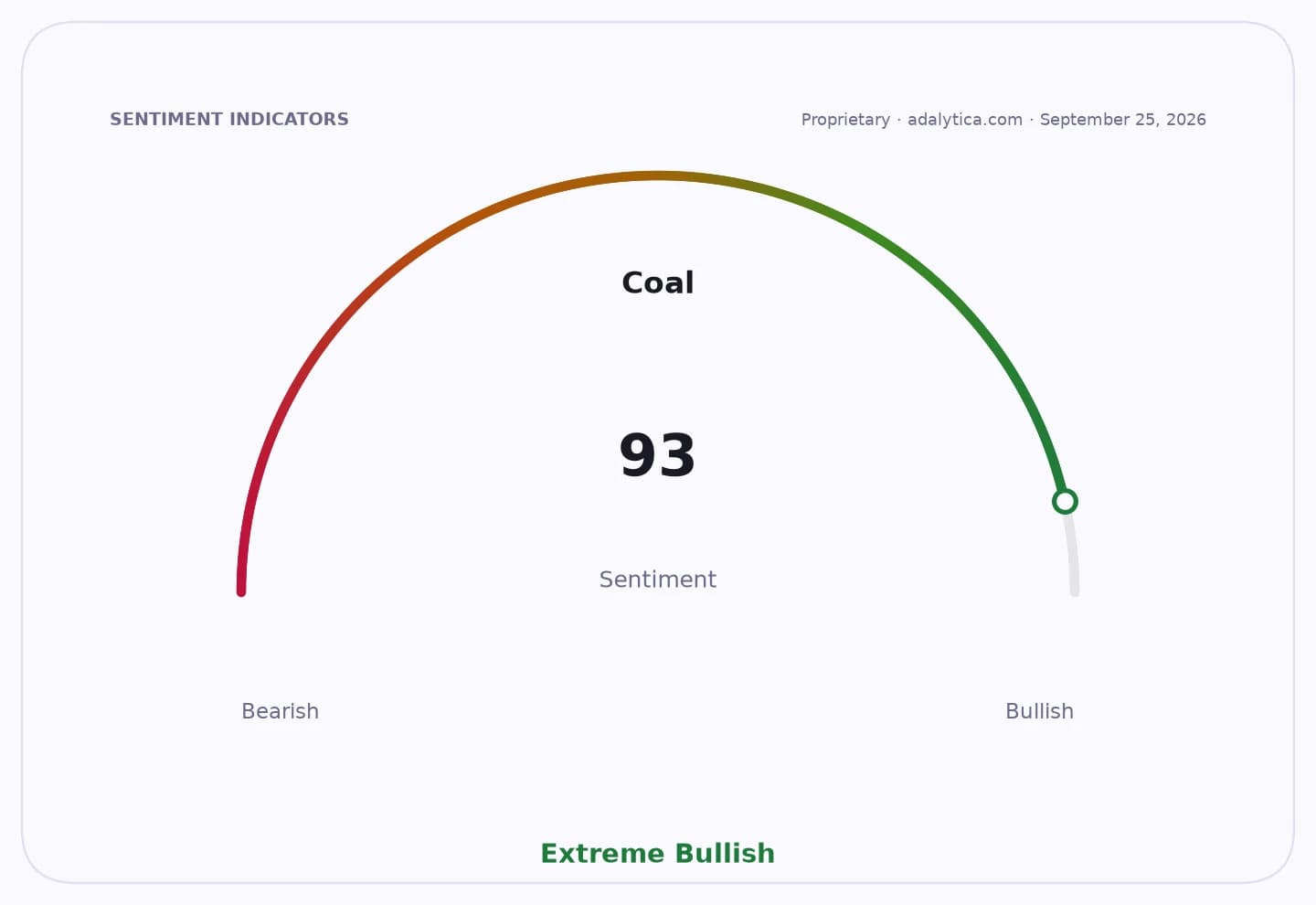
Markets are already reflecting that longer conflict narrative. The iShares China Large-Cap ETF, FXI, has been volatile but is still holding above its 50-day moving average after a sharp rebound from earlier weakness, a sign that investors are watching policy and geopolitical headlines closely rather than treating China as a clean macro play. Brent-linked exposure through BNO has also been highly sensitive to war-related swings, with crude prices jumping and then cooling as traders weighed supply risk, sanctions enforcement and the chances of eventual de-escalation.
Geopolitical Risk vs FXIadalytica.com
Explore this data interactively — full history, time series and cross-market comparisons.Open AlphaPulse
That matters because geopolitical risk is not just a headline for traders; it feeds into inflation, industrial margins and capital allocation for years. Higher energy uncertainty can support oil and tanker companies, defense contractors and some commodity producers, but it also complicates life for airlines, manufacturers and import-dependent businesses. For long-term investors, the bigger lesson is that conflicts of this scale tend to keep capital flowing toward resilience: diversified portfolios, pricing power, and companies tied to security, infrastructure and energy transition themes.
The most important thing to watch now is whether Moscow and Beijing use diplomacy to buy time, or whether this simply hardens a drawn-out standoff. Either way, the market should assume that peace remains a distant catalyst, not a near-term base case. Investors would do well to keep watching the names most exposed to sanctions, oil and global risk appetite — and hold broadly diversified positions for the long run.
| Entity | Gains | Losses |
|---|---|---|
| Russia | ▲diplomatic leverage | ▼pressure for concessions |
| China | ▲strategic influence | ▼pressure to choose sides |
| Energy producers | ▲elevated risk premium | ▼easing crude prices |
| Global importers | ▲eventual de-escalation | ▼higher costs, uncertainty |