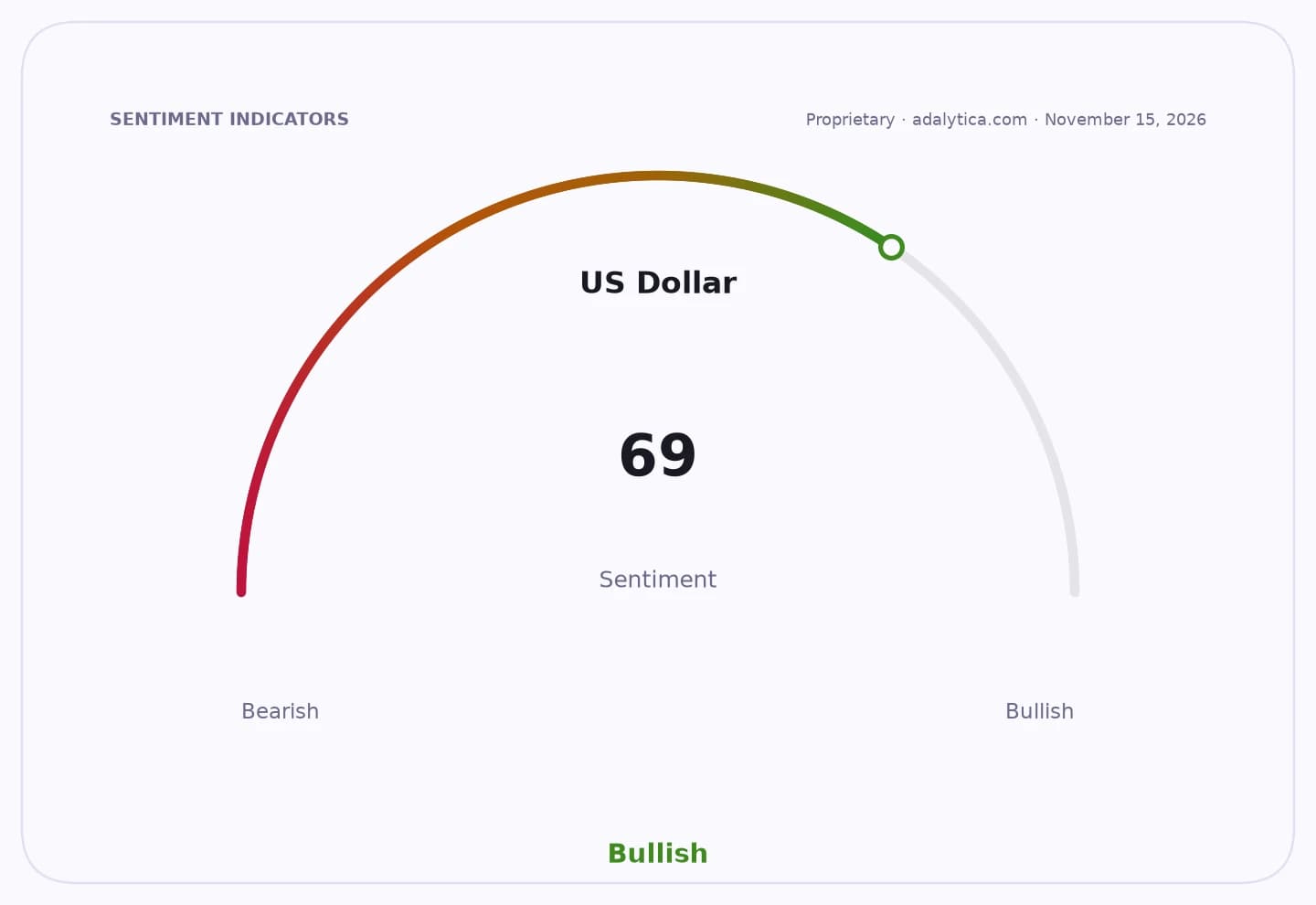
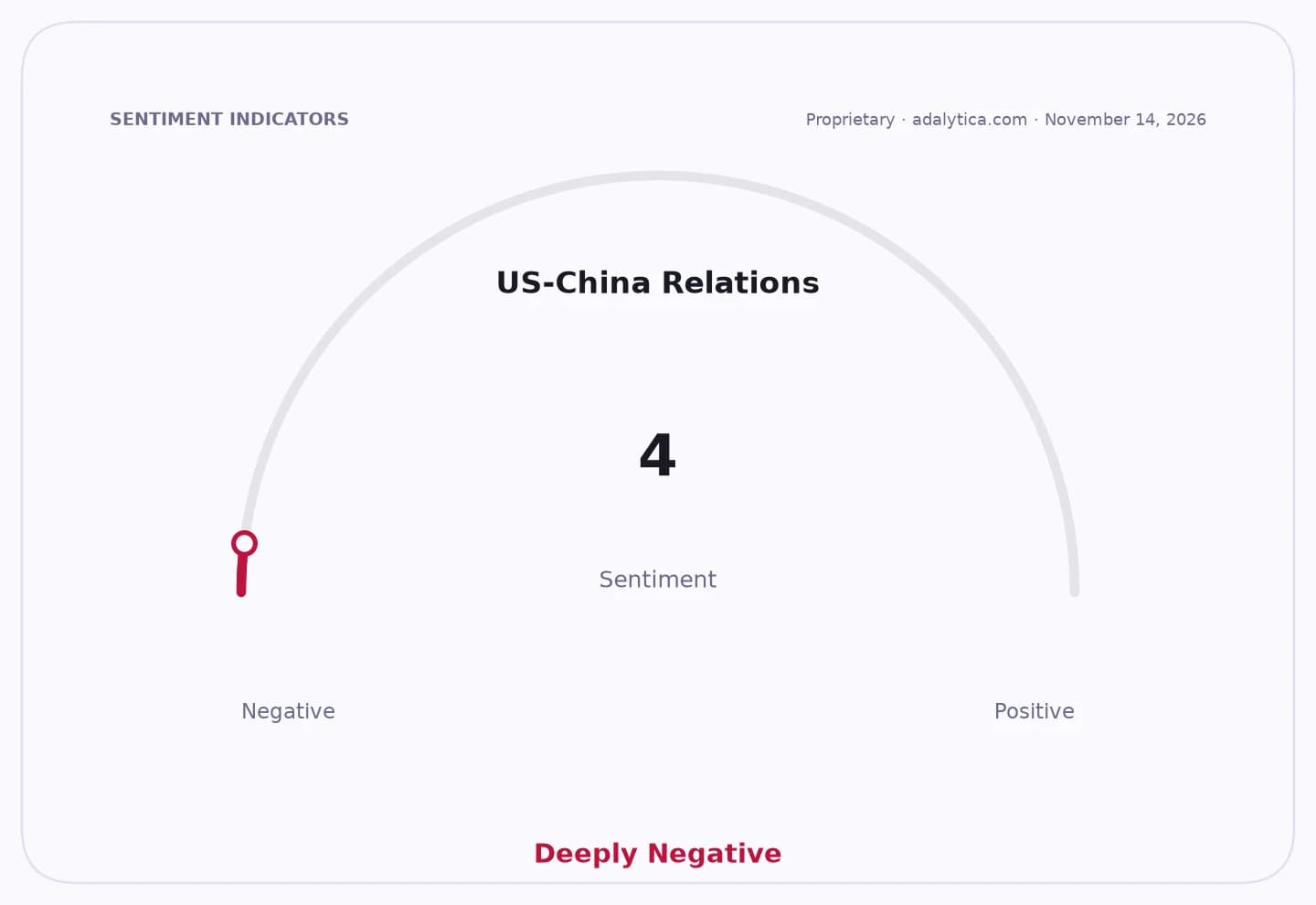
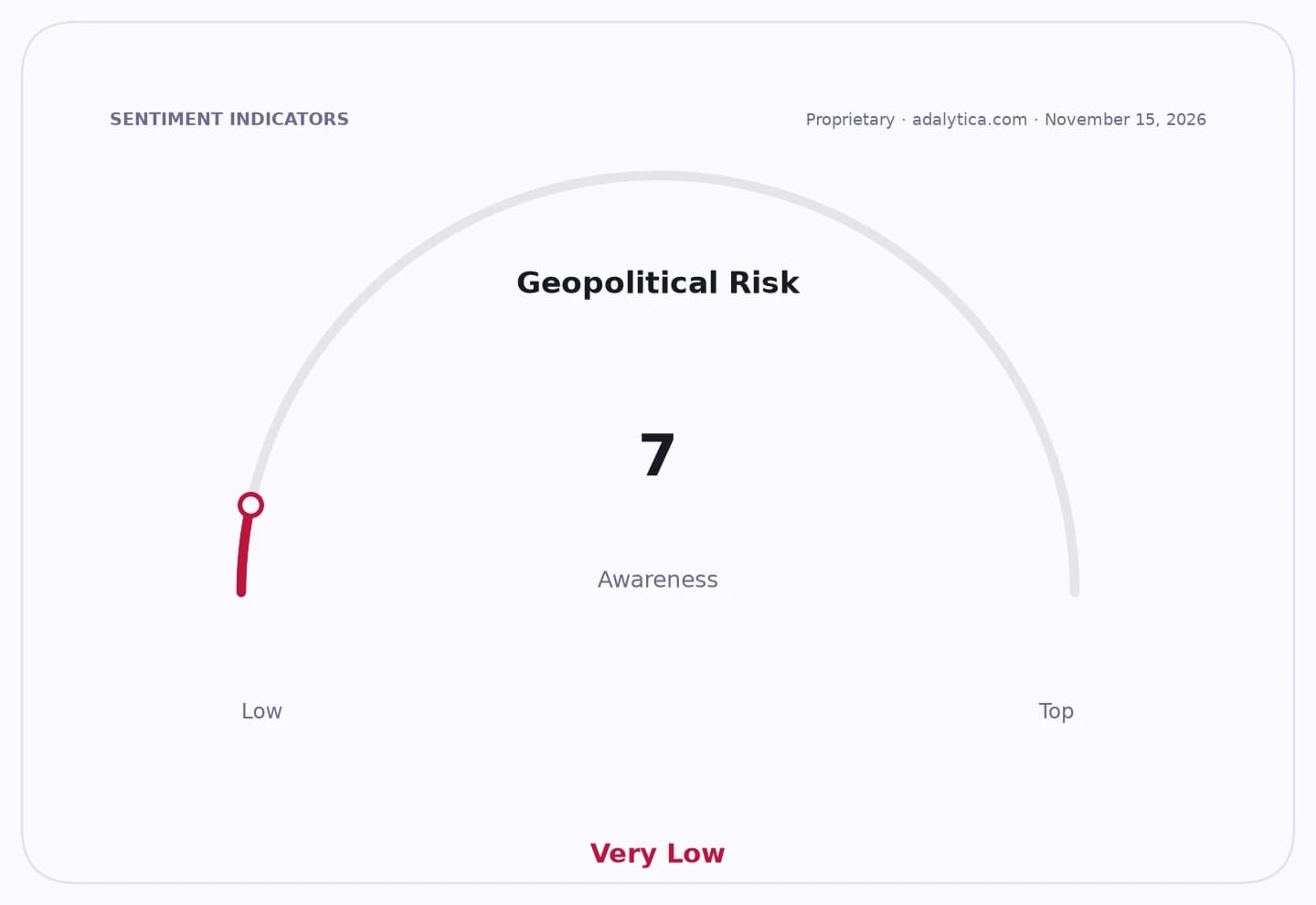
China is moving to price more shipping risk in yuan, a shift that could gradually erode the dollar’s dominance in maritime finance and give Beijing more control over trade flows and insurance costs at a time of heightened geopolitical friction.
China to price more shipping risk in yuan
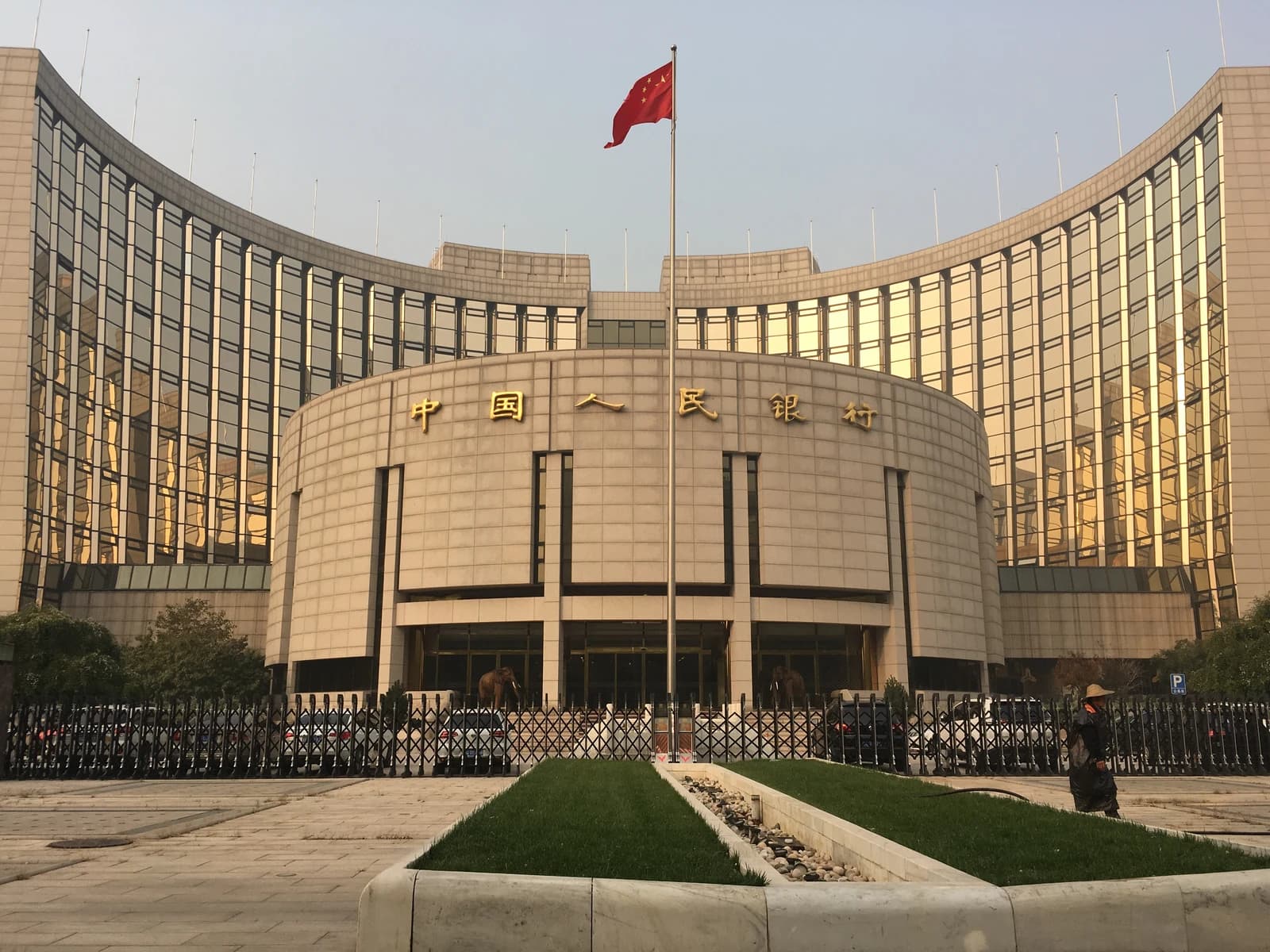
The plan, laid out in guidelines jointly issued by seven government agencies on Friday, is aimed at strengthening domestic underwriting and risk-pricing capabilities while expanding insurance protection for China’s key imports and exports. In practical terms, that means Beijing wants more of the financial plumbing behind shipping — insurance, claims, premiums and associated pricing benchmarks — to be settled in its own currency rather than routed through Western institutions.
Sentiment Indicators
The economic logic is straightforward. Shipping insurance is a critical link in global trade, especially when supply chains are strained by sanctions, conflict and route disruptions. By building a bigger yuan-based market for marine insurance and related risk pricing, China is trying to insulate exporters and importers from foreign currency and regulatory dependence, while deepening the offshore and onshore use of the yuan in a sector that is central to commerce.
For investors, the move matters less as an immediate market event than as part of a longer campaign to internationalize the yuan and reduce exposure to dollar-centric financial infrastructure. If successful, it could support demand for yuan settlement across logistics, freight, commodity imports and trade finance. That would be a structural positive for Chinese financial institutions and state-backed insurers, which may win more underwriting business, though it could also pressure Western insurers and brokers that have long dominated maritime risk pricing.
The timing is notable. China is pressing ahead as global shipping remains vulnerable to security shocks and regulatory intervention, while the United States has extended its suspension of foreign shipping privileges for another 90 days, underscoring how trade routes are increasingly shaped by policy rather than pure economics. In that environment, control over pricing and insurance becomes more than a financial issue: it is a leverage point in supply chains and a buffer against external pressure.
There are limits. Building credibility in marine insurance requires deep capital, trusted claims handling and internationally accepted legal standards, areas where Western markets still have the advantage. But Beijing does not need to displace London or New York overnight to make the policy meaningful. Even a partial shift toward yuan-denominated shipping risk pricing would widen the currency’s footprint in global trade and reduce one more channel of dependence on the West.
For markets, the question is whether this becomes a niche administrative push or a broader state-backed architecture for yuan trade finance. If Beijing commits the resources to make the system usable and liquid, shipping could become another corridor through which the yuan gains share at the expense of the dollar. If not, the guidelines may prove another sign of ambition that falls short of global adoption.
| Entity | Gains | Losses |
|---|---|---|
| China / yuan system | ▲Greater currency use in trade | ▼Dependence on Western finance |
| Chinese insurers / banks | ▲More underwriting business | ▼Limited near-term competition |
| Western insurers / brokers | ▲None | ▼Share in maritime risk pricing |
| Exporters / importers using yuan | ▲Lower currency exposure | ▼Less access to dollar-based market depth |