China’s economy is heading into a softer second half, and the risk for markets is that fiscal support may not be strong enough to offset the drag from weak private credit demand, a prolonged property slump and slowing exports.
China slowdown risks weigh on global cyclicals
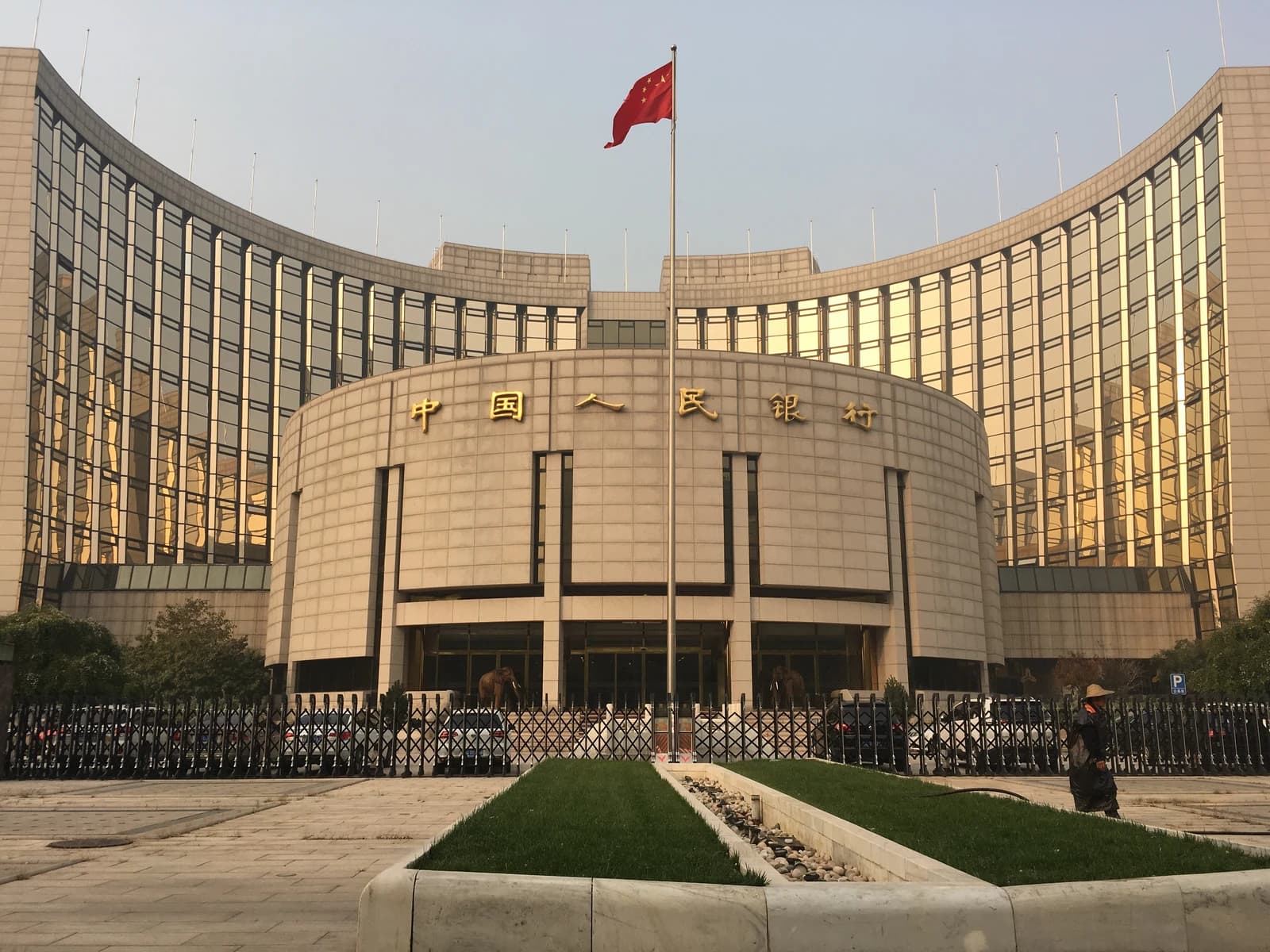
That matters because China remains the world’s second-largest economy and a key marginal driver of global trade, commodities and industrial profits. If momentum fades over the next six to nine months, the spillover is likely to show up first in Asian supply chains, commodity demand and the earnings outlook for companies exposed to Greater China.
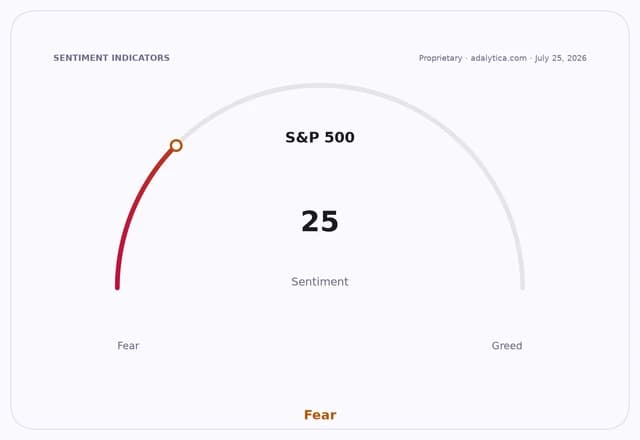
Sentiment IndicatorsⓘProprietary · adalytica.com · July 25, 2026
This is a snapshot — live sentiment, awareness and momentum for 130+ markets update continuously in the dashboard.Open AlphaPulse

BCA Research’s call is anchored in a familiar but stubborn set of pressures. Households and firms remain reluctant to borrow, a sign that confidence is still fragile even after multiple rounds of policy easing. The real estate sector, which once accounted for a large share of growth and local-government financing, remains depressed and continues to weigh on construction, land sales and household wealth. Exports, meanwhile, have been one of China’s cleaner growth channels, but that lift is fading as global demand normalises and trade tensions keep buyers cautious.
The one offset is fiscal spending, which is accelerating. But BCA’s warning is that public outlays are more likely to cushion the slowdown than reverse it. That distinction matters economically: when government spending carries the burden while private demand stays weak, growth can remain positive without regaining the broad-based momentum needed to sustain factory activity, hiring and capital spending.
Investor positioning already reflects some of that caution. The iShares China Large-Cap ETF, FXI, has slipped to $34.58 from a recent peak above $40 and remains below its 200-day moving average, a sign that long-term trend support is still under pressure even after a short-term rebound. The iShares MSCI China ETF, MCHI, is also trading below its 200-day average. Those levels do not predict the macro outcome, but they show that global equity investors have not been willing to reprice China as a durable growth recovery story.
The broad market backdrop is not especially helpful either. Adalytica’s S&P 500 trade signals currently show “fear” and “extreme fear,” while the U.S. dollar signal remains in fear territory. That combination suggests investors are still sensitive to growth disappointments and policy uncertainty, conditions that typically punish cyclical exposure to China more than defensive balance sheets elsewhere.
For exporters into China, the slowdown would be felt unevenly. Consumer-facing multinationals and industrial names with heavy Greater China exposure may face weaker order growth, tighter pricing power and slower inventory turns. Nike’s latest filing showed Greater China revenues fell 13% in fiscal 2026 on a currency-neutral basis, a reminder that weakness in Chinese demand can persist well beyond the headline GDP rate. Commodity producers and capital goods makers could also see softer Chinese buying if fiscal stimulus fails to translate into a stronger private-sector rebound.
There is a counterargument. Beijing has shown it is willing to lean more heavily on industrial policy, infrastructure and technology. News flow around AI-led industrial upgrading and export support points to a growth model increasingly reliant on high-value manufacturing rather than property and debt-fuelled expansion. That can help China preserve headline growth and support select sectors, particularly equipment makers and technology-linked exporters.
But the bear case remains more compelling for the next few quarters. If credit creation stays weak, property remains a drag and external demand cools, fiscal spending alone may deliver only a slower slowdown, not a genuine reacceleration. For investors, that points to continued caution on broad China beta, selective interest in policy-backed industrial winners and a need to watch whether Beijing moves from support to a more forceful demand revival.
| Entity | Gains | Losses |
|---|---|---|
| Beijing fiscal policymakers | ▲Short-term growth support | ▼Rising pressure to do more |
| China industrial exporters | ▲Policy-backed demand | ▼Weak domestic credit |
| Global commodity suppliers | ▲Infrastructure spending | ▼Slower Chinese consumption |
| FXI/MCHI bulls | ▲Stimulus hopes | ▼Property and export drag |




