A war between China and Taiwan would hit Southeast Asia through trade, investment and a likely US military response, a former senior Malaysian diplomat warned, underscoring how the region’s economies are exposed to a conflict they are largely unable to shape.
China-Taiwan War Risk Hits Southeast Asia Outlook

Kishore Mahbubani, a former president of the UN Security Council, said Southeast Asian governments were wrong to assume a cross-strait war would remain a distant geopolitical problem. He argued that US involvement would be highly likely if fighting broke out, raising the odds of a broader confrontation and a sharp deterioration in global growth.
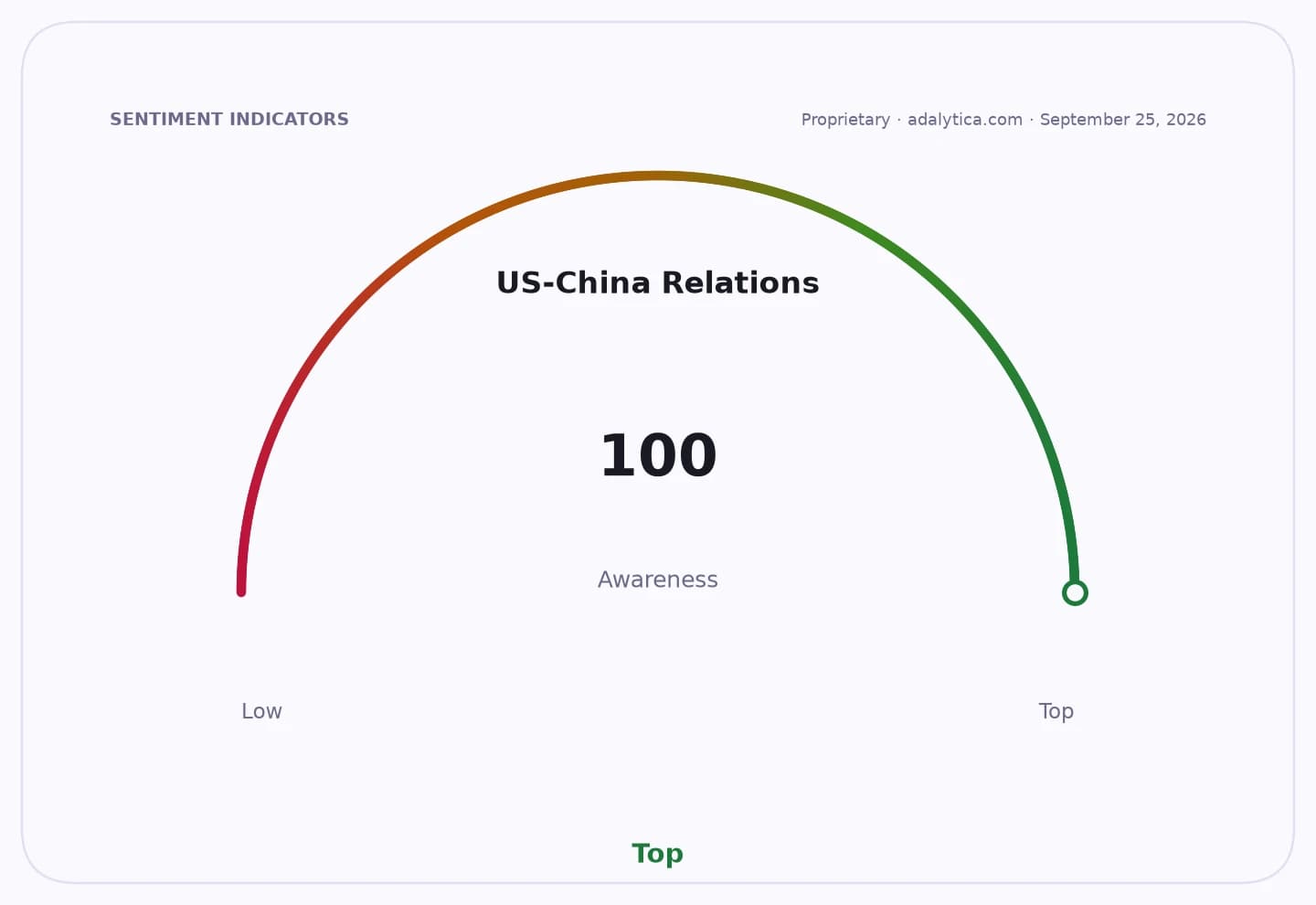
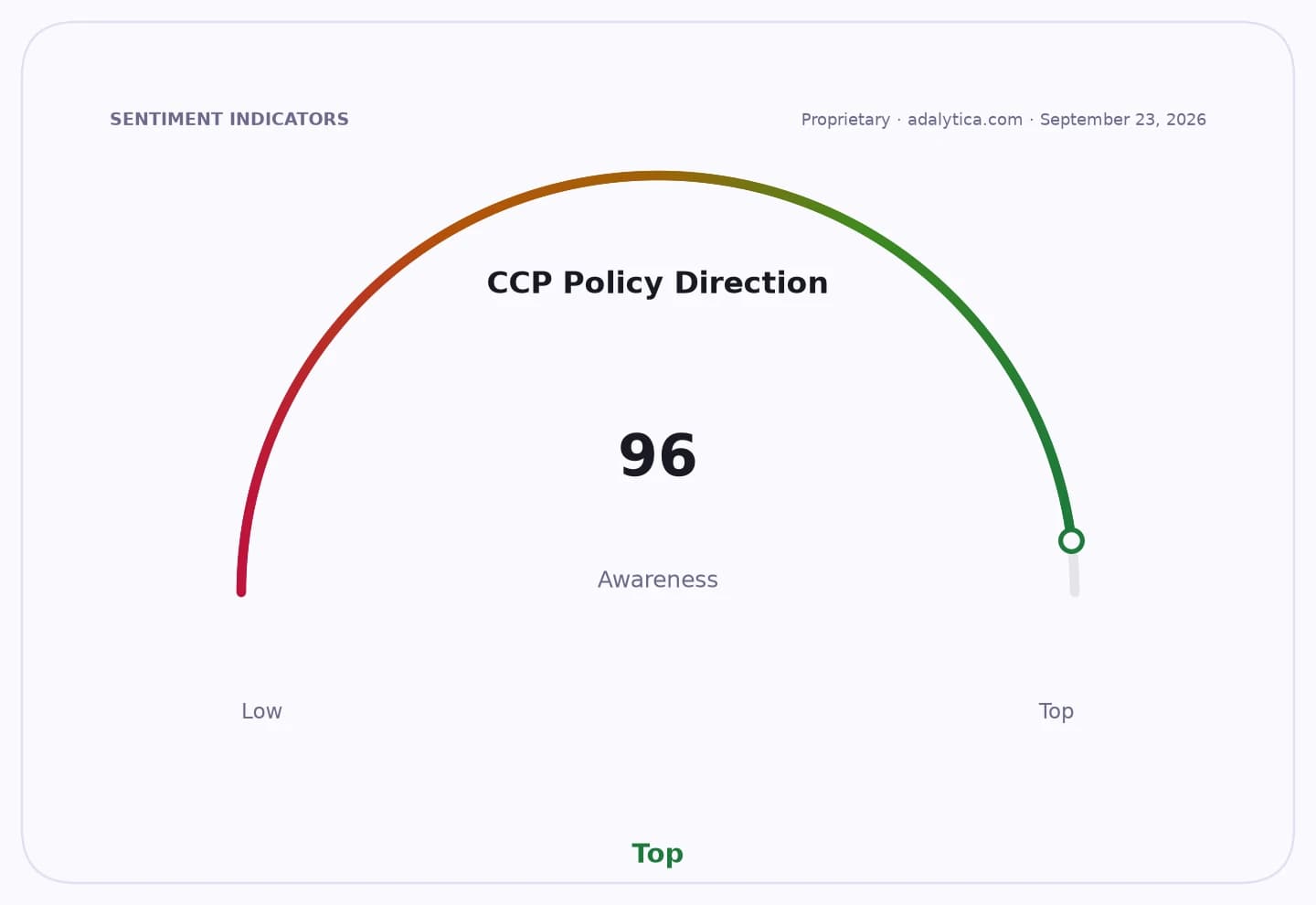
Sentiment IndicatorsⓘProprietary · adalytica.com · September 5, 2026
This is a snapshot — live sentiment, awareness and momentum for 130+ markets update continuously in the dashboard.Open AlphaPulse

That matters economically because Southeast Asia is tied into the China-led manufacturing supply chain as well as US-centered financial and trade flows. A war in the Taiwan Strait would likely disrupt shipping, hit corporate confidence, and weaken demand for exports, while also rattling regional currencies and risk assets. Mahbubani said the fallout would extend well beyond Asia, with the global economy taking a hit.
The warning lands at a sensitive moment for Malaysia, which has been trying to balance close economic ties with China against the need to reassure investors from Taiwan and other markets. Prime Minister Anwar Ibrahim recently repeated Malaysia’s one-China policy, prompting criticism from Taipei, which said his comments could undermine confidence among Taiwanese businesses operating in Malaysia.
Geopolitical Risk — 30-day sentimentadalytica.com
Explore this data interactively — full history, time series and cross-market comparisons.Open AlphaPulse

For investors, the message is less about an immediate market shock than about tail risk. Taiwan is central to the semiconductor supply chain, and any conflict would reverberate through technology, industrial and consumer sectors worldwide. Risk-sensitive Asian assets would likely come under pressure, while havens such as the dollar, US Treasuries and gold would probably benefit. Exchange-traded funds tracking Chinese and Taiwanese equities, including FXI, EWT and EWY, have already shown how quickly regional sentiment can swing around geopolitical stress.
Technical gauges on those funds point to a market that is not currently pricing outright panic. FXI and EWT are trading above their 50-day moving averages, while EWY has rebounded strongly from its summer lows. But Adalytica’s Global Stability Sentiment remains neutral and its US-China Relations Sentiment sits at extreme greed, a combination that suggests complacency can coexist with elevated geopolitical risk.
Mahbubani also pointed to the danger of miscalculation. He said Taiwan independence would be the kind of move that could trigger war, while arguing that diplomatic arrangements could still preserve Taiwanese autonomy without forcing a military outcome. That leaves the central investment question unchanged: whether policymakers can keep the status quo intact long enough to avoid a shock that would damage regional trade, capital flows and corporate earnings across Asia.
| Entity | Gains | Losses |
|---|---|---|
| China hawks | ▲Risk premium rises | ▼Stability case weakens |
| Southeast Asian exporters | ▲None in conflict scenario | ▼Trade flows and demand |
| US defense assets | ▲Higher strategic relevance | ▼None economically |
| Taiwan and regional equities | ▲Safe if tensions ease | ▼Selloff if conflict risk rises |