China’s $65,000 donation to Timor-Leste is small in dollar terms but significant as another signal of Beijing’s effort to build political leverage in one of Southeast Asia’s most strategically exposed states.
China Gives $65,000 Aid Package to Timor-Leste
The money will fund scholarships for Timorese students, while donated items including blankets, footballs and towels will be distributed to vulnerable communities, especially in colder areas of the country. The package also follows Chinese support for work at the presidential palace, including a renovated pool and a planned new garden, underscoring how Beijing is pairing modest aid with highly visible gestures of goodwill.
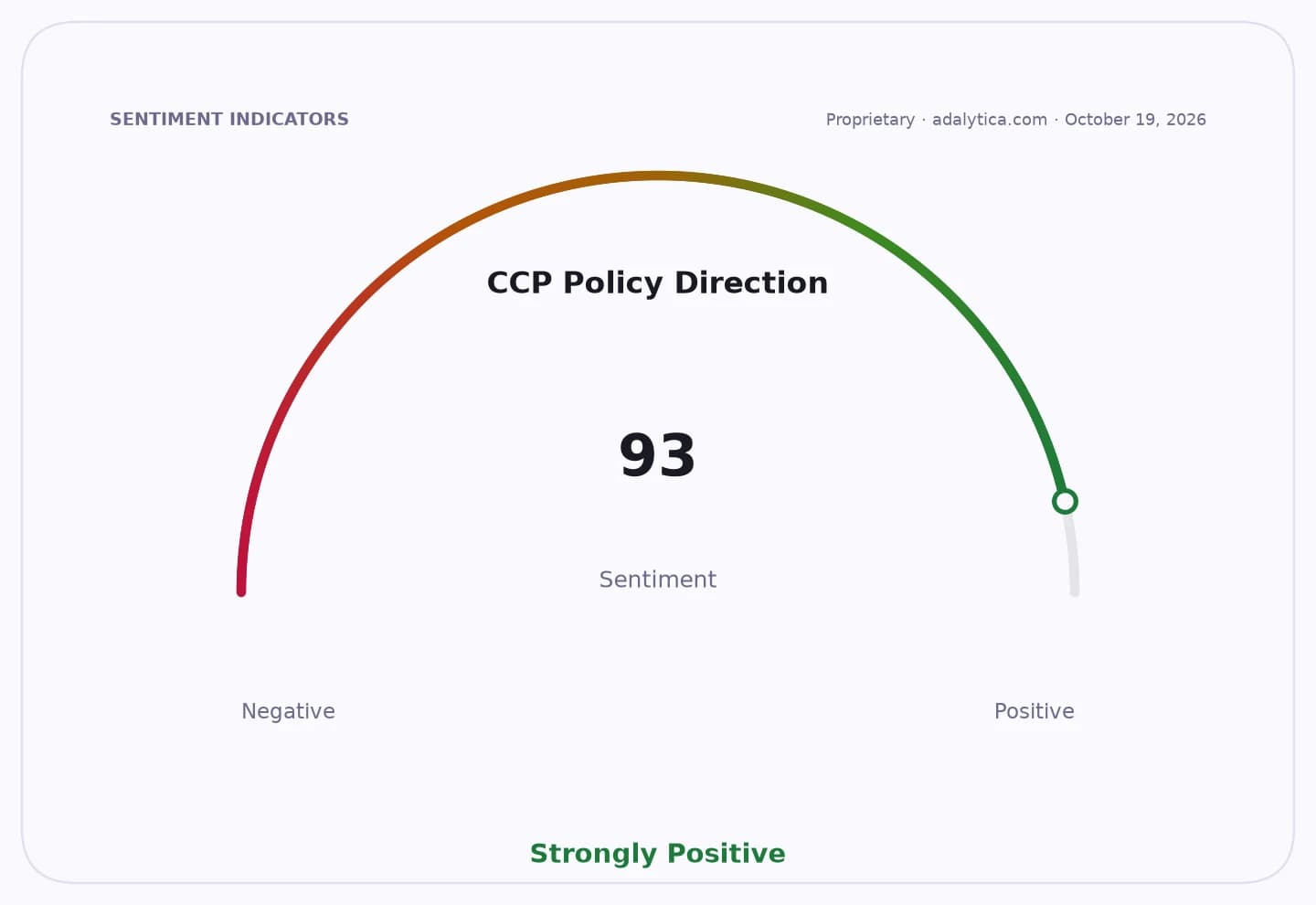
Sentiment IndicatorsⓘProprietary · adalytica.com · October 19, 2026
This is a snapshot — live sentiment, awareness and momentum for 130+ markets update continuously in the dashboard.Open AlphaPulse
For Timor-Leste, the assistance helps fill gaps in a country with limited fiscal room and persistent development needs. Aid directed to education carries outsized political value because it reaches households directly and strengthens the state’s human-capital base. For China, the return is diplomatic rather than financial: small grants can buy access, visibility and influence in a region where Western powers, Australia and increasingly other Asian states are competing for relationships.
The timing matters as Beijing continues to broaden its footprint across the South Pacific and the wider Indo-Pacific through infrastructure, grants and symbolic support. Such moves are rarely about the amount transferred and more about cumulative presence. In Timor-Leste, where domestic politics and external alignment remain sensitive, Chinese assistance can help shape perceptions of Beijing as a long-term partner.
Investors are unlikely to read the donation as a market-moving event on its own, but it fits a broader pattern of state-backed diplomacy that can affect regional risk premia over time. Chinese soft power efforts, especially in smaller economies, often accompany commercial ties, port access, construction contracts and future resource negotiations. That matters for companies and sovereign lenders assessing political influence in the region.
The main risk for Beijing is that highly visible aid can be viewed as patronage rather than partnership, particularly if it becomes tied to political expectations. But for now the message is straightforward: China is using low-cost, high-visibility assistance to deepen its relationship with Timor-Leste and extend its strategic reach.
| Entity | Gains | Losses |
|---|---|---|
| China | ▲diplomatic leverage | ▼limited fiscal cost |
| Timor-Leste government | ▲education funding | ▼dependence risk |
| Timorese students | ▲scholarship support | ▼none immediate |
| Rival powers | ▲none | ▼influence in Dili |