China’s latest assertion that the Xisha Qundao are “an inherent part” of its territory sharpens a long-running sovereignty dispute at a time when Beijing is accelerating its physical and military footprint across the South China Sea.
China Xisha Qundao Dispute Raises South China Sea Risk

The immediate economic significance is not the diplomatic exchange itself, but the risk that territorial claims harden into a more unstable operating environment for shipping, defense planning and regional investment. The South China Sea carries a large share of Asia’s trade, and any escalation involving China and Vietnam adds another layer of uncertainty for supply chains, offshore energy activity and the broader risk premium attached to Chinese and Southeast Asian assets.
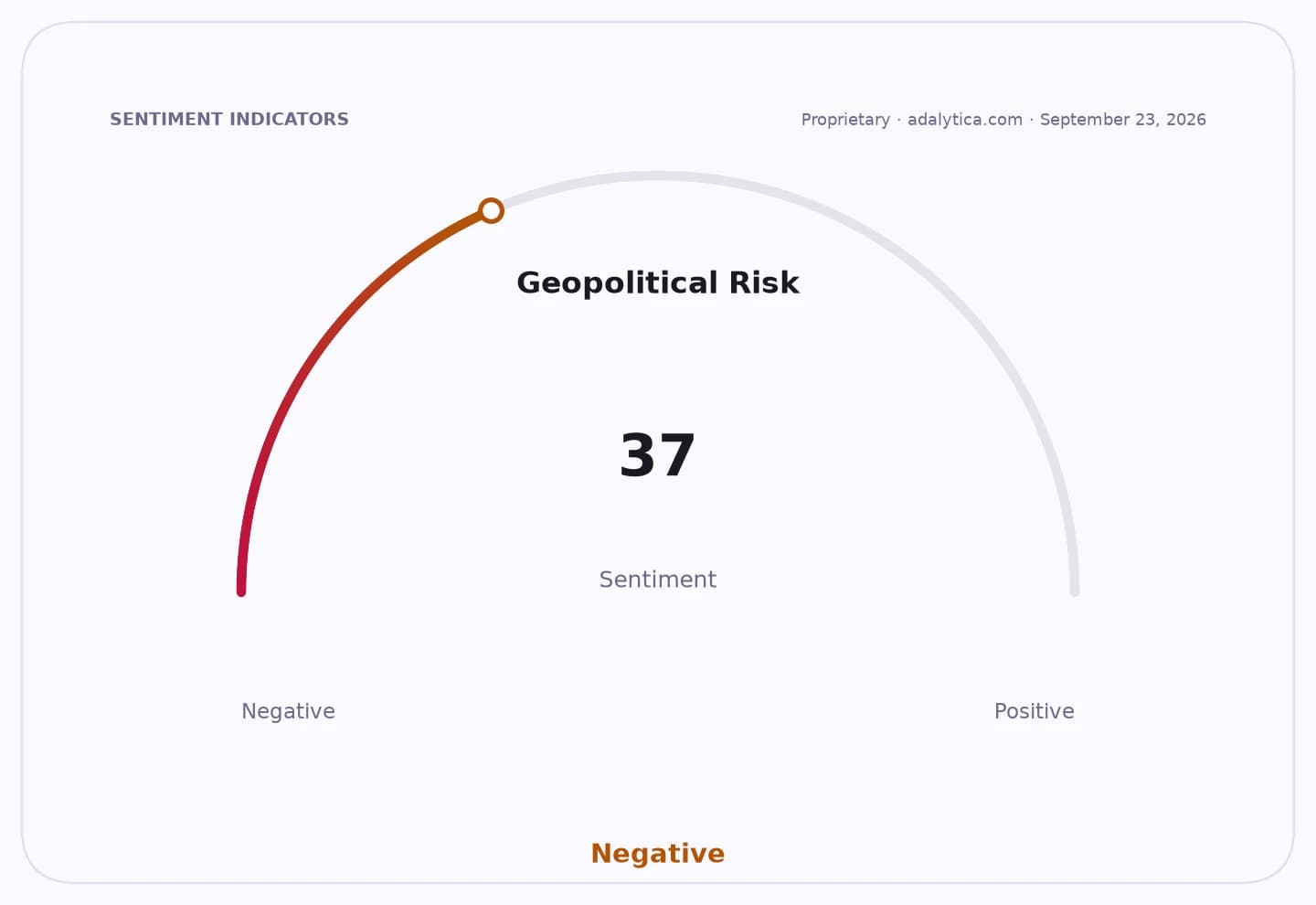
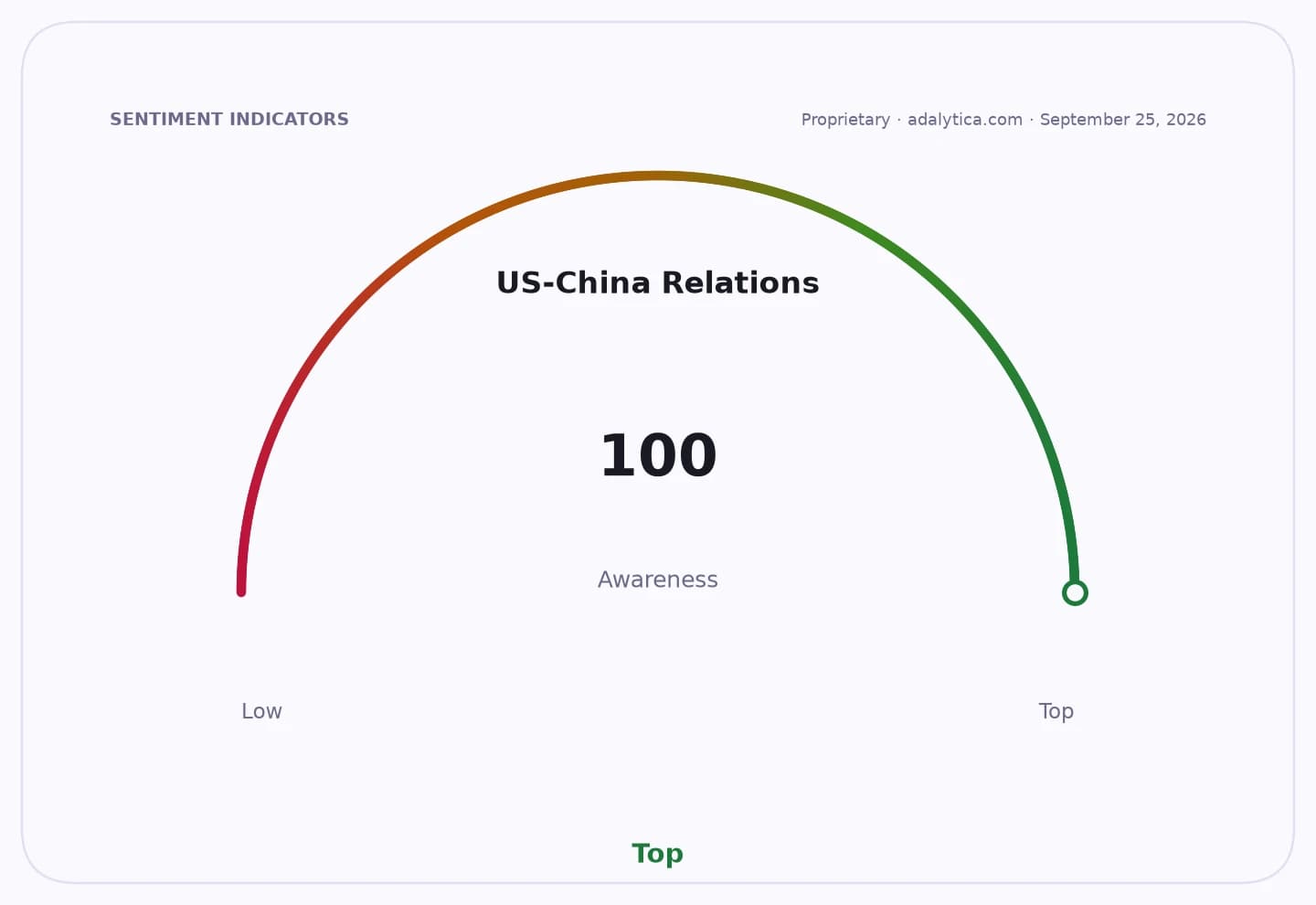
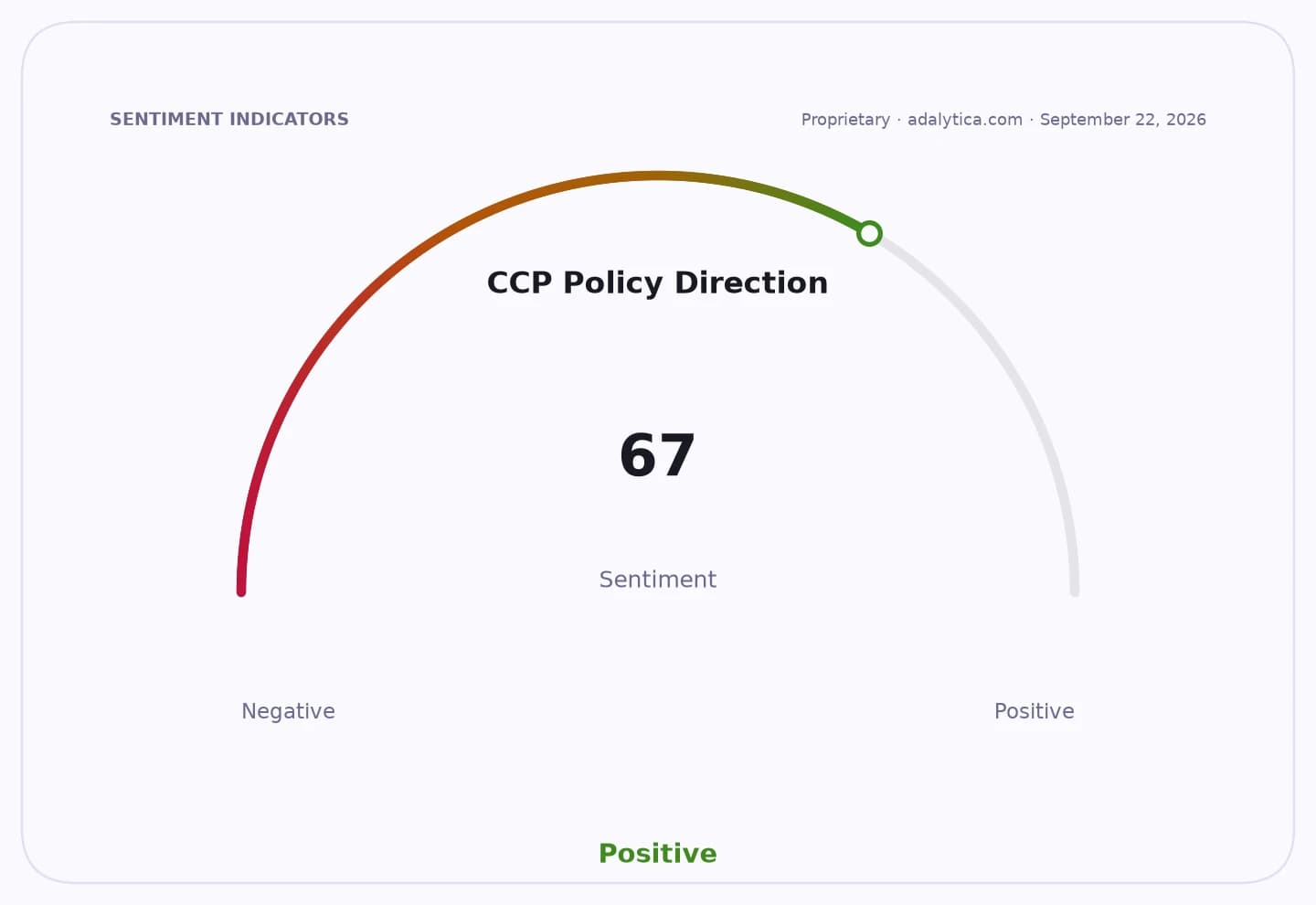
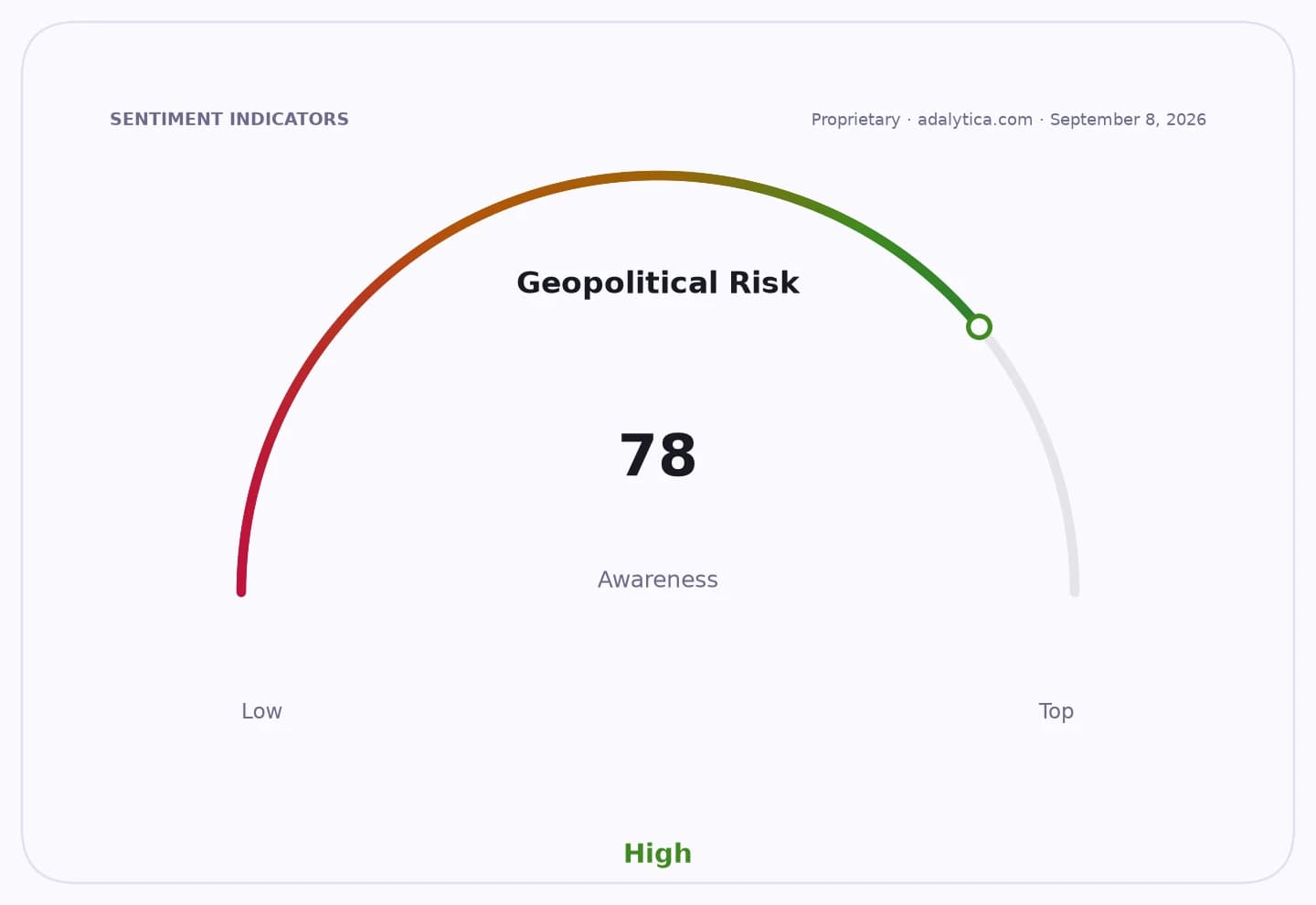
Sentiment IndicatorsⓘProprietary · adalytica.com · September 3, 2026
This is a snapshot — live sentiment, awareness and momentum for 130+ markets update continuously in the dashboard.Open AlphaPulse
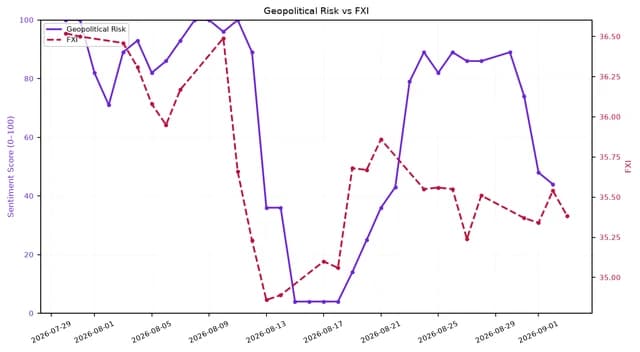
Foreign Ministry spokesman Guo Jiakun said China’s construction activities on the islands are “entirely within” its sovereignty and rejected Hanoi’s statement that foreign activity there without Vietnamese authorization was illegal. Vietnam has been increasingly direct in asserting its own claims, underscoring that the dispute is not a peripheral rhetorical spat but part of a wider contest over control of reefs, shipping lanes and resource rights.
The timing matters because Beijing has also been expanding its capacity to project power in the region, including rapid island-building on disputed features. That reinforces a pattern investors have seen before: China tends to treat sovereignty claims as non-negotiable, while neighboring states respond with diplomacy, legal arguments and visible security coordination. The result is usually not a sudden market shock, but a slow-burn increase in geopolitical risk that can weigh on sentiment toward regional logistics, insurers, energy developers and defense-linked suppliers.
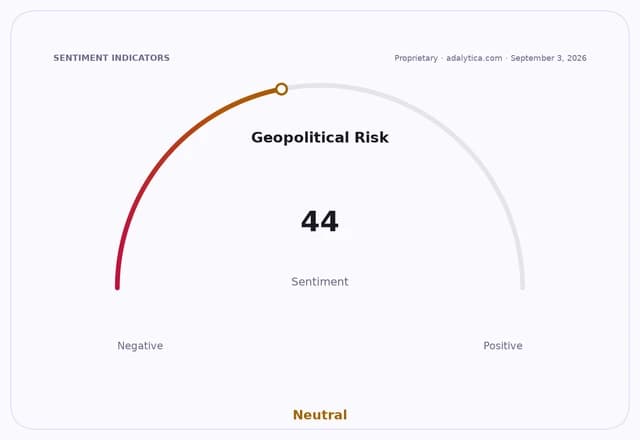
For investors, the key issue is that South China Sea disputes rarely stay isolated. They can spill into broader China-Vietnam trade ties, complicate offshore exploration plans, and add friction to multinationals assessing manufacturing diversification away from China. They also feed into US-China relations at a time when global stability sentiment remains fragile and the market is already balancing growth concerns against geopolitical tail risk.
In equity markets, the direct read-through is modest for China and Hong Kong benchmarks, but persistent regional tensions can support defense, surveillance and maritime-security themes while pressuring sectors exposed to cross-border disruption. The bigger implication is for risk management: investors may need to assume a higher baseline of political volatility in the western Pacific even absent a major military incident.
The likely path is continued diplomatic confrontation rather than immediate escalation, but the significance lies in how these exchanges normalize a more contested maritime order. Every reaffirmation of sovereignty, every new construction project and every counterstatement from a claimant state makes the eventual cost of de-escalation higher.
| Entity | Gains | Losses |
|---|---|---|
| China | ▲sovereignty posture | ▼regional trust |
| Vietnam | ▲domestic resolve | ▼leverage at sea |
| Shipping and insurers | ▲volatility pricing | ▼route certainty |
| Regional investors | ▲defense hedges | ▼risk appetite |