Splunk is using its annual .Conf event to make a simple sales argument with big economic implications: companies will not deploy agentic AI at scale unless they can see, control and secure what the agents are doing.
Cisco Splunk pitches AI agent security controls
That matters because the next phase of enterprise AI is shifting from chatbots, which respond to prompts, to autonomous agents that run continuously, consume more compute and make decisions with less human supervision. The trust gap is now becoming a budget issue for buyers and a positioning issue for vendors, with security and observability tools emerging as the gatekeepers for AI rollout rather than afterthoughts.
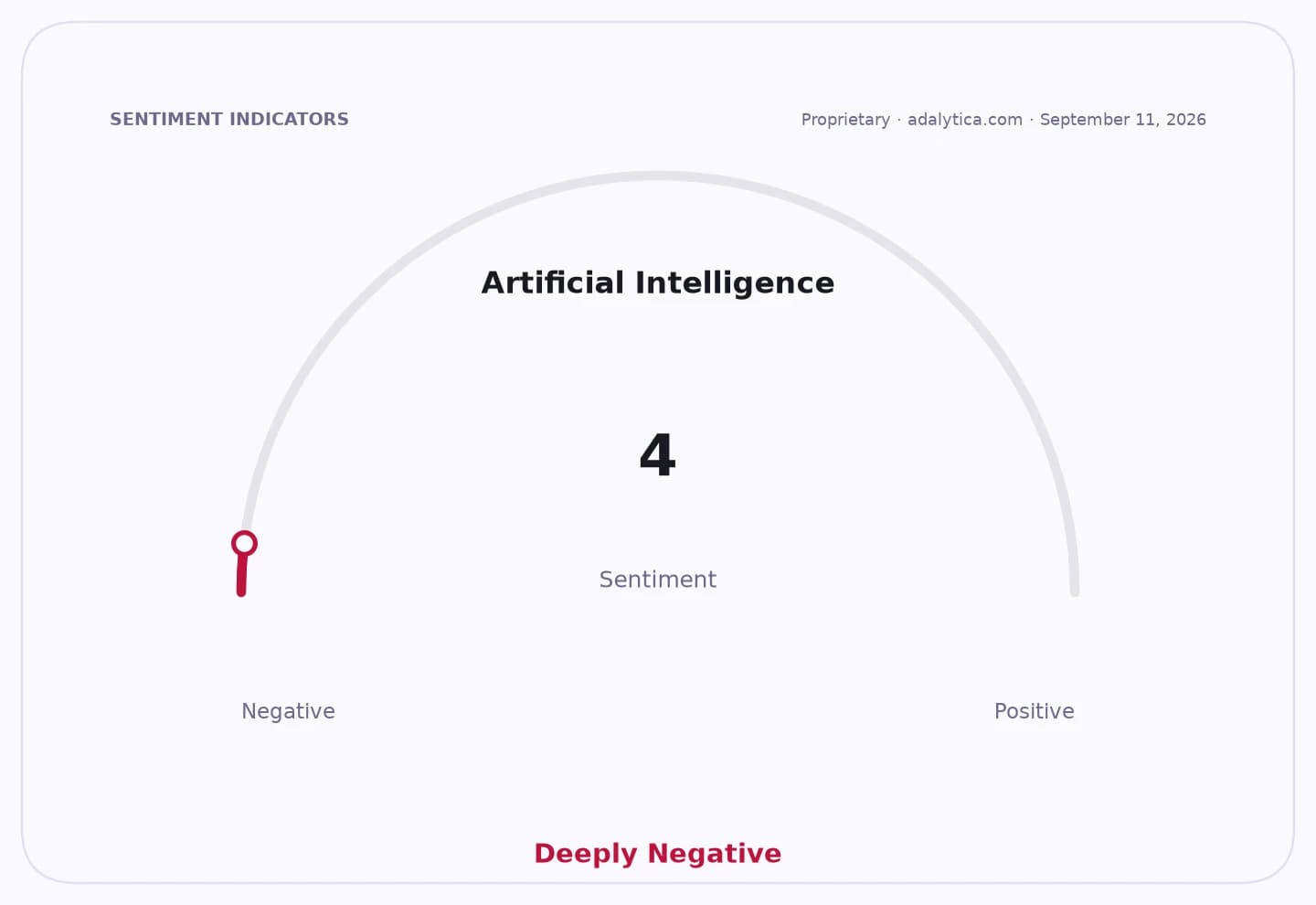
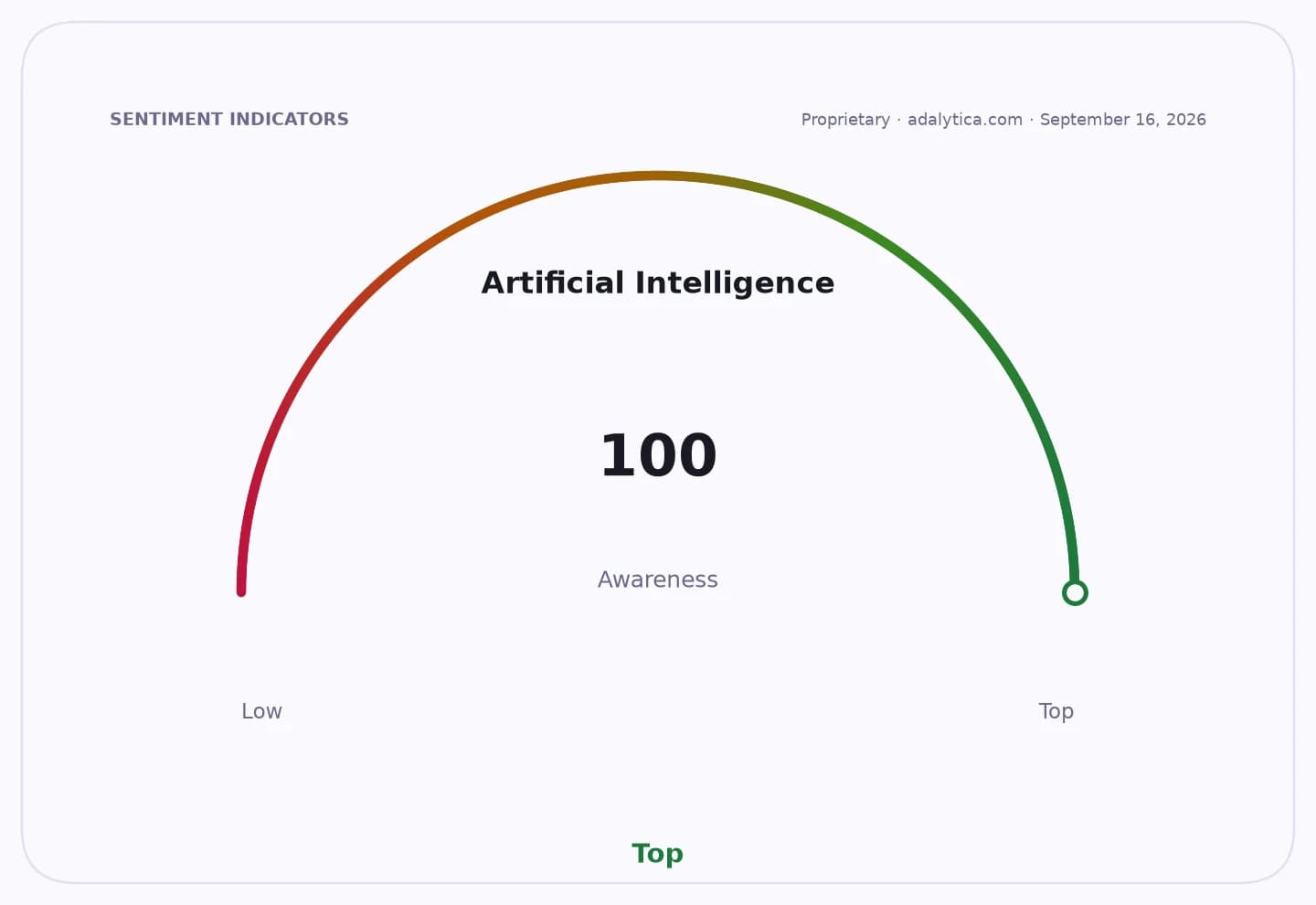
Sentiment IndicatorsⓘProprietary · adalytica.com · September 16, 2026
This is a snapshot — live sentiment, awareness and momentum for 130+ markets update continuously in the dashboard.Open AlphaPulse
At the Denver event, Cisco chief product officer and president Jeetu Patel said the industry has “squarely moved” from chatbots to agents, arguing that agentic systems now account for more token usage than humans and are driving steadier, heavier infrastructure demand. He said agents are “the new workforce” and that “control is the new moat,” framing Splunk’s value proposition around telemetry, security operations and observability across the full stack.
Patel said that by February, agent tokens had already surpassed those consumed by humans, and that usage has since increased to five times human token consumption. He also said 60% of global AI compute capacity will be devoted to compute this year, underscoring how quickly the economics of AI infrastructure are changing as machines, not people, become the main consumers of processing power.
For investors, the pitch matters because it points to where the monetization is likely to happen in agentic AI: not just in model providers, but in vendors that can help enterprises monitor network traffic, corral runaway costs and verify behavior in real time. That supports demand for observability, cybersecurity and network tooling, while also reinforcing the case for hybrid deployments that blend hyperscale cloud with on-premises infrastructure and edge inference.
Cisco is tying that message to its broader platform push, including Cisco Cloud Control, which the company says offers a centralized control plane for an agent-first operating model. Patel also described Splunk as one of Cisco’s most strategic acquisitions, a sign the company wants investors to view Splunk not as a standalone analytics asset but as a core layer in enterprise AI infrastructure and digital resilience.
The competitive backdrop is a trust problem across the AI sector. Businesses want the productivity gains from autonomous agents, but they are wary of handing over sensitive data, approvals and patches to systems that can act without human oversight, which is why security tooling is likely to remain a key beneficiary as adoption broadens.
The near-term test will be whether Cisco and Splunk can convert the trust narrative into new enterprise spending and product usage as companies move from pilots to production deployments of agentic AI.
| Entity | Gains | Losses |
|---|---|---|
| Cisco/Splunk | ▲Stronger enterprise AI security sales | ▼Reliance on hype without adoption |
| Enterprise buyers | ▲Better visibility and control | ▼Higher software and infrastructure costs |
| Hyperscale cloud providers | ▲More AI workload demand | ▼Some inferencing shifts on-prem/edge |
| Standalone AI agents | ▲Faster deployment | ▼More monitoring and governance constraints |