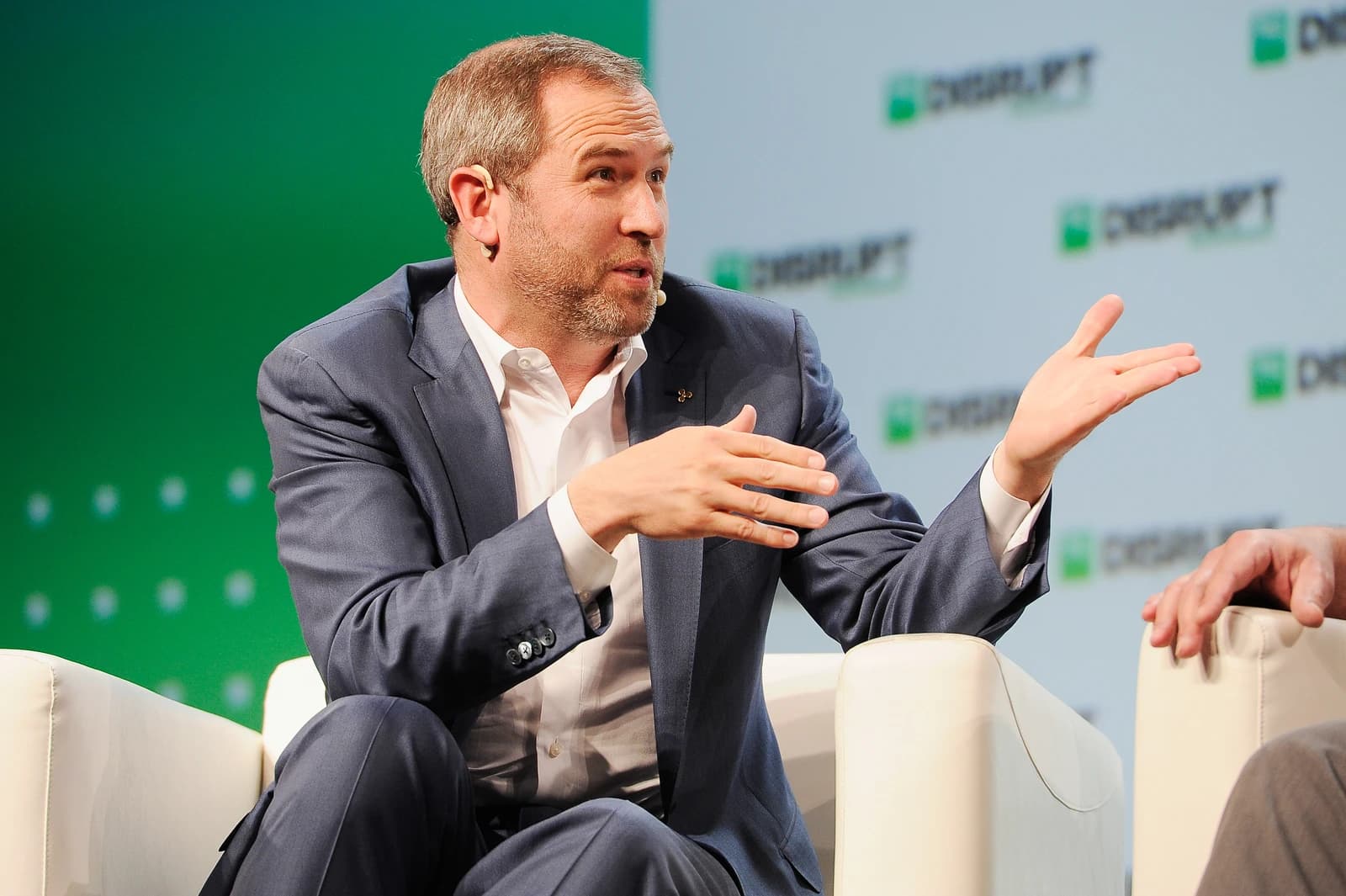
Ripple Chief Executive Brad Garlinghouse is pressing lawmakers to “get this done” on the CLARITY Act, framing clearer US crypto rules as the next major catalyst for the sector just as regulators keep targeting fraud and unlicensed operations. The message lands at a moment when investors are rewarding projects and platforms that can survive tougher oversight, while punishing those still trapped in legal gray zones.
CLARITY Act Could Lift Compliant Crypto Firms
The economic stakes are substantial. A defined federal framework could lower compliance costs, reduce enforcement risk and make it easier for banks, brokers and asset managers to deepen ties with crypto businesses. For Ripple and other large tokens and exchanges, clearer jurisdiction between the SEC and other regulators could also unlock more predictable product launches, listings and custody arrangements.
The backdrop is hardly friendly. The SEC has just charged a Florida man and his company over a $22 million crypto mining fraud scheme, while Vietnam is tightening oversight and imposing fines for unauthorized crypto services. Those moves reinforce a global pattern: regulators are not stepping back, and firms without robust compliance are increasingly vulnerable.
Markets have already started to separate winners from losers. XRP has held near $1.10 to $1.14 in recent sessions, with its 50-day moving average at about $1.12 and RSI readings rebounding from deeply oversold levels earlier in the year. Coinbase shares, meanwhile, have eased to around $162.68 after trading above $216 in May, even as the stock remains well above its early-February lows and retains a firm technical base above the 200-day moving average trend that had been broken earlier in the year.
Robinhood has also retraced from July highs, slipping to about $102.36 from $117.55 earlier this month, suggesting traders are trimming exposure to retail-linked crypto and trading names after a powerful run. For investors, the CLARITY Act is less about one bill than about whether Washington can replace ad hoc enforcement with a ruleset that supports institutional adoption, higher volumes and cleaner valuation multiples across the crypto stack.
If Congress advances the bill, the biggest beneficiaries would likely be compliant exchanges, token issuers and custodians that can scale inside a clearer perimeter. If it stalls, the sector stays exposed to headline risk, enforcement shocks and another round of volatile trading.
| Entity | Gains | Losses |
|---|---|---|
| Ripple / XRP holders | ▲Clearer US rules | ▼Ongoing SEC uncertainty |
| Coinbase | ▲Lower compliance risk | ▼Enforcement overhang |
| Robinhood | ▲More crypto activity | ▼Slower trading momentum |
| Regulators / enforcement agencies | ▲Stronger oversight | ▼Less discretionary power |