Used oil is turning into a more valuable industrial feedstock as recyclers and waste companies push it into lubricants, hydraulic oils and other products, widening a market once dominated by fuel-making and giving earnings a buffer against volatile energy pricing.
Clean Harbors, Waste Management Gain From Used Oil Reuse
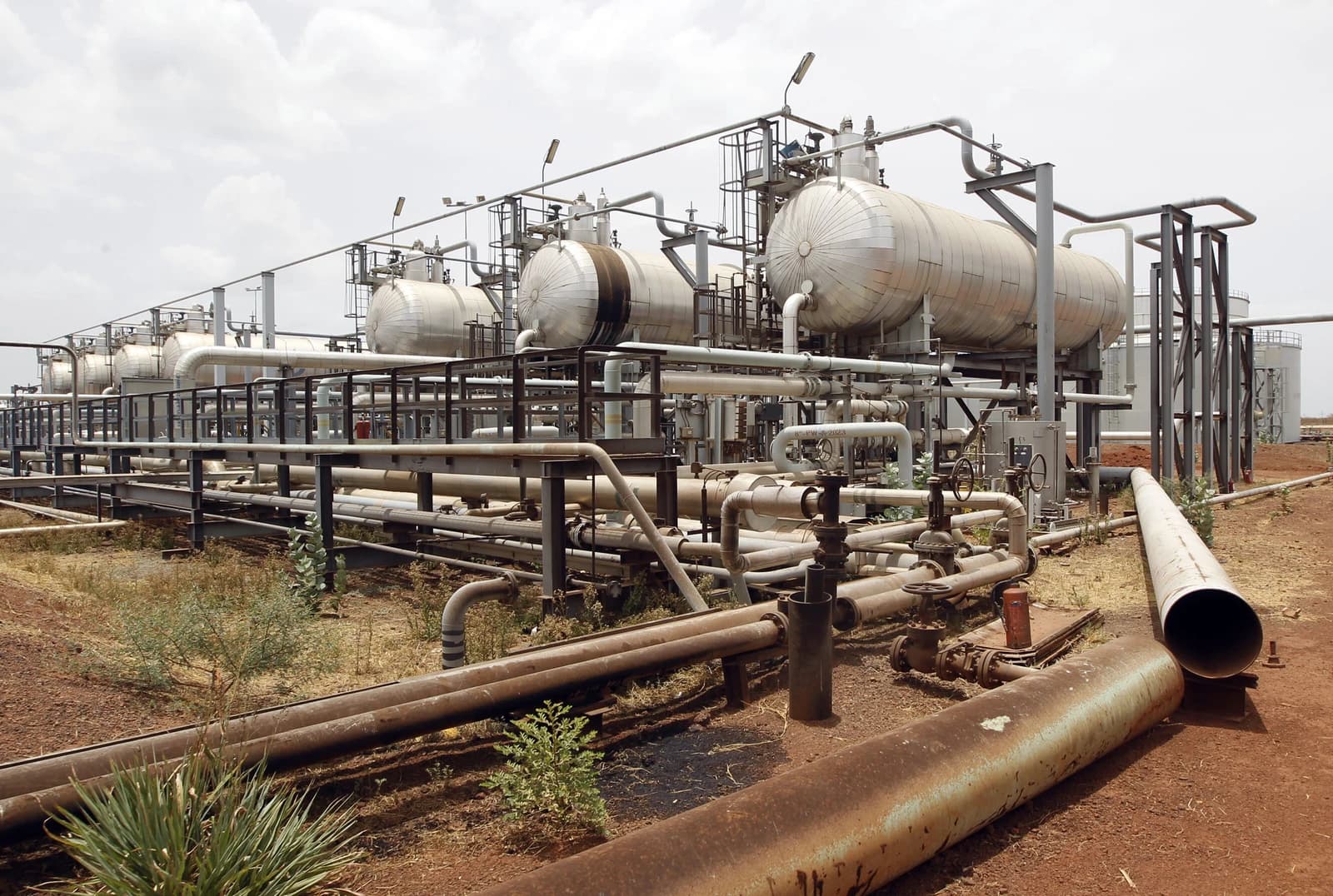
That shift matters because used oil is no longer just a disposal problem or a low-margin biofuel input. It is becoming a circular-economy commodity with multiple end markets, which can lift returns on collection networks, support pricing for recovered volumes and reduce dependence on any single policy-driven outlet.
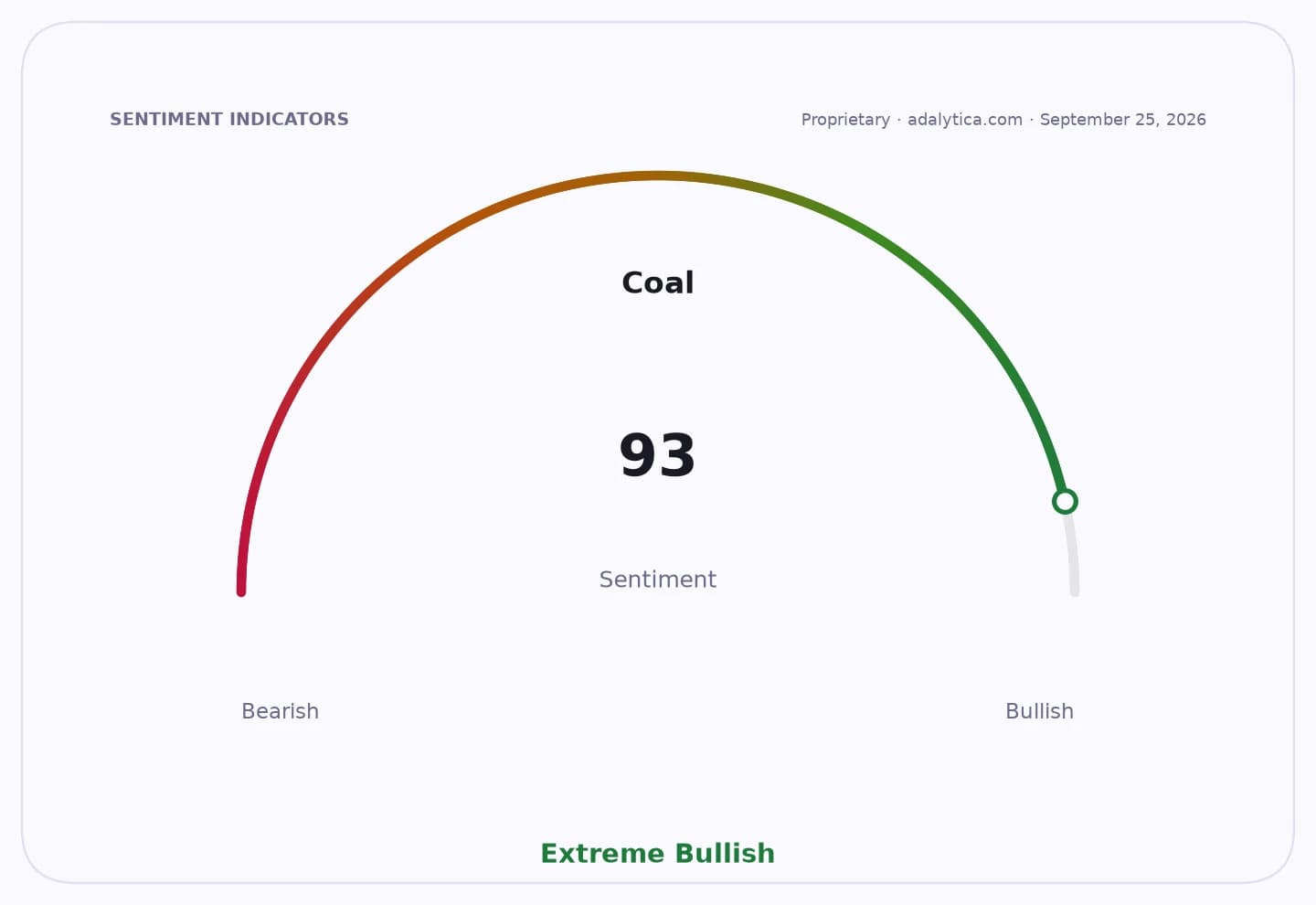
Sentiment IndicatorsⓘProprietary · adalytica.com · July 29, 2026
This is a snapshot — live sentiment, awareness and momentum for 130+ markets update continuously in the dashboard.Open AlphaPulse
Clorox-owned Safety-Kleen, inside Clean Harbors, said in its latest filing that used oil collected through its network is now re-refined into base and blended oils, hydraulic oils, lubricants and recycled fuel oil. Waste Management said customers increasingly expect more of their waste to be recovered, while many state and local governments are tightening diversion mandates and disposal restrictions.
For investors, the appeal is twofold: more product pathways can improve margins, and a larger universe of buyers can help stabilize demand for collected oil when renewable-fuel economics soften. That is especially relevant for Clean Harbors, whose stock closed at $331.87 on July 29, well above its 50-day moving average of $294.82 and 200-day average of $270.29, while Waste Management finished at $237.46, close to its 50-day average of $224.95 and above its 200-day average of $221.71.
The theme also fits a broader push across waste and recycling businesses to extract more value from difficult streams. Darling Ingredients, which has exposure to biofuels through its Diamond Green Diesel joint venture with Valero, remains tied to a market where feedstock economics, fuel mandates and export conditions can swing returns sharply.
The economics of used-oil recovery are getting stronger even as industrial activity remains steady. U.S. industrial production has been edging higher, while producer prices for crude materials are running at 286.827 in June and are forecast to rise to 295.8433 in July, a backdrop that supports the value of recycled industrial inputs.
The bigger question for the sector is whether recyclers can keep expanding end markets without undercutting the climate case for recovery. For now, investors are betting that used oil's second life, beyond biofuel, can generate a more resilient earnings stream than disposal alone.
| Entity | Gains | Losses |
|---|---|---|
| Clean Harbors / Safety-Kleen | ▲Higher-value end markets | ▼Reliance on fuel-only demand |
| Waste Management | ▲More recovery revenue | ▼Low-diversion landfill model |
| Darling Ingredients / DGD | ▲Feedstock flexibility | ▼Biofuel margin volatility |
| Industrial buyers | ▲Cheaper recycled inputs | ▼Volatile virgin-oil costs |