Coal prices are no longer behaving like a permanently discounted fuel, and that matters because the reset is being driven by a mix of tighter supply, policy shifts and swings in energy demand that can quickly flow through power markets, miners and emerging-market exporters.
Coal prices tighten as supply shocks lift demand

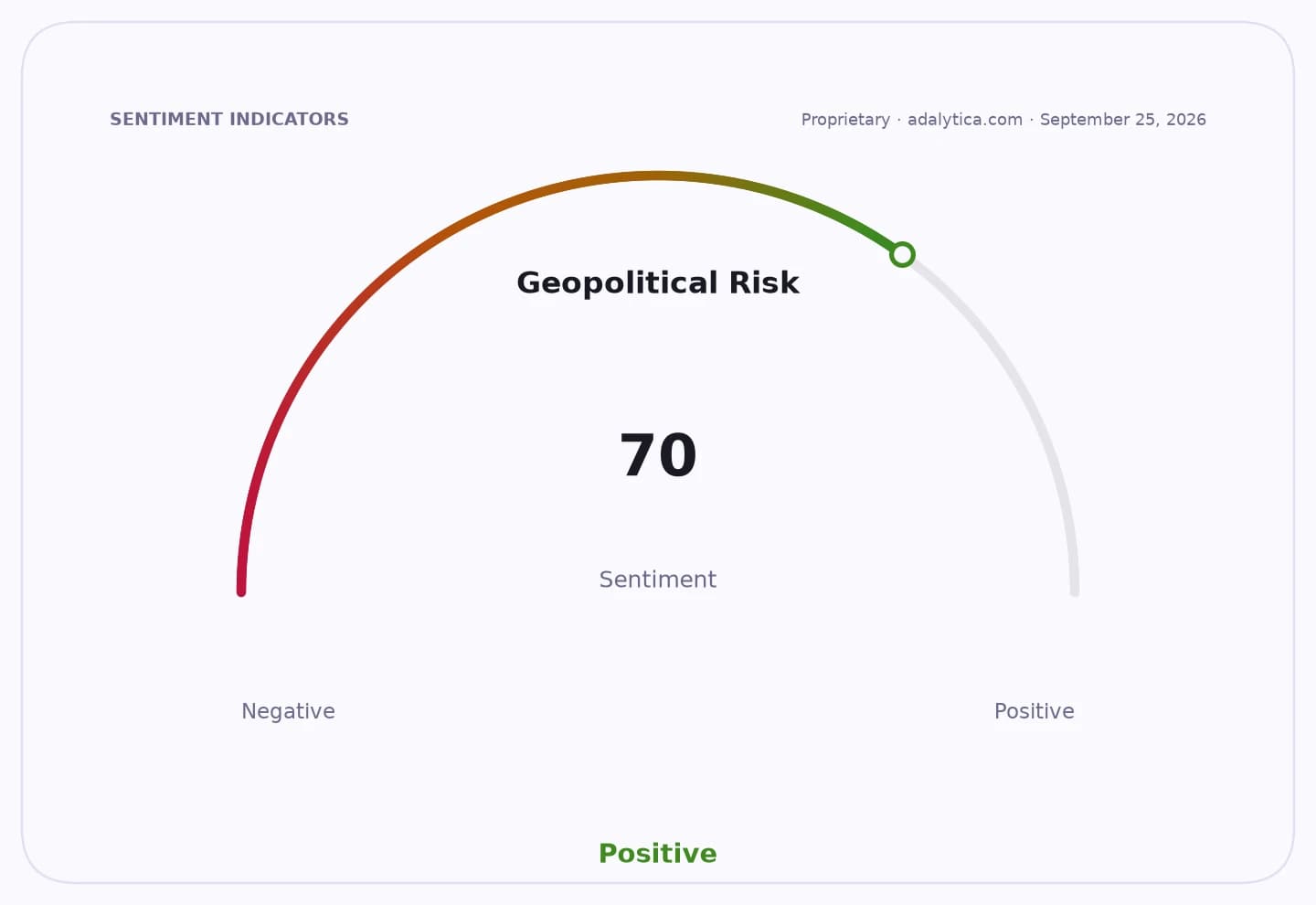
The latest signal is that coal has reasserted pricing power even as the broader energy complex remains volatile. In Adalytica’s Coal Fear & Greed Index, sentiment has jumped to 81, or greed, while awareness remains at an extreme-fear reading of 7, suggesting the market is still underestimating how quickly coal can tighten when supply is disrupted. That is happening against a backdrop of firmer thermal-fuel demand in Asia, including a 29% jump in China’s coal imports in June after a mine accident hit domestic output, and renewed production mandates in countries such as Cuba.
Sentiment IndicatorsⓘProprietary · adalytica.com · July 15, 2026
This is a snapshot — live sentiment, awareness and momentum for 130+ markets update continuously in the dashboard.Open AlphaPulse

For investors, the implications are two-sided. Higher coal prices support miners and coal-linked producers that have been priced for a long period of policy decline and weak fundamentals, but they also squeeze utilities, importers and economies that depend on affordable fuel for electricity generation. The move is especially important for Asia’s coal trade, where disruptions in domestic output can force buyers back into the seaborne market, lifting marginal prices and improving bargaining power for exporters.
That tension is visible in the market data. West Texas Intermediate has recovered from the low $60s seen in 2008-style stress episodes and is hovering in the high $60s, while the energy equity complex remains firm, with the XLE ETF near the mid-50s and above its 200-day moving average. Indonesia Energy Corp, a small-cap oil and gas name, has also shown how commodity pricing can drive sharp swings in investor positioning, though its recent move is tied more directly to Brent-linked crude exposure than coal itself. The wider message is that commodity markets are still being repriced for scarcity rather than cheap abundance.

The bull case for coal is straightforward: supply discipline, logistical bottlenecks and intermittent policy support in emerging markets can keep prices elevated longer than ESG-heavy portfolios expect. The bear case is just as clear: demand is structurally vulnerable to renewable buildout, efficiency gains and regulatory pressure, including Turkey’s decision to drop plans for a coal-plant expansion ahead of COP31, a reminder that policy headwinds have not gone away.
For investors, the key question is whether this is a cyclical squeeze or the start of a broader re-rating of coal as a strategically important, intermittently scarce fuel. If the former, rallies will remain tradeable but temporary. If the latter, the era of assuming coal is always cheap may be over, and that would reshape margins, import bills and portfolio allocations across the global energy chain.
| Entity | Gains | Losses |
|---|---|---|
| Coal miners/exporters | ▲Higher realized prices | ▼Less price discounting |
| Utilities/importers | ▲Short-term supply flexibility | ▼Higher fuel costs |
| China/Asia buyers | ▲Diversified supply access | ▼Weaker bargaining power |
| Clean-energy advocates | ▲Policy momentum | ▼Slower coal retreat |