Coal mining expansion is exacting a heavier human cost in villages like Muara Maung just as the sector draws fresh support from tighter supply, firmer global coal demand and renewed interest in coal-linked assets.
Coal rally meets rising social and policy risk
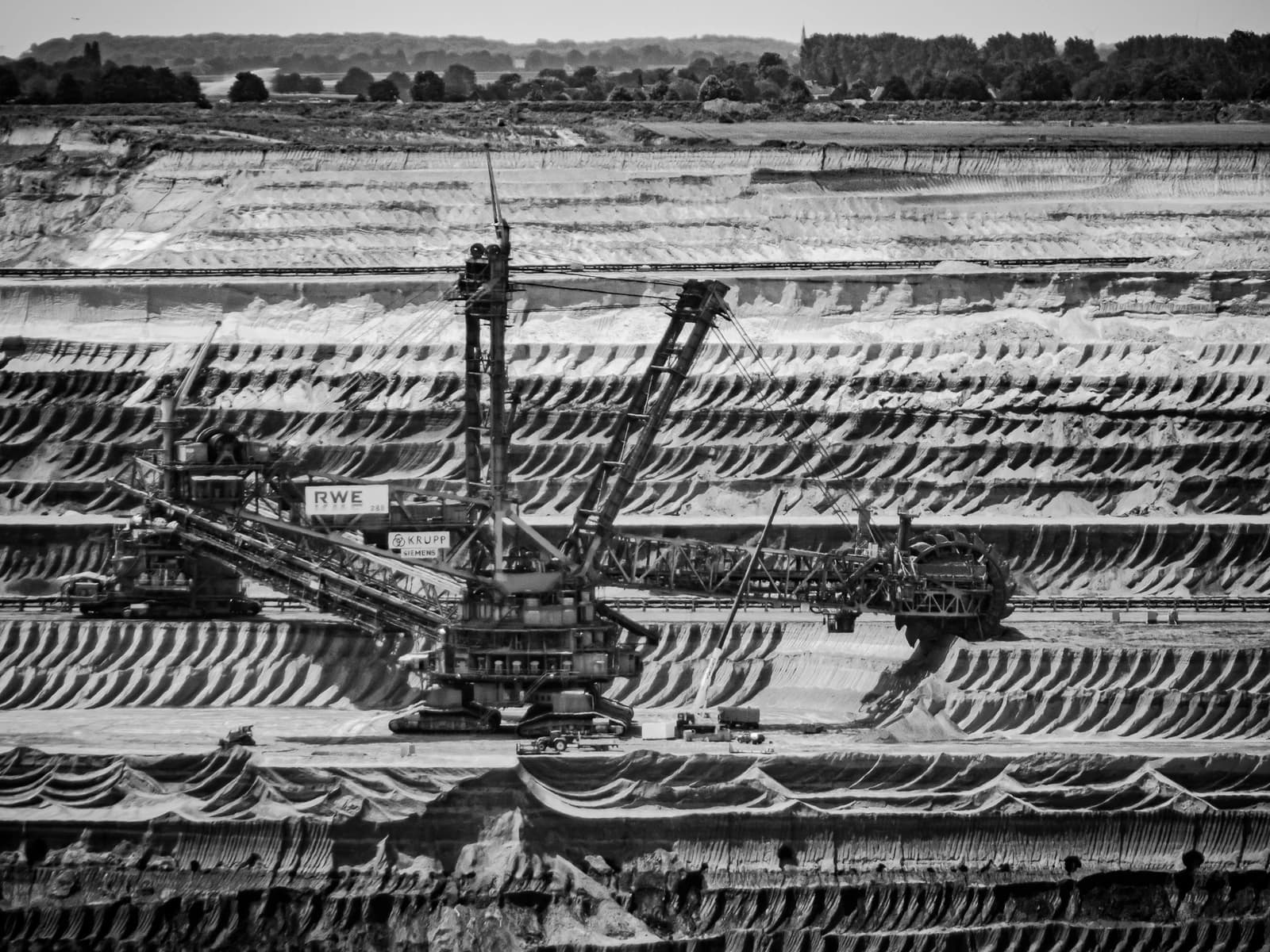
The story is economically important because coal still underpins electricity systems and steelmaking supply chains, particularly in Asia, even as environmental damage and community displacement sharpen political and legal risk for producers. That leaves miners facing a familiar trade-off: more output can support revenues and cash flow, but it also raises the odds of permitting delays, protests, remediation costs and reputational damage.
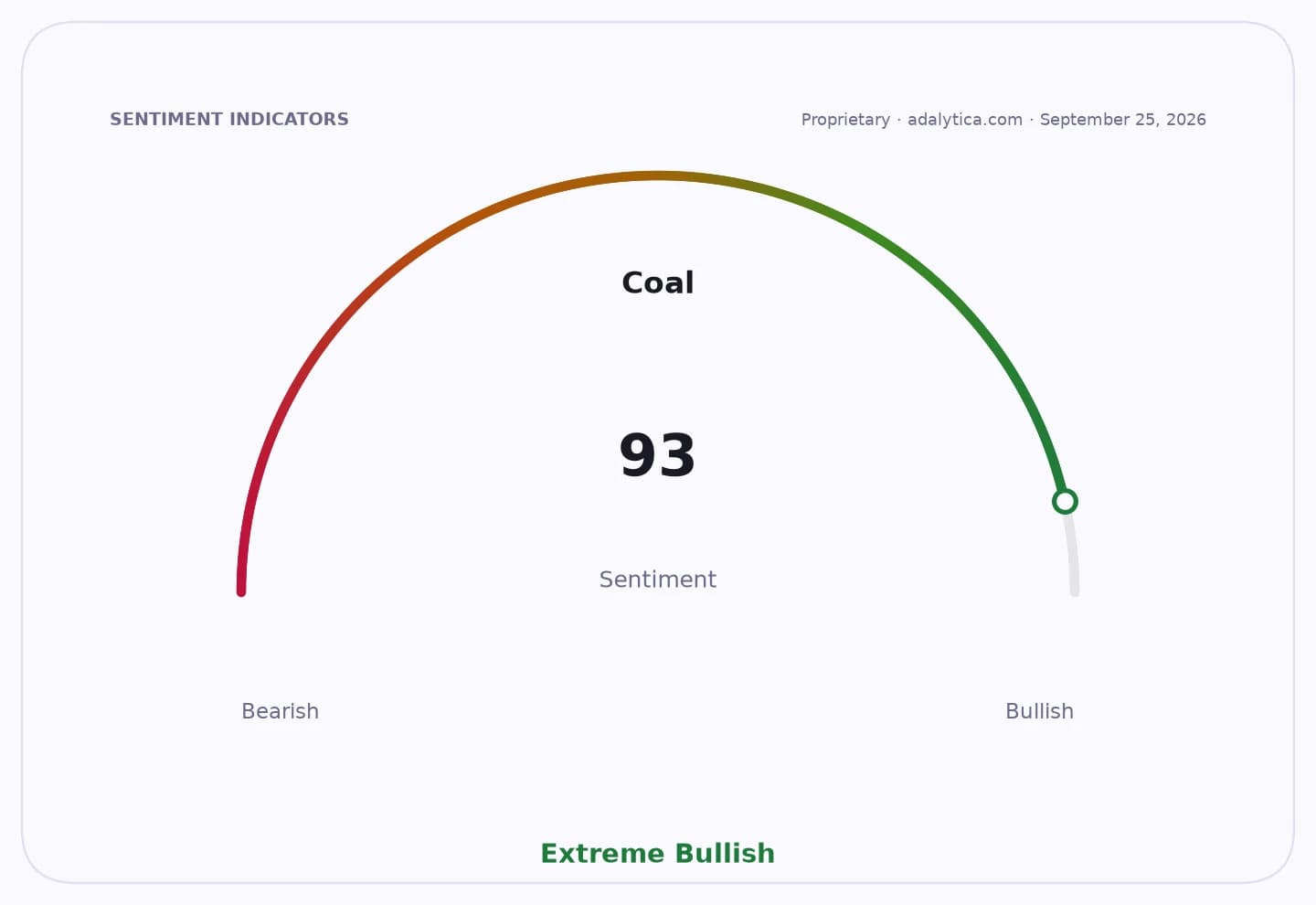
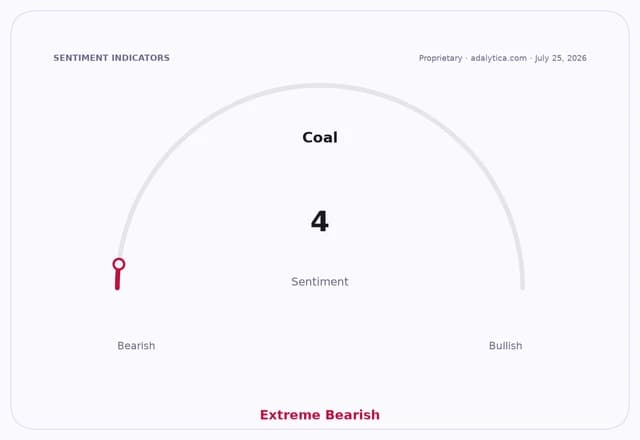
Sentiment IndicatorsⓘProprietary · adalytica.com · July 25, 2026
This is a snapshot — live sentiment, awareness and momentum for 130+ markets update continuously in the dashboard.Open AlphaPulse
Investor interest has not vanished. Coal-related assets rose about 5% in recent trading, while coal-fired power generation is increasing amid Middle East tensions and China has stepped up imports from Indonesia, Mongolia and Australia after a domestic mining accident disrupted supply. At the same time, the sector remains uneven: Bharat Coking Coal, a Coal India subsidiary, fell 7% after weak quarterly results, showing how quickly operational misses can overwhelm the macro tailwind.
For U.S.-listed producers, the tape remains volatile. HCC shares closed at $80.07 on July 24, down from $110.28 in early June, while BTU ended at $22.80, near its 50-day moving average of $24.86 and well below its 200-day average of $29.54. The technical backdrop points to a sector that has lost momentum even as coal sentiment on Adalytica’s Coal Fear & Greed Index sits in “Extreme Fear” at 4, with awareness still elevated at 71.
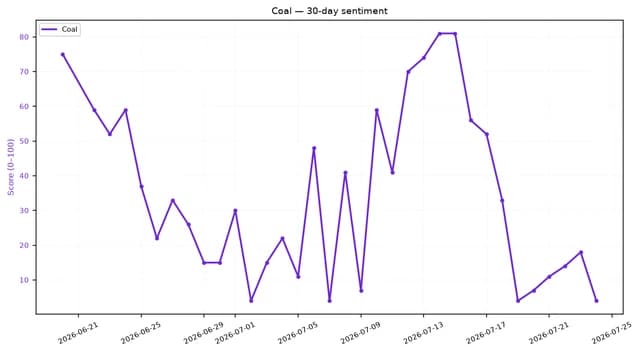
That disconnect helps explain why investors are still trading coal as both a cash-generating commodity play and a policy-risk story. Steelmaking coal demand in China stayed subdued in HCC’s latest quarterly filing, but the company also cited stronger sales volumes and higher depreciation tied to Blue Creek, underscoring the tension between growth and cost intensity.
The next catalyst is whether higher coal prices and tighter supply can offset rising scrutiny over mine expansion, particularly in Asia and emerging markets. Any fresh disruption in Chinese supply, U.S. environmental permitting or producer earnings will likely set the next move in the group.
| Entity | Gains | Losses |
|---|---|---|
| Coal miners | ▲Higher prices, tighter supply | ▼Community backlash, legal risk |
| Investors in coal ETFs | ▲Near-term upside | ▼Long-term policy and ESG risk |
| Villagers in Muara Maung | ▲None | ▼Displacement, dust, health costs |
| Utilities and steelmakers | ▲Short-term fuel availability | ▼Higher input costs |