CISF’s seizure of about 1,800 metric tons of coal in just three weeks is a reminder that in India’s power system, the battle for reliability does not end at the mine mouth — it extends to the transport chain, the black market and ultimately to the cost of keeping factories and homes supplied.
Coal theft crackdown may favor formal operators
That matters because coal is still the backbone of India’s electricity mix, and theft is not a petty crime when the fuel is moving by the trainload. Every tonne diverted, diluted or stolen chips away at inventory control, raises operating friction for miners and logistics providers, and can force utilities and industrial buyers to absorb higher costs or tighter supply. For an economy that depends on uninterrupted power to support manufacturing, infrastructure buildout and urban growth, better enforcement is not just a policing story. It is a productivity story.
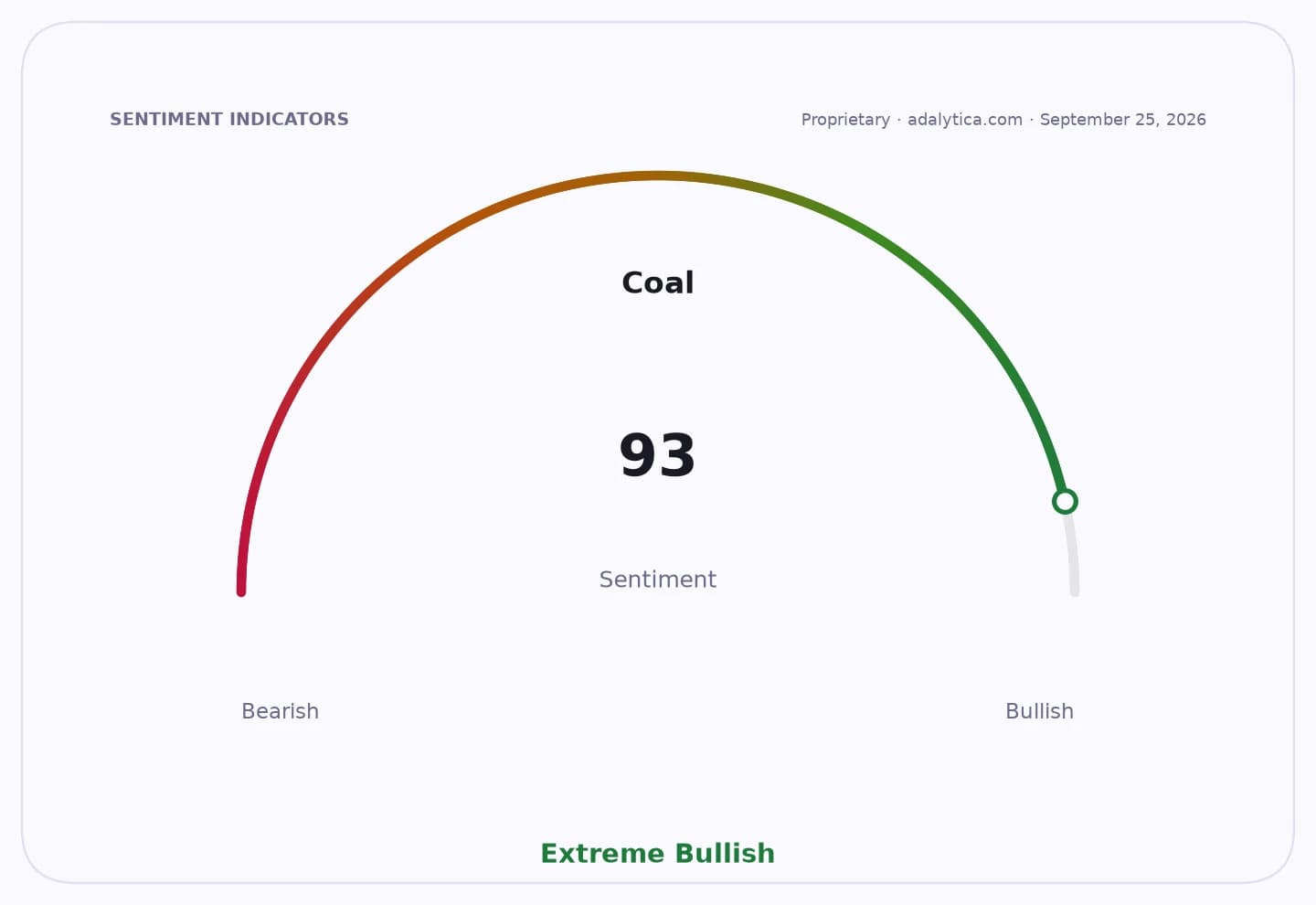
Sentiment IndicatorsⓘProprietary · adalytica.com · July 19, 2026
This is a snapshot — live sentiment, awareness and momentum for 130+ markets update continuously in the dashboard.Open AlphaPulse
The scale of the crackdown suggests the problem is organized rather than opportunistic. Recovering 1,800 metric tons in three weeks points to a supply chain leak that had become large enough to warrant a security response, and that should matter to investors looking at the coal value chain. Miners with strong compliance, rail-linked logistics and tighter tracking systems are better positioned than weaker operators when authorities turn up the heat on illicit volumes. Over time, that can favor formal players by improving realized volumes, reducing leakage and strengthening pricing discipline.
For coal buyers, the near-term effect is more nuanced. Stricter enforcement can tighten available supply in some local channels, but that is usually a healthier outcome for the market than persistent theft and arbitrage. It reduces the hidden tax on the system. In a world where investors are already weighing India’s power demand growth against decarbonization pressures and volatile commodity prices, any step that improves chain-of-custody and operational transparency should be viewed as structurally positive.
The broader message is that energy security is increasingly becoming a governance issue as much as a resource issue. India’s coal demand is not disappearing any time soon, and that means the quality of oversight will continue to influence margins, cash flows and reliability across the sector. For long-term investors, the better question is not whether coal remains controversial — it does — but which companies and infrastructure names can operate cleanly enough to capture demand without the drag of leakage, disruption or regulatory backlash.
This is the kind of development worth watching over years, not days. If enforcement stays aggressive, the biggest winners are likely to be formal operators, disciplined logistics providers and utilities that can source fuel with less friction. The losers are the middlemen and rogue networks that thrive when oversight is weak.
| Entity | Gains | Losses |
|---|---|---|
| CISF / authorities | ▲Stronger control | ▼Criminal coal networks |
| Formal miners / logistics firms | ▲Better supply discipline | ▼Leak-prone operators |
| Utilities / industrial buyers | ▲More reliable fuel flow | ▼Buyers facing theft-related costs |
| India’s power system | ▲Improved energy security | ▼Black-market intermediaries |