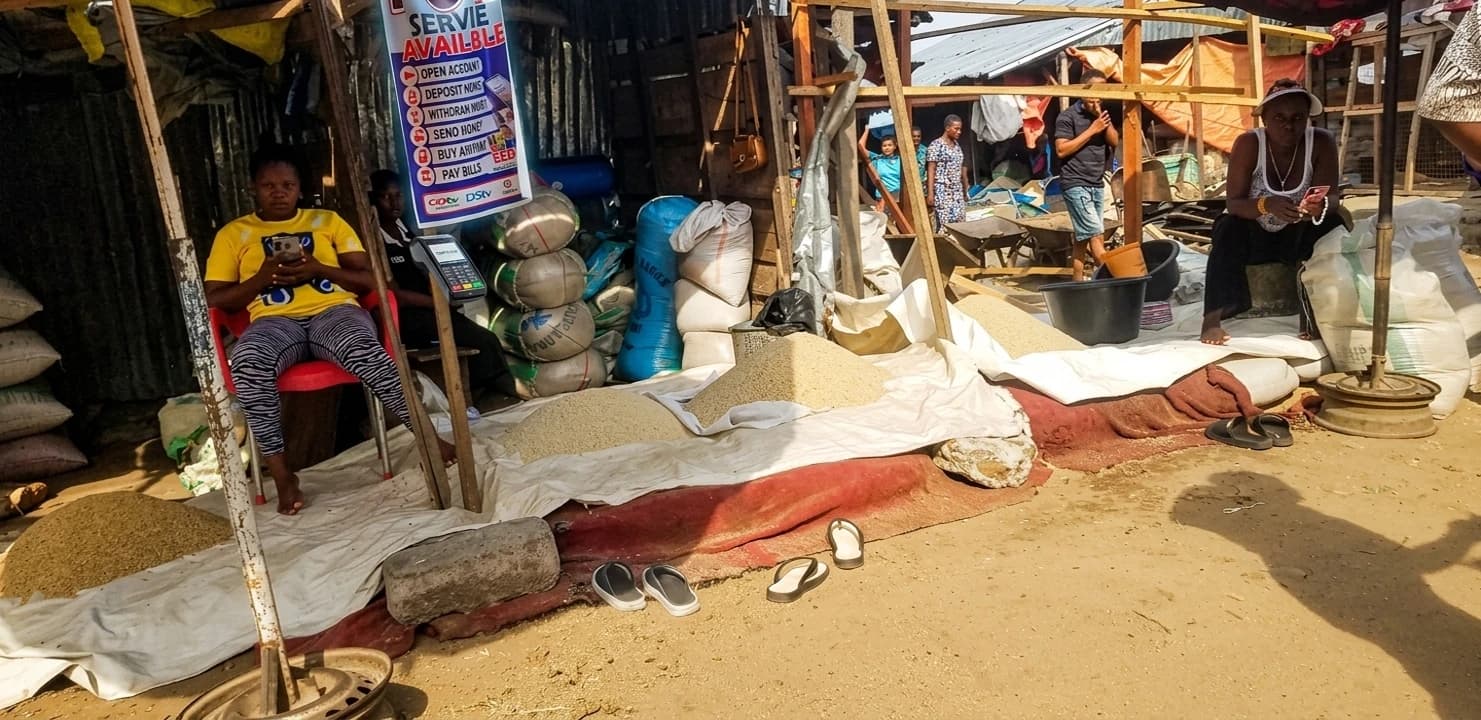
West African cocoa farmers are facing renewed strain as the recent pullback in cocoa prices threatens incomes just as governments and buyers try to steady a market still scarred by last year’s supply shock.
Cocoa Price Pullback Pressures West African Farmers

The downturn matters because cocoa remains the economic backbone for millions of smallholders in Ghana and Ivory Coast, where farmgate earnings ripple through rural employment, transport, trading and local spending. After the historic price surge that lifted global cocoa costs, a reversal now squeezes farmers who have little ability to hedge prices and must absorb higher input, labor and financing costs.
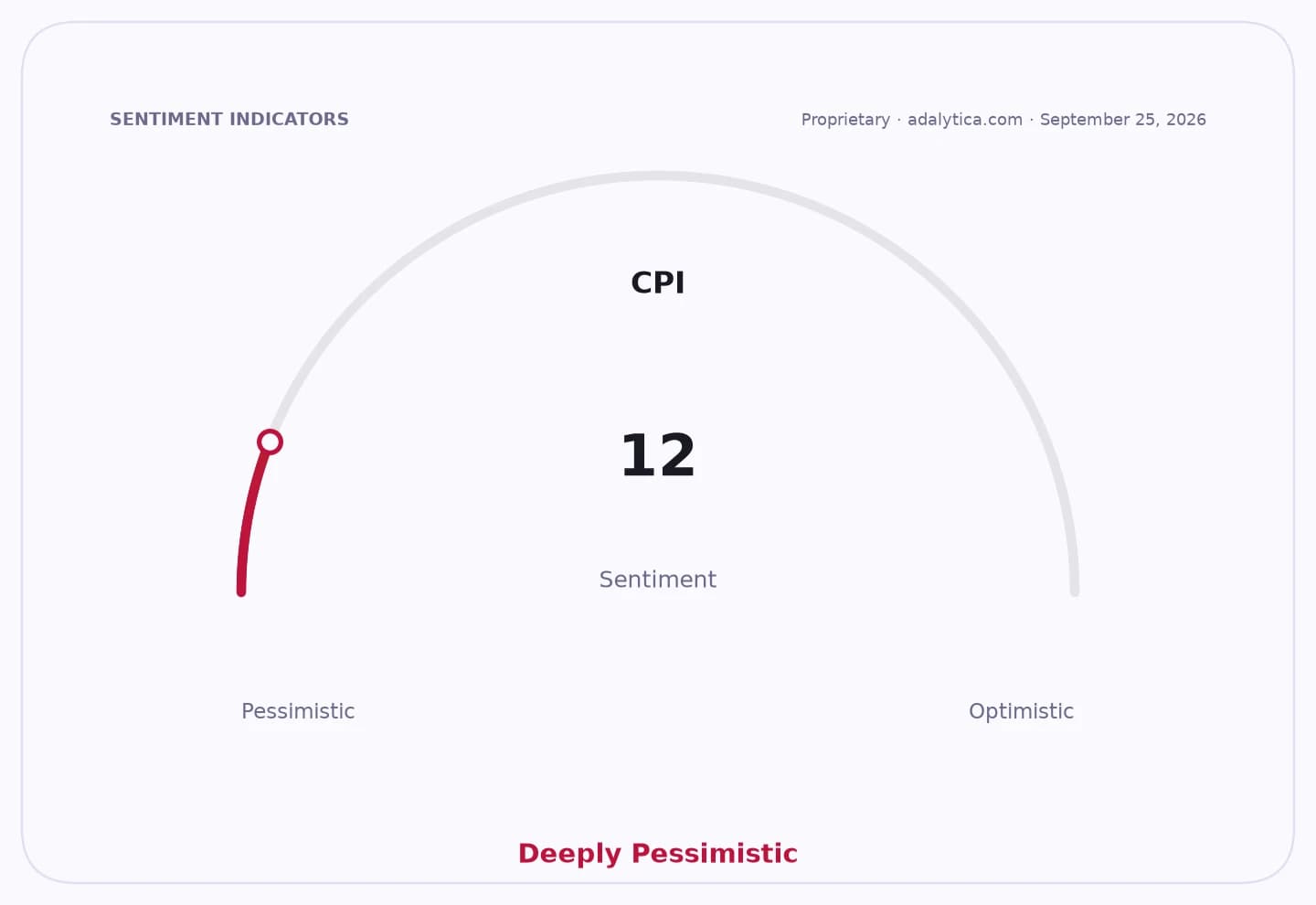
Sentiment IndicatorsⓘProprietary · adalytica.com · July 17, 2026
This is a snapshot — live sentiment, awareness and momentum for 130+ markets update continuously in the dashboard.Open AlphaPulse
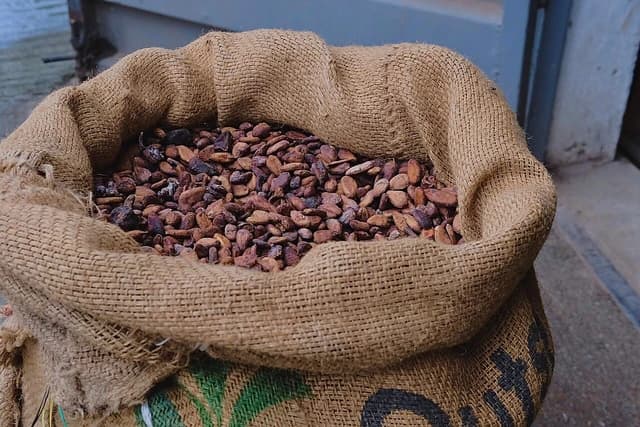
Ghana’s cocoa regulator, COCOBOD, has moved to settle GH¢162 million in outstanding bills owed to non-DDEP holders, a sign it is trying to unclog a payment system that had strained confidence across the supply chain. Clearing arrears can support farmer liquidity and keep beans moving to exporters, but it also underscores how fragile the sector remains when prices swing sharply.
The price backdrop remains volatile. U.S. cocoa producer prices, tracked by the PPIACO series, were still forecast to rise to 295.84 in July from 286.83 in June, suggesting wholesale costs remain elevated even as the farmgate market cools. Oil’s drop from a recent July spike has also eased some broader inflation pressure, but cocoa’s own pricing remains driven more by weather risk, crop disease and supply tightness than by energy costs alone.
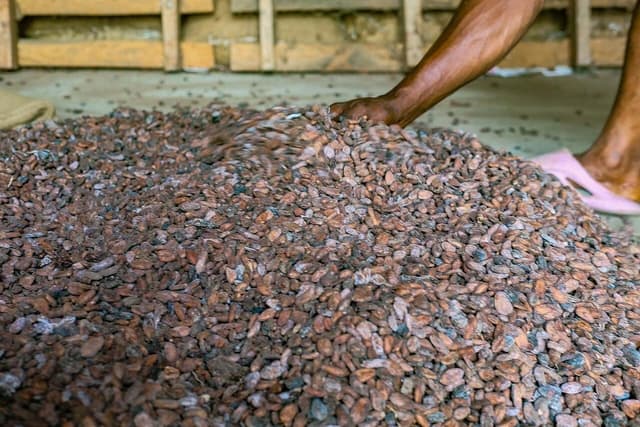
For investors, the pressure cuts both ways. Lower cocoa prices may eventually improve margins for chocolate makers such as Mondelez, which has said cocoa costs have eased from prior-year levels, but they also raise the risk of a deeper supply correction if farmers cut back on fertiliser use, maintenance or replanting. That could tighten future supply again and keep the market volatile.
Adalytica’s Food and Grocery Spending Sentiment gauge is neutral at 41, reflecting how consumers and retailers are still balancing high food costs against signs of relief in some commodities. For cocoa, the bigger issue is not just this season’s price move but whether West African producers can survive enough to keep output stable.
The next catalyst is the harvest and export cycle in Ghana and Ivory Coast, where any delay in payments, weather disruption or policy misstep could quickly feed back into global cocoa prices, chocolate margins and rural incomes.
| Entity | Gains | Losses |
|---|---|---|
| Chocolate makers | ▲Lower input costs | ▼Less pricing power |
| West African farmers | ▲Debt relief from payments | ▼Softer cocoa prices |
| Consumers | ▲Potential easing in snack prices | ▼Limited near-term relief |
| Exporters/States | ▲Smoother supply flow | ▼Revenue pressure if output weakens |