Inhil coconut farmers are seeing prices collapse from Rp7,000 a kilogram to just Rp1,800, a brutal drop that matters far beyond one regency because it shows how quickly commodity shocks can erase farm income and squeeze the rural economy.
Coconut Price Collapse Hits Farmers, Helps Processors
For investors, the message is simple: when agricultural prices fall this hard, the pain does not stay on the farm. It moves through processors, traders, exporters and consumer goods companies, and it can change planting decisions for years. A collapse of this size wipes out cash flow for smallholders, weakens household spending, and raises the risk that farmers cut back maintenance, replanting and investment in their groves.
The wider backdrop is a commodity market that is already telling a volatile story. Crude oil, which influences transport, fertilizer and broader energy costs, has swung sharply in recent years and was last forecast around $84.98 a barrel, underscoring how unstable input costs remain for agribusiness. At the same time, market sentiment around the Chinese yuan has turned deeply fearful, a reminder that a weaker China can damp regional demand and pressure export-linked farm economies across Asia.
That matters because coconut is not just a local crop. It feeds into cooking oil, food ingredients, cosmetics and industrial products, tying Indonesia’s smallholders to global pricing and to the margins of large buyers. When prices are this low, the winners are processors and downstream manufacturers that can secure cheaper raw material. The losers are farmers, laborers and local merchants who depend on farm income circulating through village economies.
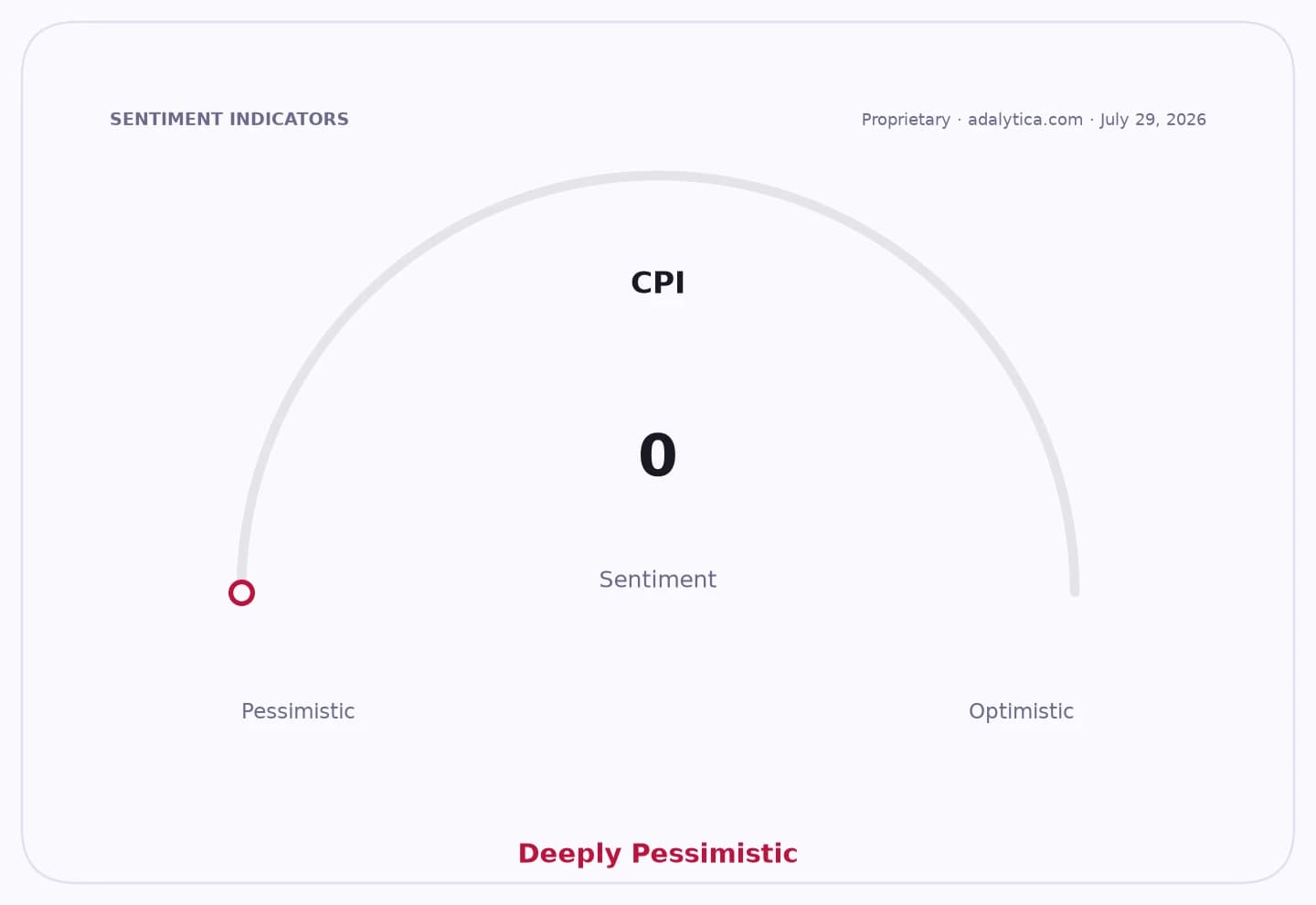
The Indonesia coconut story also sits inside a bigger agricultural truth: commodity markets punish producers first and reward scale second. Large processors and diversified food companies can usually ride out volatility. Small farmers cannot. In a year when the Adalytica CPI gauge is flashing “Extreme Fear,” investors should take that as a warning that stressed consumers and fragile rural incomes can reinforce each other, especially in emerging markets.
There is also a supply-side risk. If low prices persist, farmers may reduce care for existing trees or abandon replanting altogether, which can tighten supply later and create the next price spike. That boom-bust cycle is familiar in agriculture, and it is exactly why patient investors should think in years, not quarters.
For long-term investors, the takeaway is not to chase coconut prices, but to watch who controls pricing power. Companies with strong brands, efficient sourcing and diversified supply chains tend to handle these shocks best. The farmers in Inhil are absorbing the immediate hit, but the ripple effects could shape Indonesia’s coconut industry for a long time.
| Entity | Gains | Losses |
|---|---|---|
| Coconut processors | ▲Cheaper raw material | ▼Farmer distress risk |
| Smallholder farmers | ▲None | ▼Collapsing farm income |
| Downstream food makers | ▲Lower input costs | ▼Supply disruption later |
| Rural communities | ▲None | ▼Weaker local spending |




