Coffee drinkers are trading down from more expensive formats to whole beans as higher green coffee costs work their way through supermarkets and cafés, underscoring how a commodity rally is beginning to reshape consumer behaviour and the economics of the global coffee chain.
Coffee Inflation Spurs Trade-Down to Whole Beans
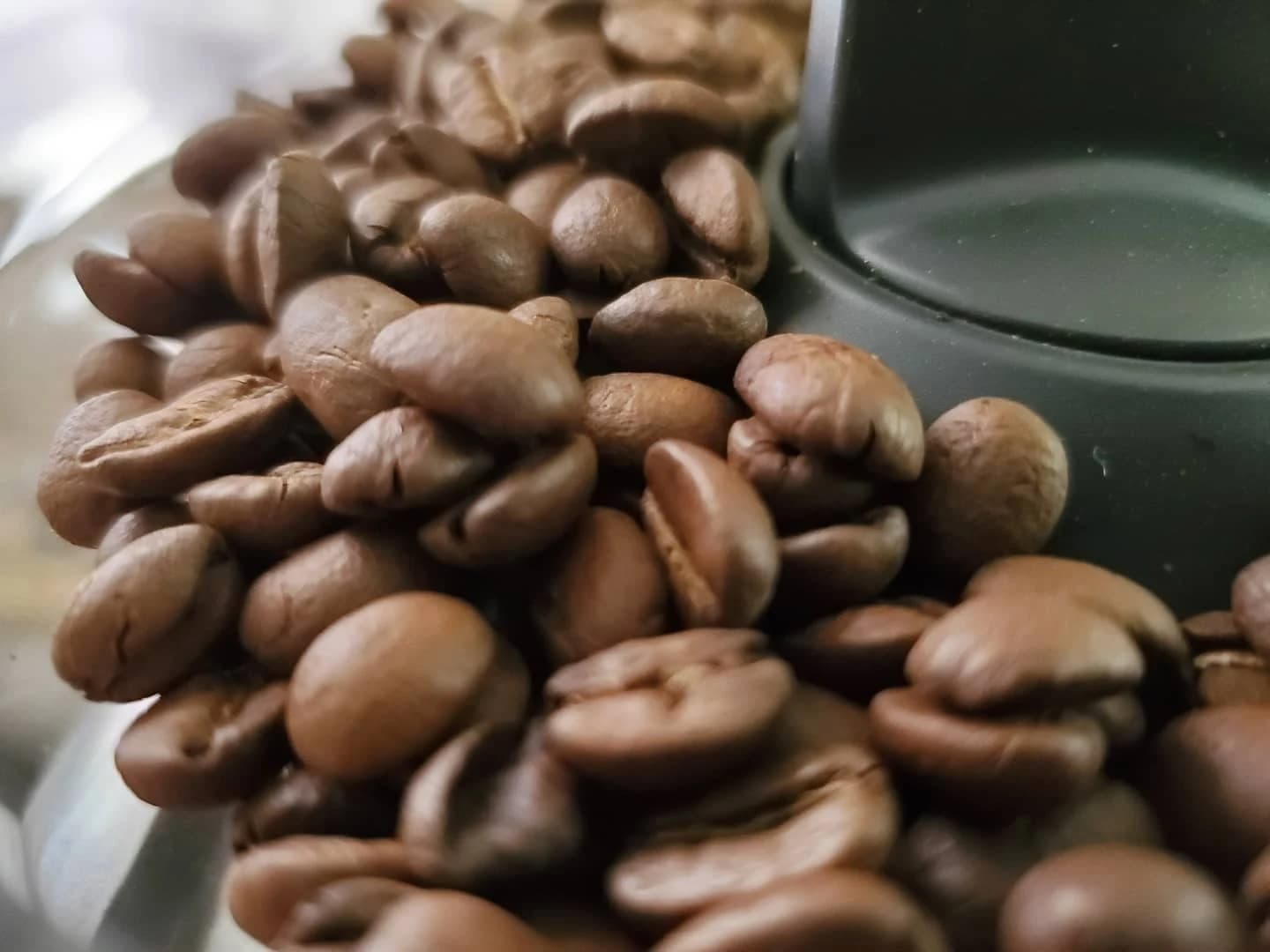
The move matters because coffee is not just another packaged-goods category: when bean prices rise, roasters, retailers and restaurant chains are forced to choose between margin compression and price increases that can unsettle demand. Lavazza’s warning points to a familiar but uncomfortable pattern for consumer staples investors — an input-cost shock that starts in futures markets and ends in shopping baskets, menu boards and earnings calls.
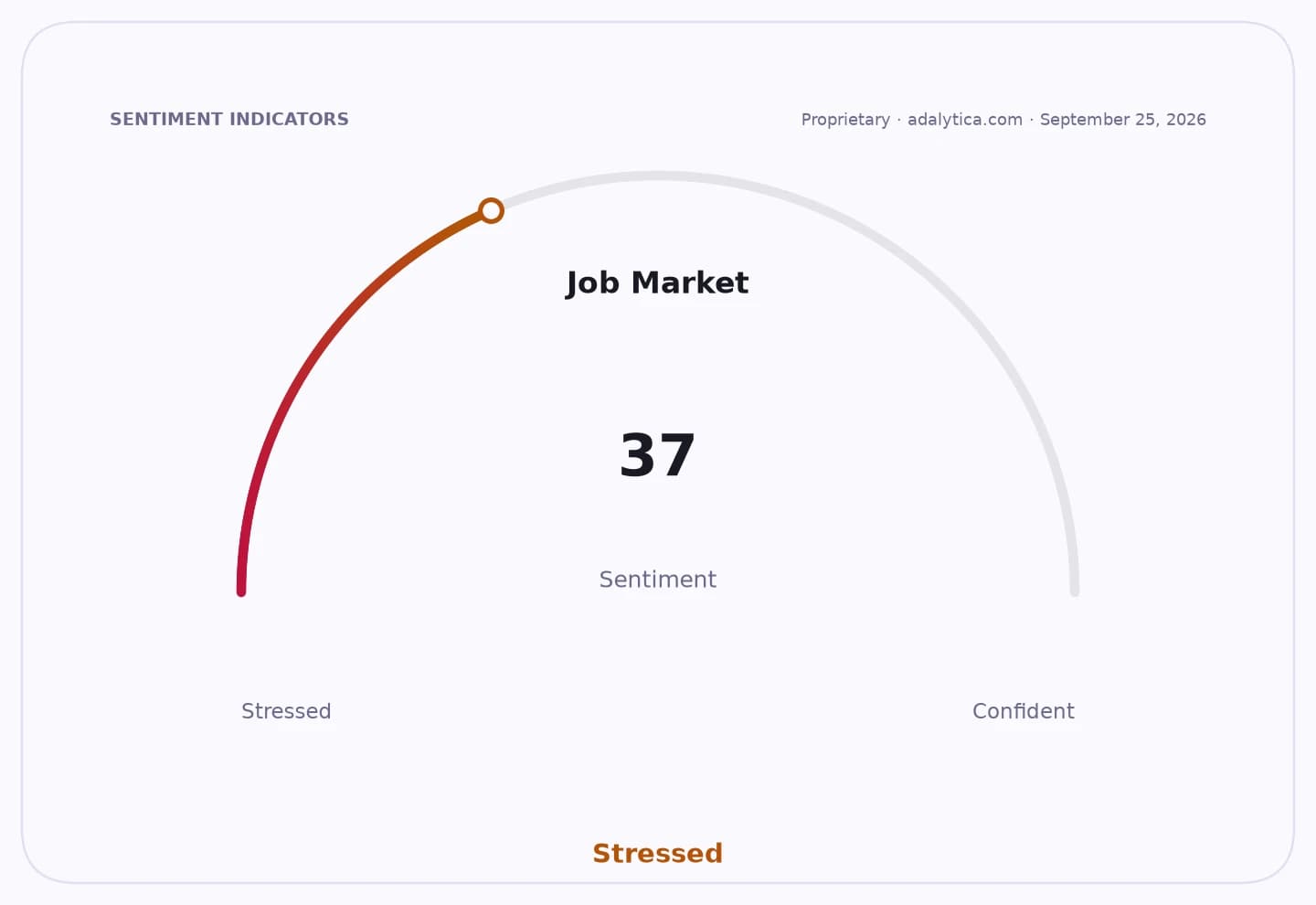
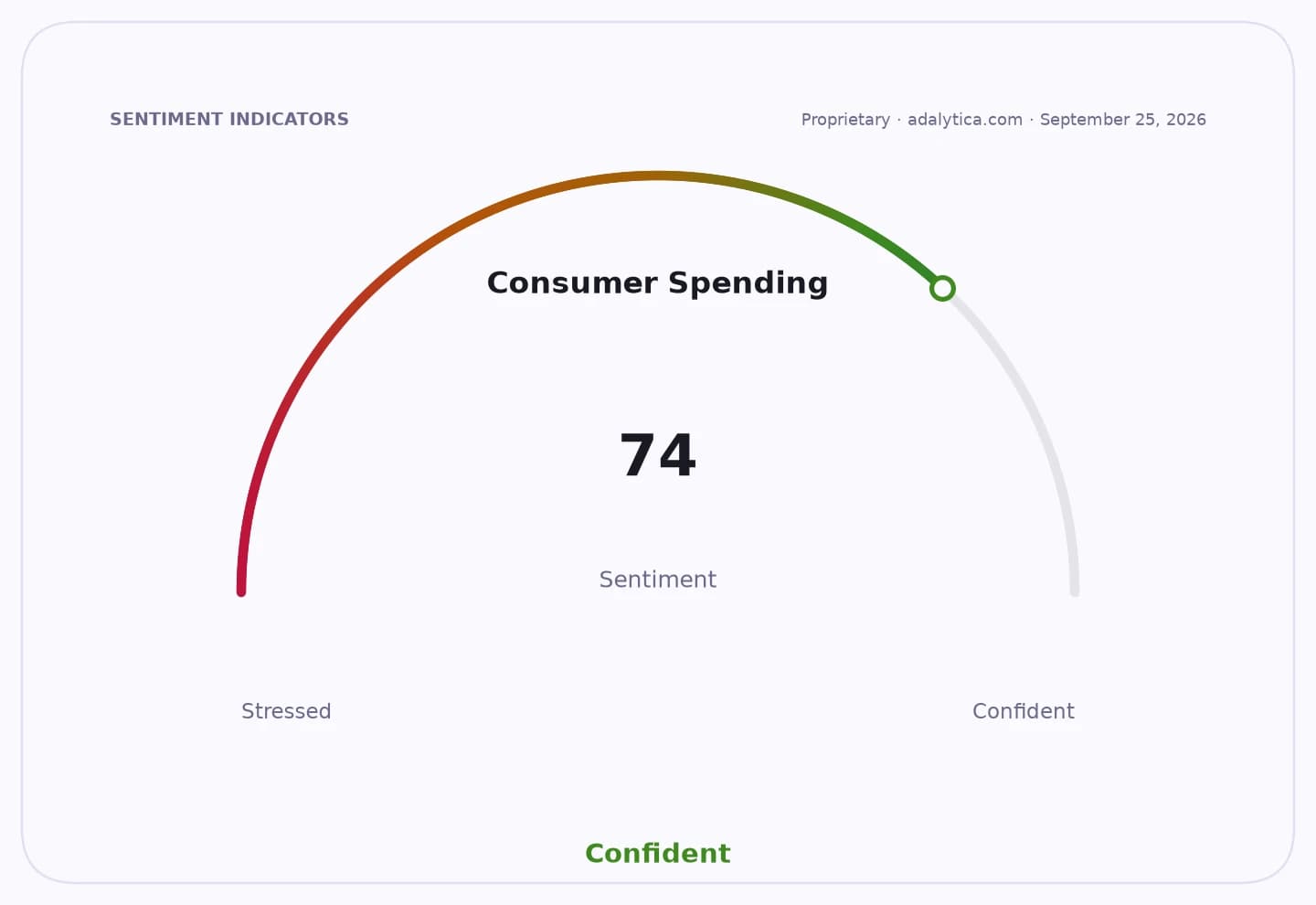
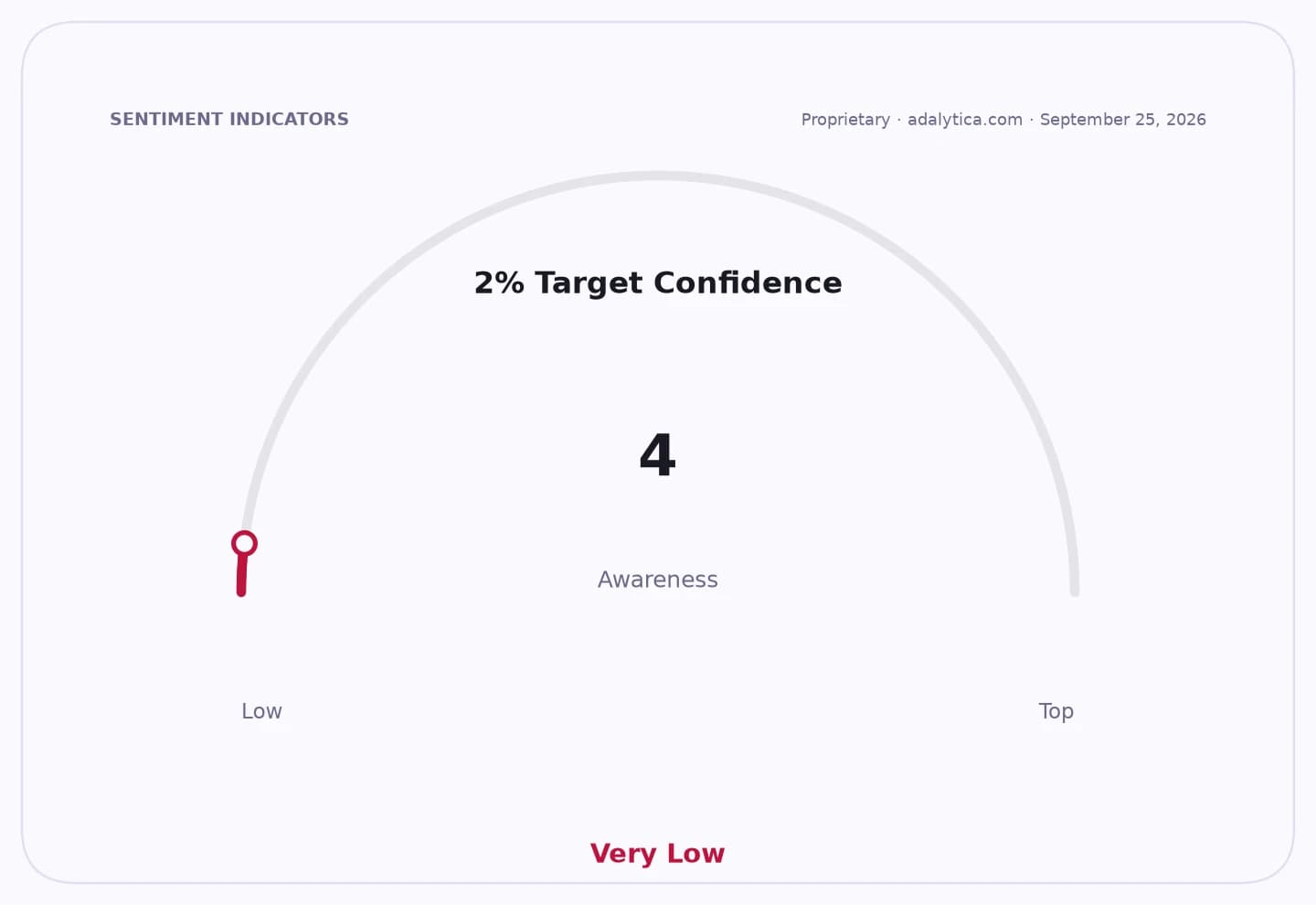
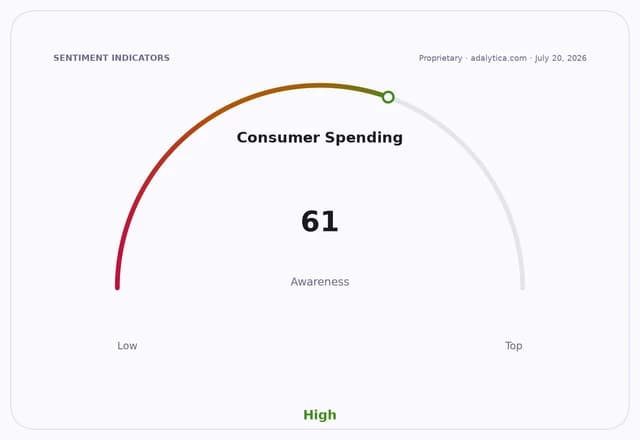
Sentiment IndicatorsⓘProprietary · adalytica.com · July 20, 2026
This is a snapshot — live sentiment, awareness and momentum for 130+ markets update continuously in the dashboard.Open AlphaPulse
Arabica prices on New York’s ICE exchange, tracked by the KC contract, have been highly volatile but remain well above historical norms. The contract recently traded around $9.54 a pound, after swinging as high as $17.92 and as low as $9.54 in the latest run of data, showing how unstable the market has become. Even after the pullback, prices are far above levels seen earlier in the cycle, when the contract was near $12 to $14, and that comes on top of a broader rise in coffee production costs captured in US producer-price data. The coffee PPI series shows a forecast of 295.8 for July, up more than 3% from the prior month, while the overall consumer-price index and personal consumption expenditure deflator remain elevated, leaving little room for coffee companies to absorb another leg higher in beans.
The pressure is not confined to roasters. Higher raw-bean costs filter into soluble coffee, pods, takeaway drinks and private-label packs, but whole beans are often the first place consumers can economize while staying inside the category. Buying beans lets households stretch value by grinding at home, which can support supermarket traffic even as café visits and premium convenience formats come under strain. That makes Lavazza’s comment important for retailers and chains alike: the consumer response to inflation is not always to stop buying coffee, but to buy it differently.
For investors, that shifts the debate from simple volume growth to mix, pricing power and elasticity. Starbucks has been trying to revive traffic and sharpen execution under its “Back to Starbucks” strategy, and its shares have recently moved back above both the 50-day and 200-day moving averages, suggesting the market is giving management some benefit of the doubt. But the company still faces a tougher backdrop if consumers trade down or cut discretionary add-ons. Coffee roasters such as J.M. Smucker, which has told investors green coffee markets remain challenging, are exposed to the same squeeze: hedges can delay the impact, but they do not eliminate it.
The bear case is straightforward. If prices stay high, the category could see downtrading, weaker premiumisation and more promotional pressure, with no guarantee that higher shelf prices fully offset the commodity shock. The bull case is that coffee remains a daily habit with relatively inelastic demand, giving the strongest brands room to pass through costs over time while value-oriented formats pick up share.
The bigger narrative is that a commodity rally is forcing a reset in one of the world’s most familiar consumer categories. If bean prices remain elevated — whether because of weather disruption, tight supply or continued strength in the futures market — the winners will be companies with sourcing scale, pricing power and disciplined hedging. The losers will be those relying on consumers’ willingness to keep paying more for convenience.
| Entity | Gains | Losses |
|---|---|---|
| Whole-bean retailers | ▲Trade-down demand | ▼Premium ready-to-drink chains |
| Large roasters | ▲Pricing leverage | ▼Margin on weak hedges |
| Cost-conscious consumers | ▲Cheaper at-home brewing | ▼Café buyers |
| Coffee growers | ▲Higher farm-gate prices | ▼Buyers facing inflation |