Coffee prices are back under pressure, with arabica futures retreating sharply after recent spikes as traders refocus on volatile supply conditions, a stronger dollar backdrop and signs that near-term demand is still fragile.
Coffee Prices Fall After Arabica Futures Rally
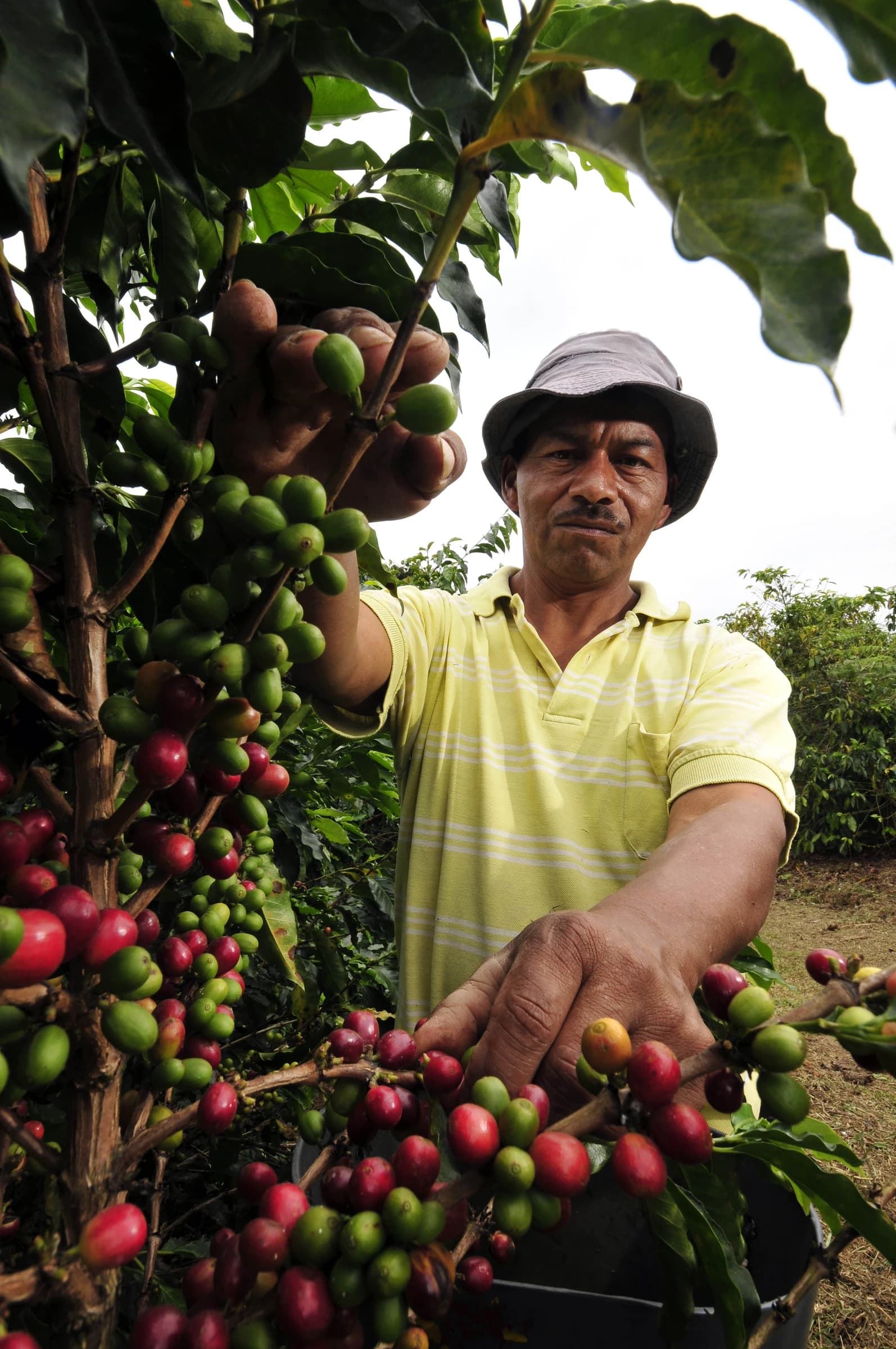
The slide matters because coffee remains one of the most sensitive agricultural markets to weather shocks, currency moves and trade policy. When prices fall after a rally, it can quickly reshape margins across the supply chain — from growers and exporters to roasters, retailers and consumer brands that have been forced to hedge more aggressively this year.
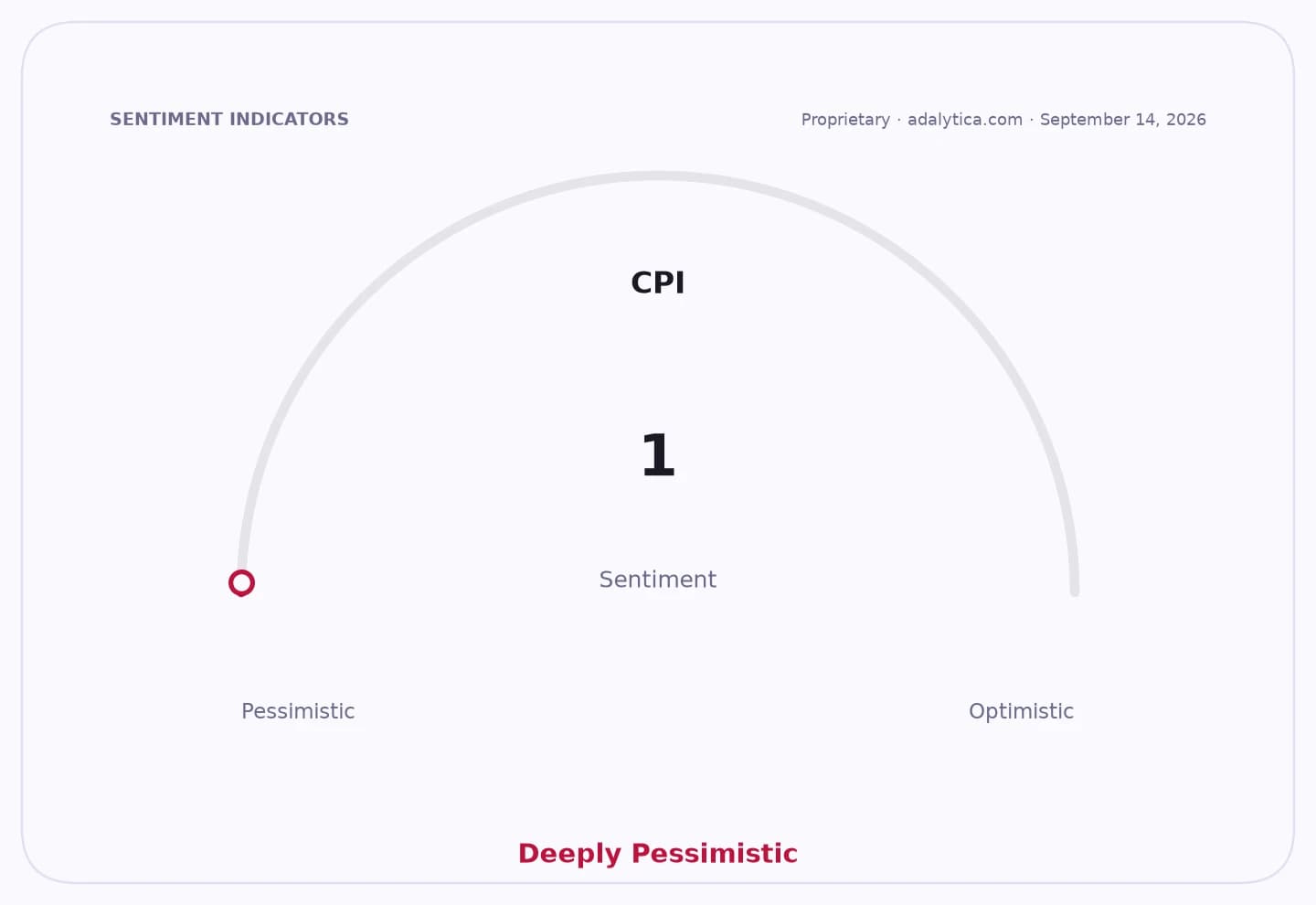
Sentiment IndicatorsⓘProprietary · adalytica.com · August 24, 2026
This is a snapshot — live sentiment, awareness and momentum for 130+ markets update continuously in the dashboard.Open AlphaPulse
Arabica futures on ICE closed at 324.9 on Aug. 21, down from 363.6 a day earlier and well below the recent intraday highs seen earlier this month. The move followed a period of extreme volatility that pushed the contract above its 50-day moving average before momentum faded. Technical readings have also cooled, with the relative strength index easing from overbought territory in early July to a more neutral 52.2, while price remains below the 200-day moving average.
That pullback is notable because the market had been pricing in tighter supplies after weather-related disruptions in Brazil and other growing regions. The latest weakness suggests traders are balancing that risk against short-term profit-taking, a softer macro tone and the possibility that elevated prices have begun to curb demand. For importers and roasters, the decline offers some relief after months of higher input costs. For producers, it raises the risk that pricing power may not last if the market continues to unwind.
The macro backdrop is also weighing on sentiment. Adalytica’s US dollar trade signals show extreme fear around the greenback, even as awareness remains elevated, a combination that can amplify commodity swings by affecting purchasing power for buyers outside the United States. Consumer spending sentiment is also deeply subdued, hinting that discretionary demand for premium coffee products may face resistance if retail prices stay high.
Companies exposed to coffee costs remain in the middle of that squeeze. Roasters and beverage makers such as J.M. Smucker, Keurig Dr Pepper and Starbucks have all highlighted coffee price volatility in recent filings, underscoring how quickly raw-bean moves can flow through to margins, hedging costs and shelf prices. For firms that locked in supply at higher levels, a rapid drop in coffee prices can also create accounting and inventory losses, even as future procurement costs fall.
The bear case is that the market is finally digesting a supply shock that was overextended in price. The bull case is that the recent decline is only a correction inside a still-tight fundamental market, with weather, policy and logistics risks capable of reigniting the rally at any time. Investors will be watching Brazil weather, export flows, the pace of fund positioning and whether the latest move extends into a broader reset for agricultural softs.
| Entity | Gains | Losses |
|---|---|---|
| Coffee roasters | ▲Lower input costs | ▼Near-term hedging losses |
| Coffee growers | ▲Strong prices earlier | ▼Revenue pressure on price drop |
| Retail coffee brands | ▲Margin relief ahead | ▼Inventory cost mismatch |
| Short-term futures sellers | ▲Price decline profits | ▼Long-only commodity funds |