Coffee prices fell on July 31 after a three-day run-up, while pepper prices steadied, a sign that some of the food-commodity inflation that has been squeezing roasters, retailers and consumers is finally cooling at the margin.
Coffee Prices Ease After Three-Day Run-Up on July 31
That matters because coffee and pepper sit deep in the consumer price chain: when raw ingredient costs swing, the impact eventually shows up in packaged food margins, menu pricing and household spending. A softer coffee market is especially important after recent volatility pushed prices back near domestic highs, forcing buyers to decide whether to absorb costs or pass them on.
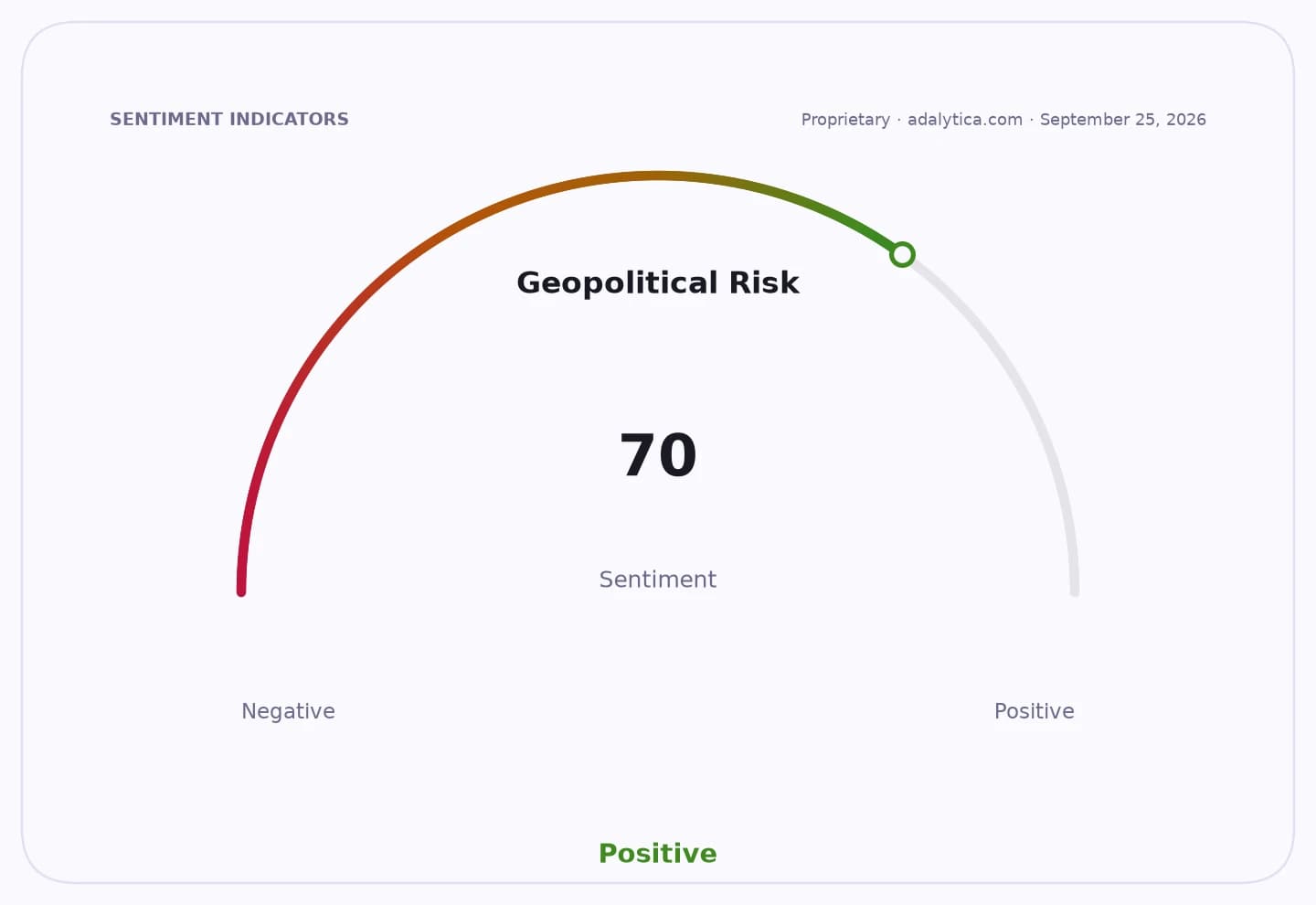
Sentiment IndicatorsⓘProprietary · adalytica.com · July 31, 2026
This is a snapshot — live sentiment, awareness and momentum for 130+ markets update continuously in the dashboard.Open AlphaPulse

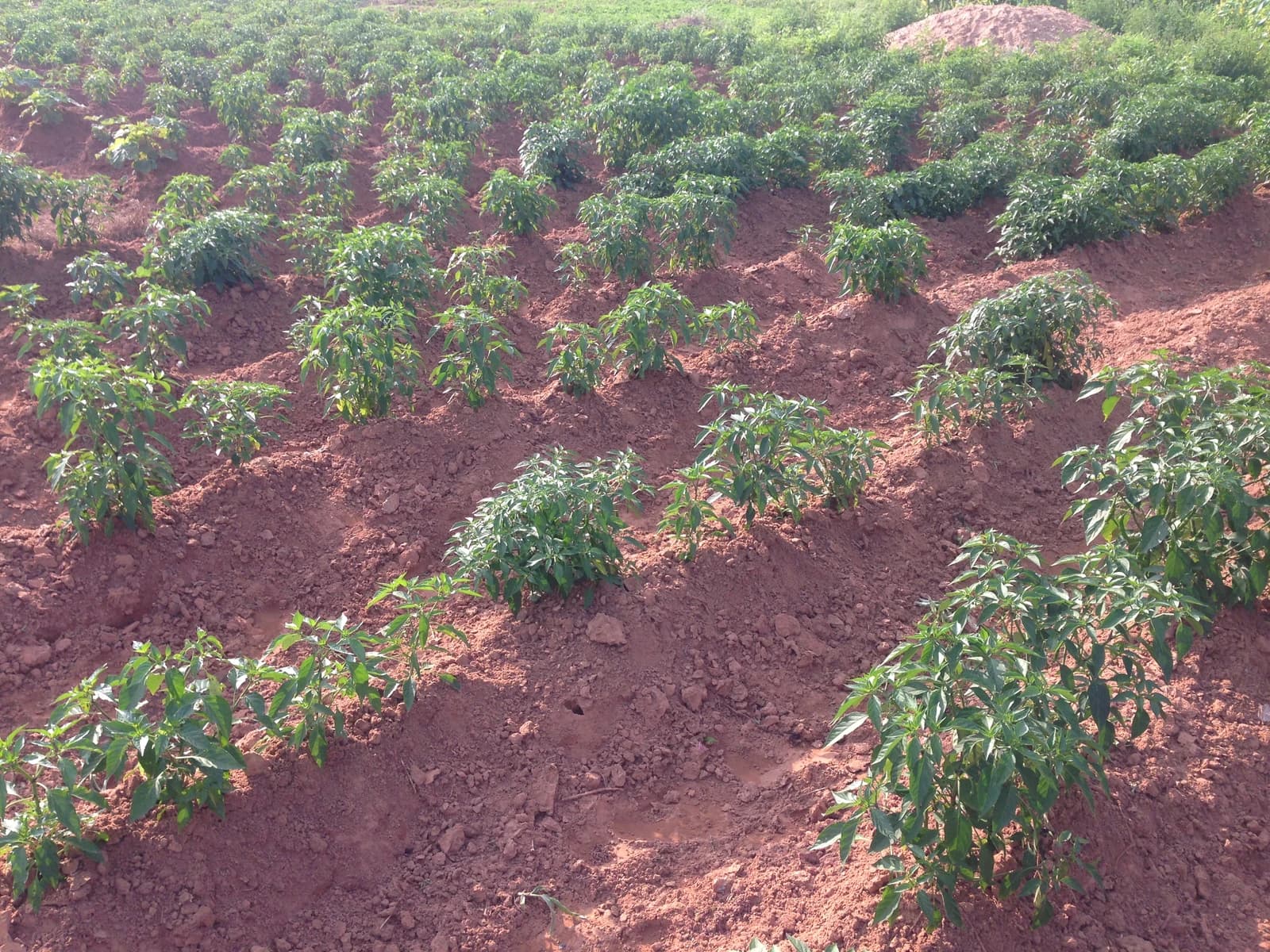
The latest move points to a market correcting after a short-term rally rather than a clean trend reversal. International coffee prices were mixed, with robusta edging higher even as arabica continued to slide. Domestic prices also eased after rising by 500 to 600 dong per kilogram earlier this week toward roughly 96,500 dong. Pepper, by contrast, has stabilized after a period of sharper price action, suggesting supply is more balanced for now.
For investors, the setup is less about the day’s tick and more about margin relief. Lower coffee input costs help roasters, beverage chains and food companies that have been living with elevated commodity bills. Starbucks and other global coffee buyers are still working through a period of cost pressure, and any sustained pullback in raw bean prices would improve pricing flexibility and profit visibility. On the other side, producers in Vietnam and other origin markets may lose some of the pricing power that supported recent gains.

The broader macro backdrop also matters. U.S. consumer-spending sentiment remains elevated, which means companies still have room to pass through some costs, but they will be judged harshly if they overreach. In that environment, a cooling in coffee prices is a welcome sign for margins and a potential tailwind for consumer discretionary spending.
My view: this is not the moment to chase every commodity swing, but it is a reminder that the next profits inflection in food and beverage may come from input-cost normalization, not just revenue growth. Investors should watch coffee-sensitive consumer names and agribusiness suppliers closely; if this easing persists, the market may be underestimating the margin upside still to come.
| Entity | Gains | Losses |
|---|---|---|
| Coffee buyers | ▲Lower input costs | ▼Less need to hedge aggressively |
| Coffee producers | ▲Price support fades | ▼Revenue pressure |
| Pepper growers | ▲Stable pricing | ▼Limited upside |
| Food & beverage companies | ▲Margin relief | ▼Pricing power eases |