Coffee prices are edging up again, with the latest read pointing to a 0.89% increase in July, as tight supply and weather disruptions continue to support the market and ripple through roasters, traders and exporters.
Coffee Prices Rise, Pressuring Beverage Margins
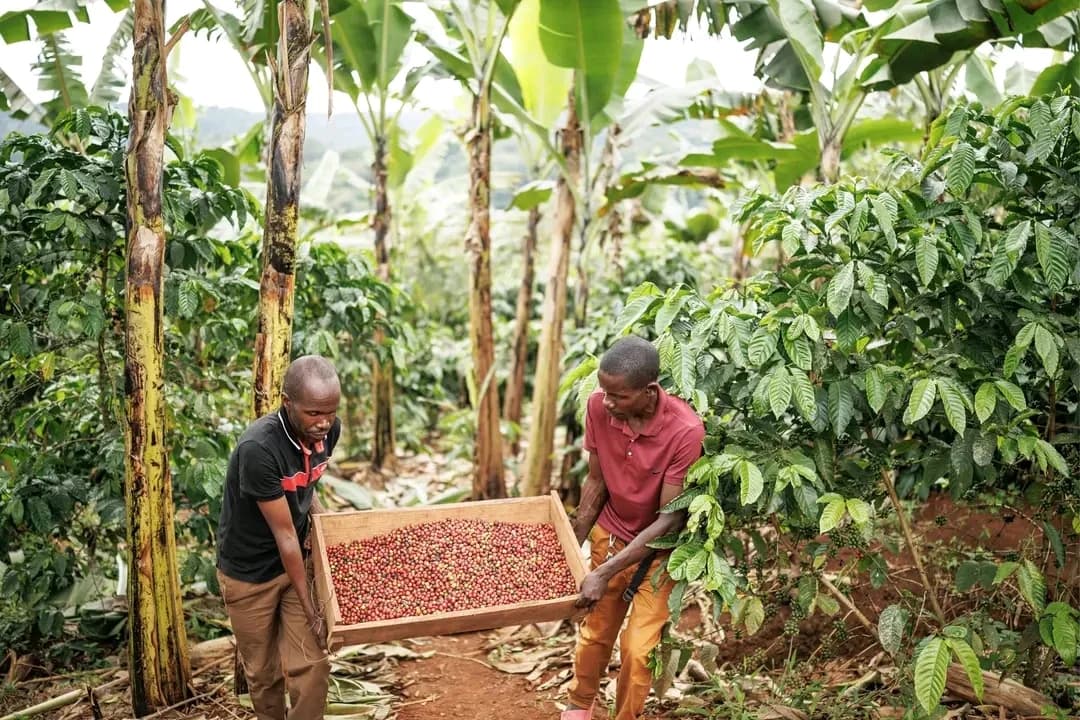
The move matters because coffee remains one of the most exposed agricultural commodities to climate shocks, and even a modest monthly rise adds to pressure on input costs for packaged-food makers, café chains and beverage groups that are already managing stubborn commodity inflation. In Vietnam’s Central Highlands, domestic coffee prices recently jumped to nearly 98,000 dong per kilogram, underscoring how the rally is filtering through key producing regions.
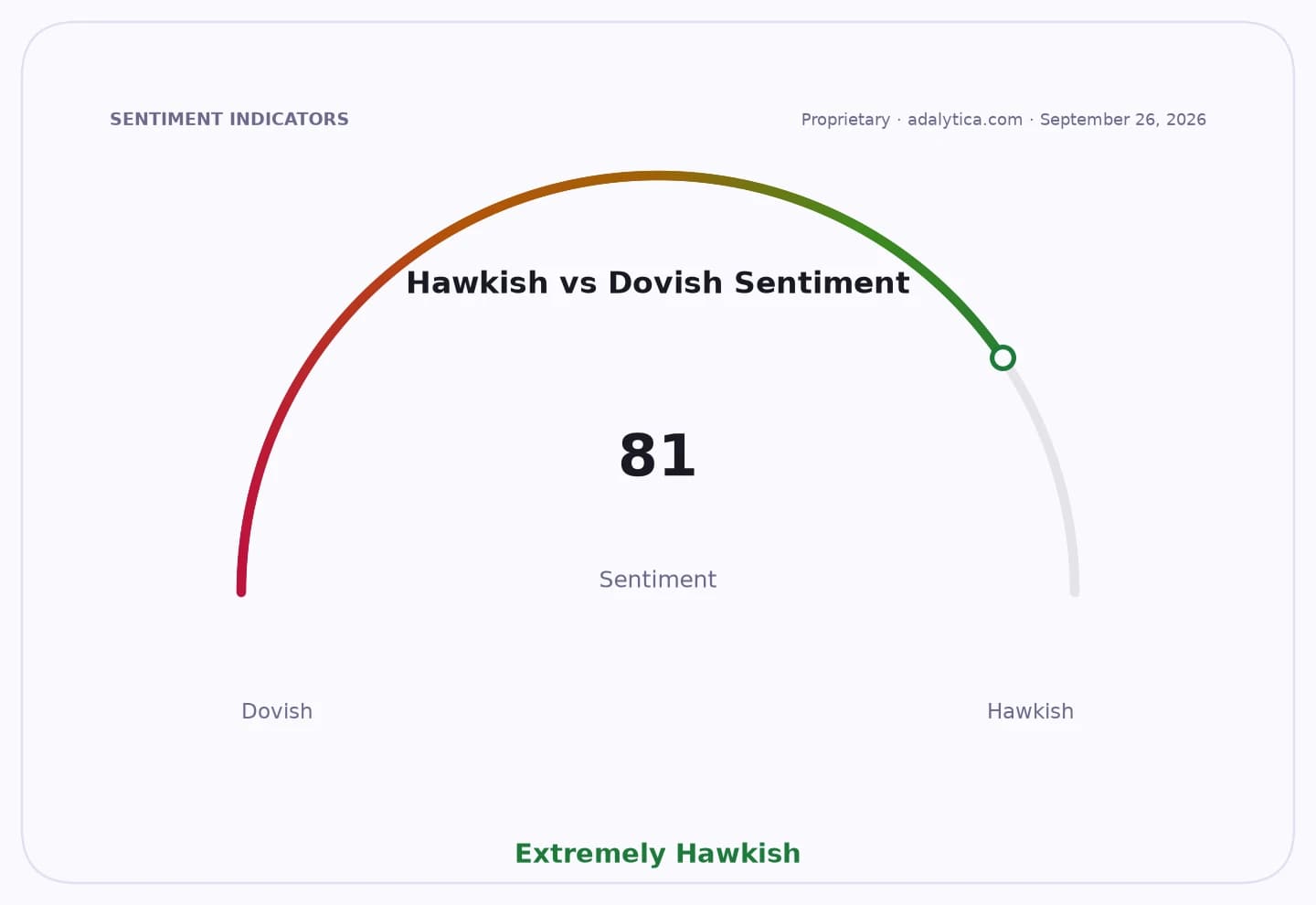
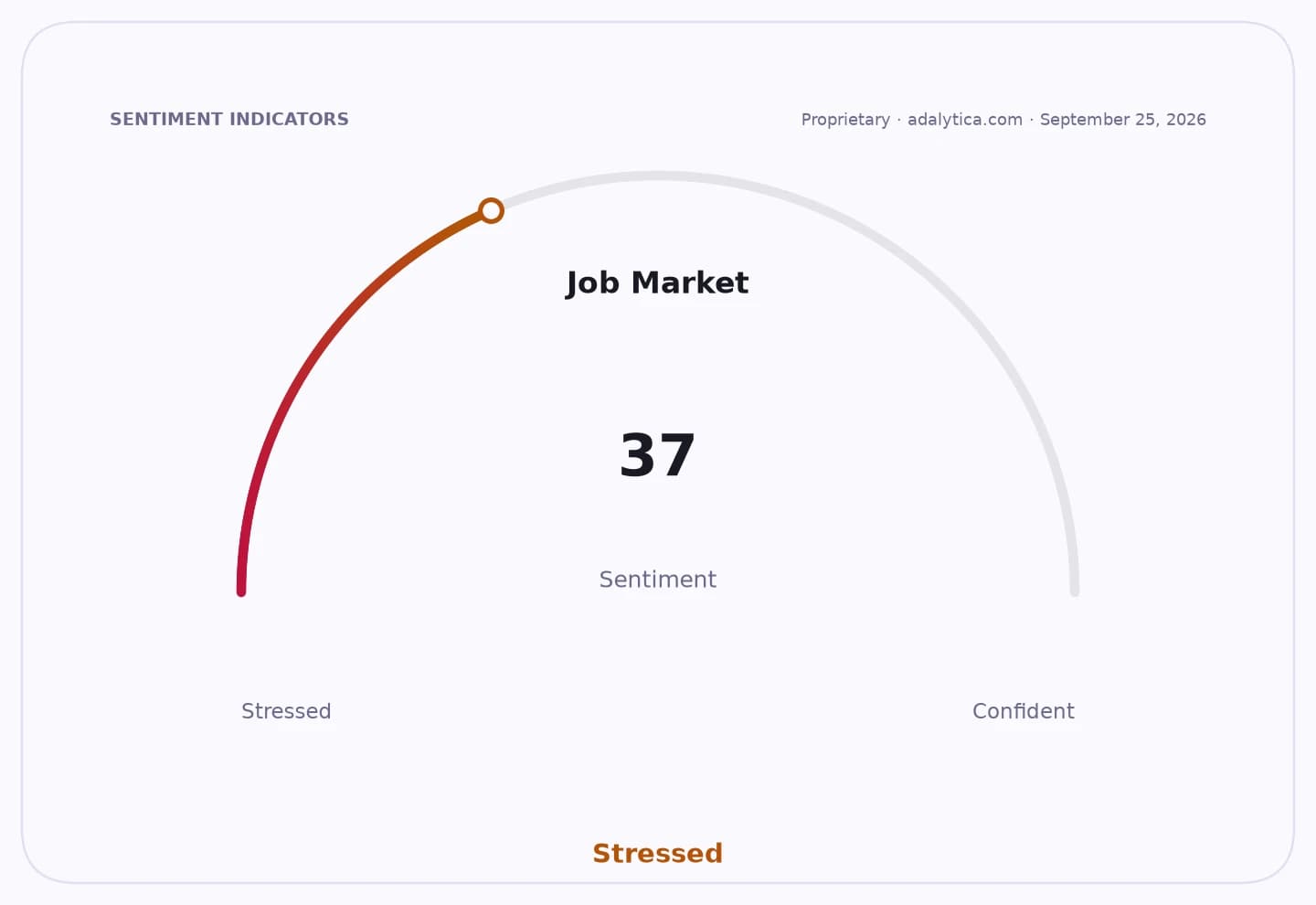
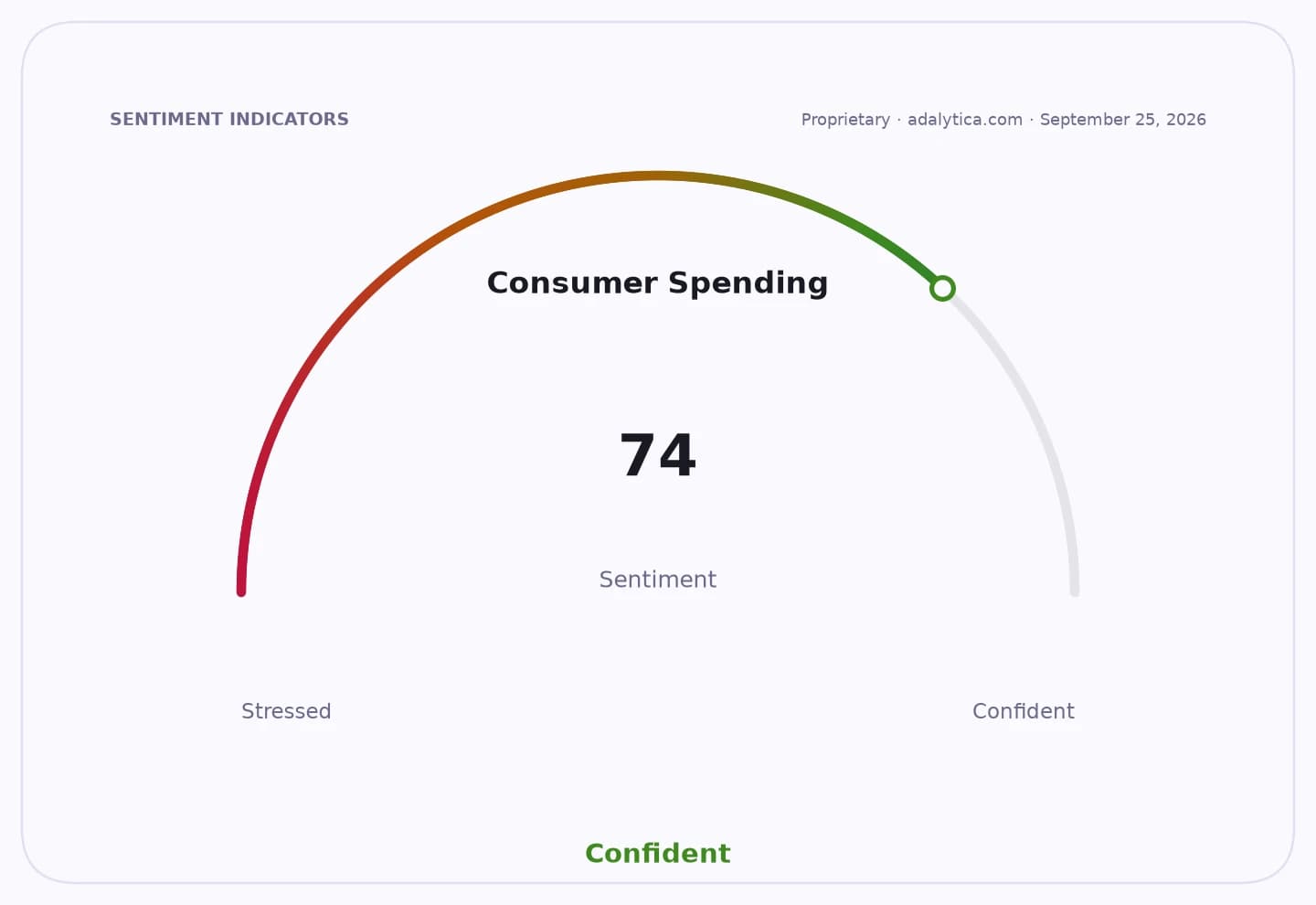
Sentiment IndicatorsⓘProprietary · adalytica.com · July 20, 2026
This is a snapshot — live sentiment, awareness and momentum for 130+ markets update continuously in the dashboard.Open AlphaPulse
The broader price backdrop is still uneven. U.S. consumer prices eased 0.42% in June after a 0.47% gain in May, but producer prices remain firmer, with the July forecast calling for a 3.14% monthly increase in the producer price index measure shown in the data. That divergence suggests upstream cost pressure is still alive even as consumer inflation cools, a mix that can squeeze margins for food and beverage companies before they fully pass through higher costs.
For investors, the implications are clearest in the names most tied to coffee beans and retail pricing. Starbucks shares have climbed to $104.81 from $102.11 earlier in July, holding above both the 50-day moving average of $102.60 and the 200-day average of $93.13, while technical readings such as RSI and MACD suggest the stock remains constructive but not overheated. J.M. Smucker, which owns coffee brands and sources green coffee globally, remains exposed to any renewed spike in bean costs.
The narrative now is one of a market that is still searching for equilibrium. If El Niño-related weather stress, Brazil output risks and tight inventories persist, coffee could stay supported into the next pricing cycle; if supply improves, the rally may fade quickly. Traders will be watching the next turn in U.S. inflation data, global crop reports and retail pricing decisions for signs of whether this “slight increase” becomes a fresh leg higher.
| Entity | Gains | Losses |
|---|---|---|
| Coffee growers/exporters | ▲Higher selling prices | ▼Volume risk if demand weakens |
| Roasters and café chains | ▲Existing hedges | ▼Margin pressure from bean costs |
| Consumers | ▲None | ▼Higher retail coffee prices |
| Starbucks/J.M. Smucker | ▲Pricing power if pass-through holds | ▼Higher input costs if prices keep rising |