Coffee in Serbian stores is heading higher, and that’s not just a grocery-bill story — it’s a reminder that one of the world’s most traded soft commodities remains vulnerable to sharp supply shocks, speculative swings and the kind of price pressure that can ripple from farms to branded consumer goods.
Coffee Prices Pressure Consumers and Brands
The key issue is simple: when green coffee gets more expensive, roasters, distributors and retailers usually have no choice but to pass at least part of that cost on to shoppers. That matters in Serbia, where coffee is a daily habit and a small increase at the wholesale level can quickly show up on supermarket shelves, in cafés and in vending machines.
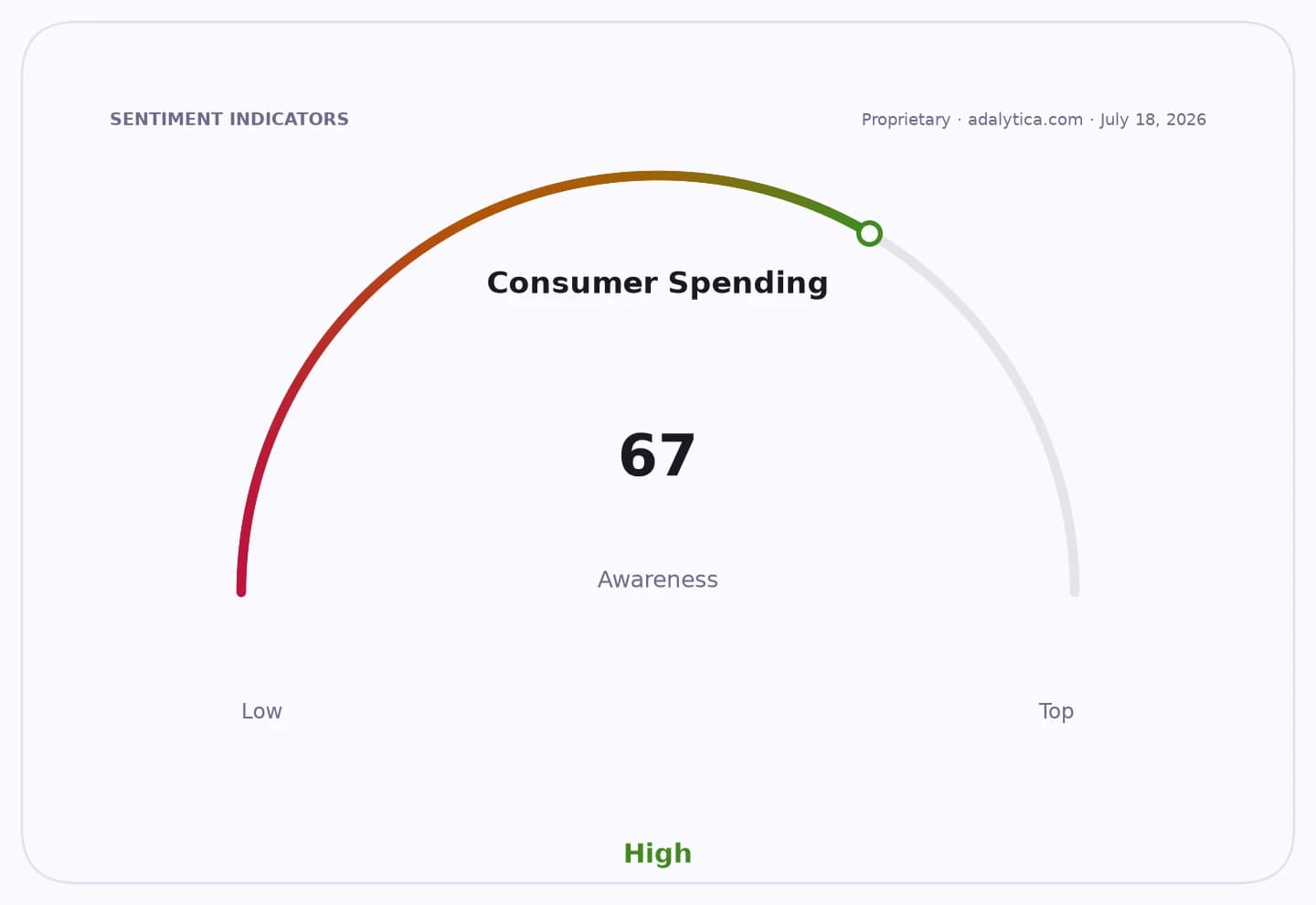
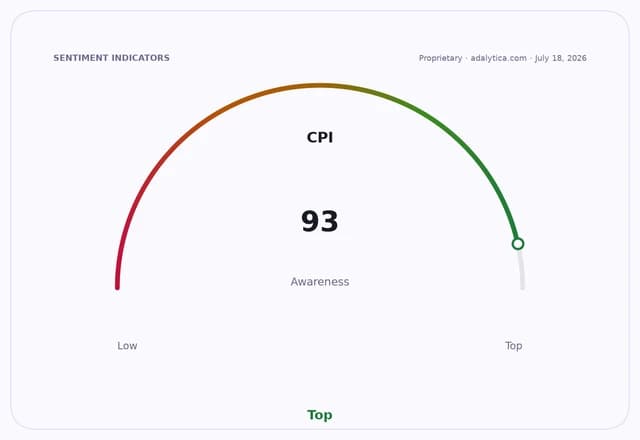
Sentiment IndicatorsⓘProprietary · adalytica.com · July 18, 2026
This is a snapshot — live sentiment, awareness and momentum for 130+ markets update continuously in the dashboard.Open AlphaPulse
Global coffee markets are still unstable. Recent trading showed robusta prices jumping in Ho Chi Minh City while arabica pulled back, a sign that the market is being pushed around by weather fears, export shifts and speculative positioning rather than by calm fundamentals. Those kinds of swings are exactly why coffee companies keep warning that input costs can stay elevated for longer than consumers expect.
The macro backdrop is not helping. The data show coffee producer prices in the U.S. climbing to 286.827 in June, with a forecast rise to 295.8433 in July, while the broader consumer price index is also running hot. That combination tells you two things: first, the commodity side is still under pressure; second, there is room for firms to keep raising retail prices if they need to protect margins.
For investors, that creates a classic split. Consumer-facing companies with weak pricing power get squeezed when raw materials rise. Companies with strong brands, loyal customers and efficient supply chains are better positioned to defend profits. That is why large beverage groups and coffee brands pay so much attention to hedging, inventory timing and pack-size adjustments — not because those tools eliminate inflation, but because they buy time.
The latest industry commentary suggests the squeeze is not over. Coffee and even chocolate are both being flagged for possible price increases later in the year, which points to a broader theme: food and beverage inflation can reaccelerate in pockets even when headline inflation looks manageable. For households, that means less spending power. For retailers, it means tougher pricing decisions. For producers and distributors, it means more volatility but also more opportunity to pass through costs if demand holds up.
Investors should not treat this as a one-month spike. Coffee is a long-cycle commodity, and the real story is compounding pressure from weather, logistics and demand. If you own consumer staples or beverage stocks, the question is not whether prices move week to week — they always do — but whether management can keep margins intact over the next several years. That is where the real investment case lives. Worth watching, and worth keeping on the long-term watchlist.
| Entity | Gains | Losses |
|---|---|---|
| Coffee growers | ▲Higher selling prices | ▼Volatility risk |
| Roasters/retailers | ▲Ability to pass through costs | ▼Margin pressure |
| Serbian consumers | ▲None | ▼Higher grocery bills |
| Brand leaders with pricing power | ▲Better margin defense | ▼Smaller rivals |




