Coffee is getting more expensive in Ukraine’s supermarkets as global bean prices remain high, with the squeeze threatening to keep retail inflation sticky even as some other commodity costs ease.
Coffee Prices Rise in Ukraine as Arabica Rebounds
The biggest driver is the cost of arabica, the benchmark coffee used widely in packaged and instant products. Arabica futures on ICE have recovered sharply from the spring slump, closing at 340.1 cents a pound on Aug. 12, after trading as low as 286.1 cents in April and briefly spiking above 430 cents last September. The 50-day moving average at 305.85 cents and a relative strength index of 64.5 show the market has rebuilt momentum, even if it is still below its 200-day moving average of 326.37 cents.
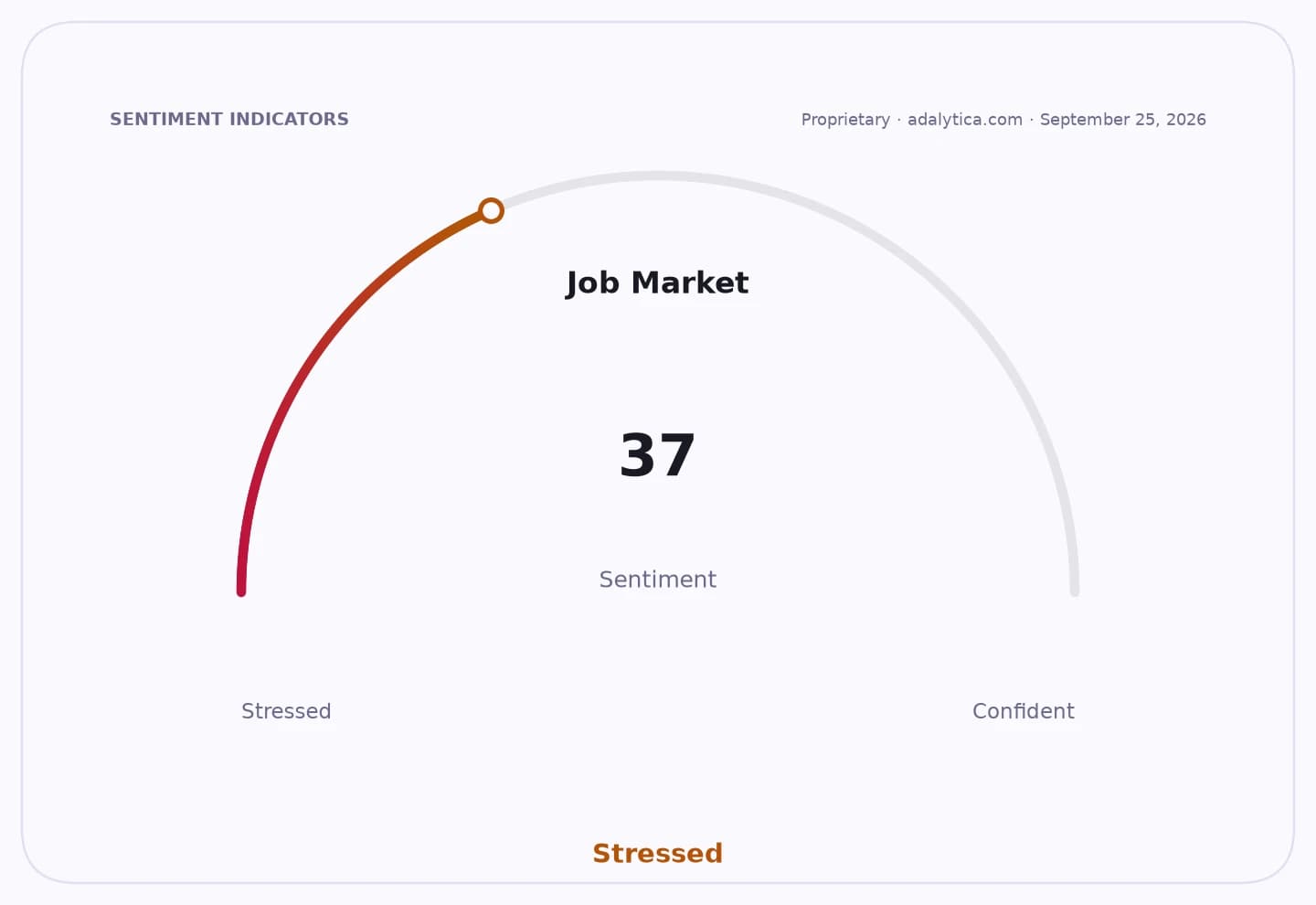
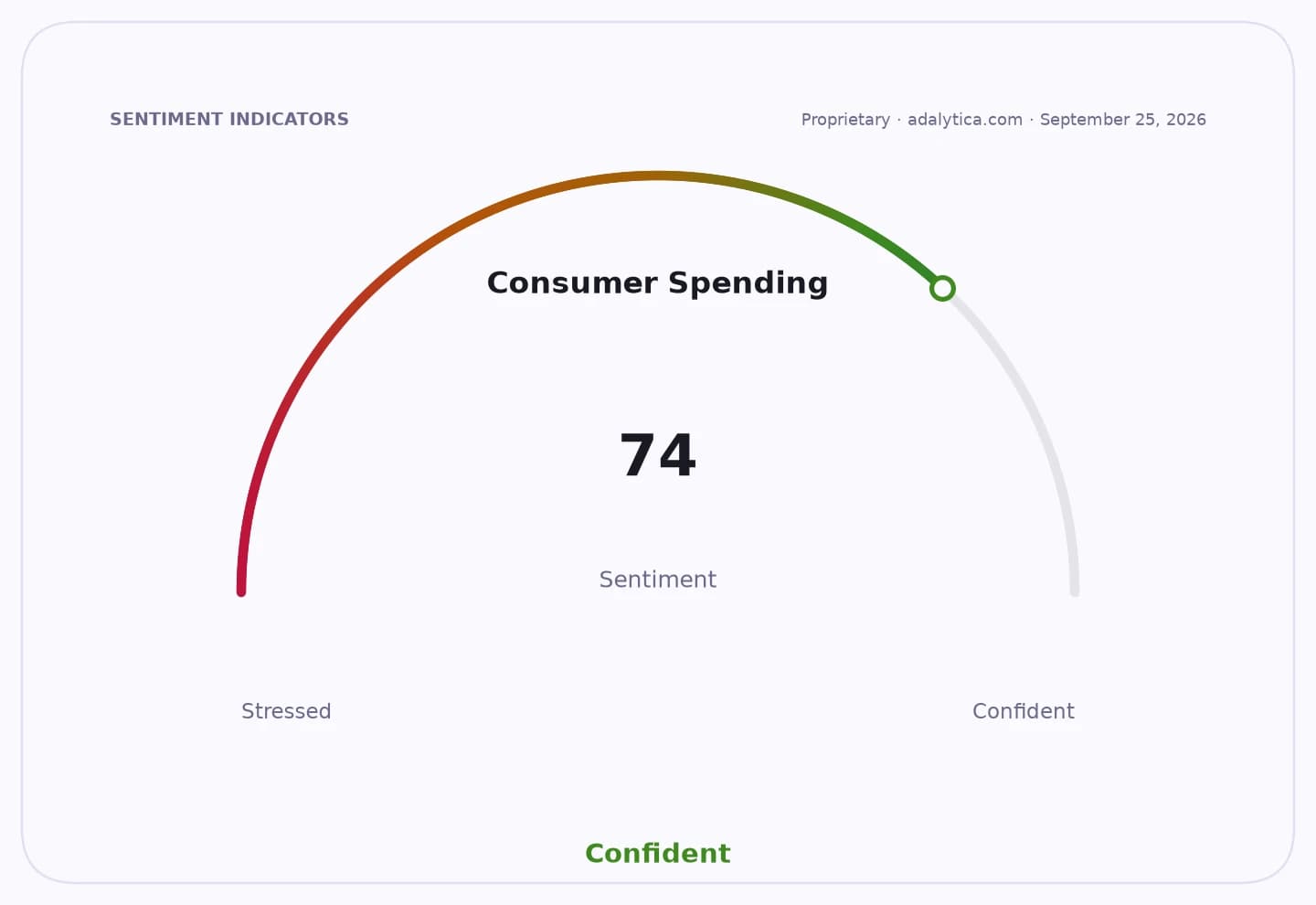
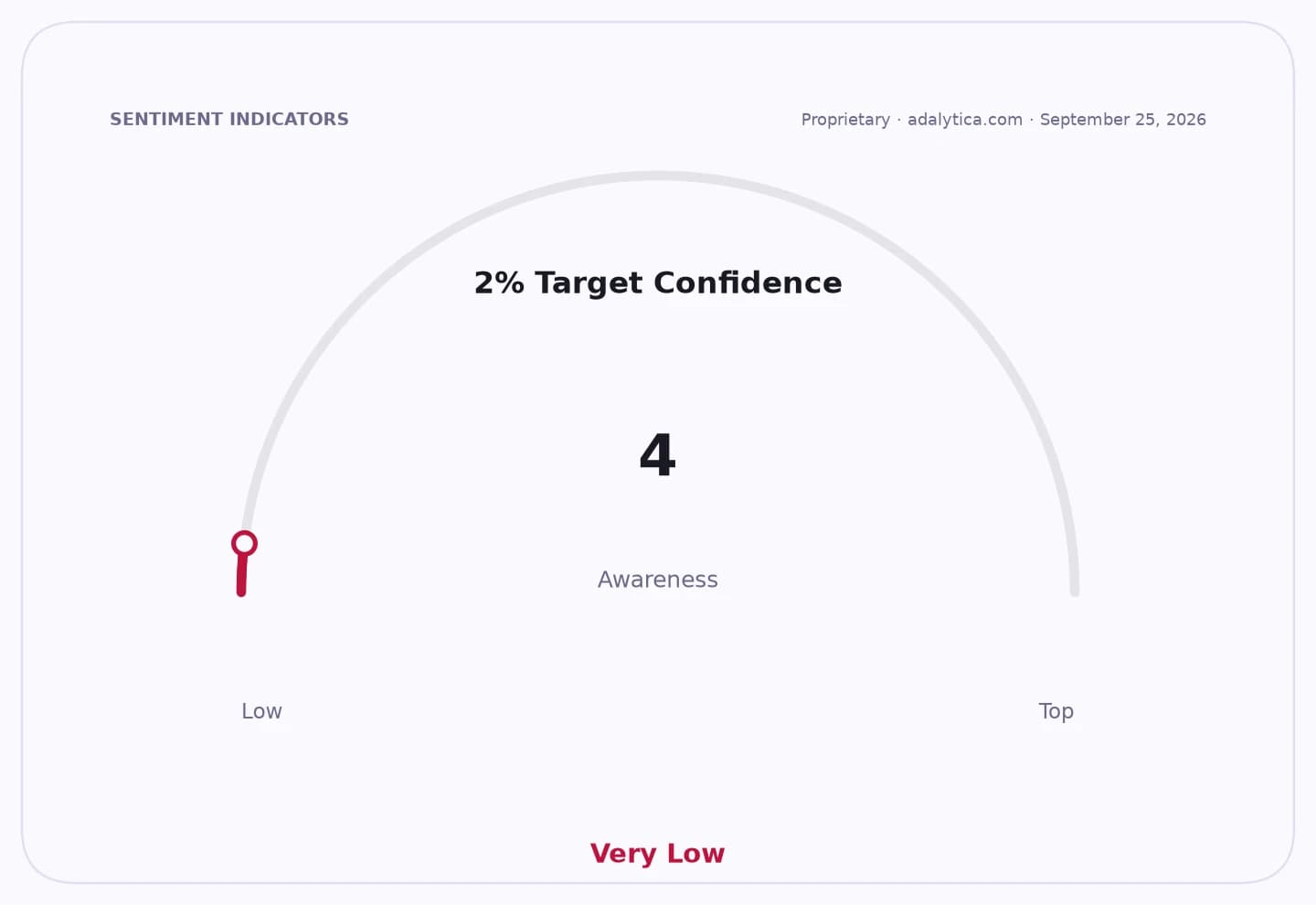
Sentiment IndicatorsⓘProprietary · adalytica.com · August 14, 2026
This is a snapshot — live sentiment, awareness and momentum for 130+ markets update continuously in the dashboard.Open AlphaPulse
That matters for Ukraine because supermarkets tend to pass through commodity swings with a lag. Rising import costs feed directly into household budgets at a time when shoppers are already sensitive to food inflation and currency-related price pressure. Coffee is not a staple in the same way as bread or oil, but it is a high-frequency purchase, which makes changes visible quickly on store shelves and can weigh on consumer sentiment.
Other macro inputs are providing only partial relief. Brent crude has eased to about $84.77 a barrel from a recent peak above $109 in May, which may eventually help freight and packaging costs. But producer-price and consumer-price trends in the broader data show inflationary pressure has not fully disappeared, leaving import-dependent goods exposed when commodity markets tighten.
For investors, the trend supports pricing power for global coffee brands and roasters while keeping pressure on retailers and packaged-food companies that lack room to absorb higher green coffee costs. Starbucks shares have climbed to $108.55, and Keurig Dr Pepper ended at $31.12, but both companies still face raw-material volatility that can compress margins if retailers resist higher shelf prices. Coffee futures volatility also matters for hedged buyers: when prices reverse quickly, derivative losses can offset some procurement protection.
The near-term question is whether arabica can hold above the 50-day average or slip back toward the low-300s. For Ukraine shoppers, that will help determine whether supermarket coffee prices keep climbing into the autumn; for investors, it remains a test of how much cost inflation coffee brands and retailers can pass through before demand starts to soften.
| Entity | Gains | Losses |
|---|---|---|
| Coffee growers / exporters | ▲Higher selling prices | ▼None near term |
| Starbucks, KDP and other roasters | ▲Ability to pass through costs | ▼Margin pressure from volatile beans |
| Ukrainian supermarkets | ▲Potential higher shelf revenue | ▼Slower volume if shoppers trade down |
| Ukrainian consumers | ▲None | ▼Higher household spending on coffee |