Colombia’s outgoing government has proposed a 2027 spending budget of $179.6 billion, a plan that underscores the tension between a widening set of public needs and a narrow fiscal runway.
Colombia 2027 budget proposed at $179.6 billion

The budget proposal matters because it arrives as the state is being asked to do more, not less: cushion the economic hit from El Niño, manage water shortages across more than 550 municipalities, and preserve confidence in a country where borrowing costs and external funding remain central to the fiscal equation. For investors, the headline number is less important than the policy signal — whether Bogotá can finance spending without putting additional pressure on debt metrics, the peso and local asset valuations.
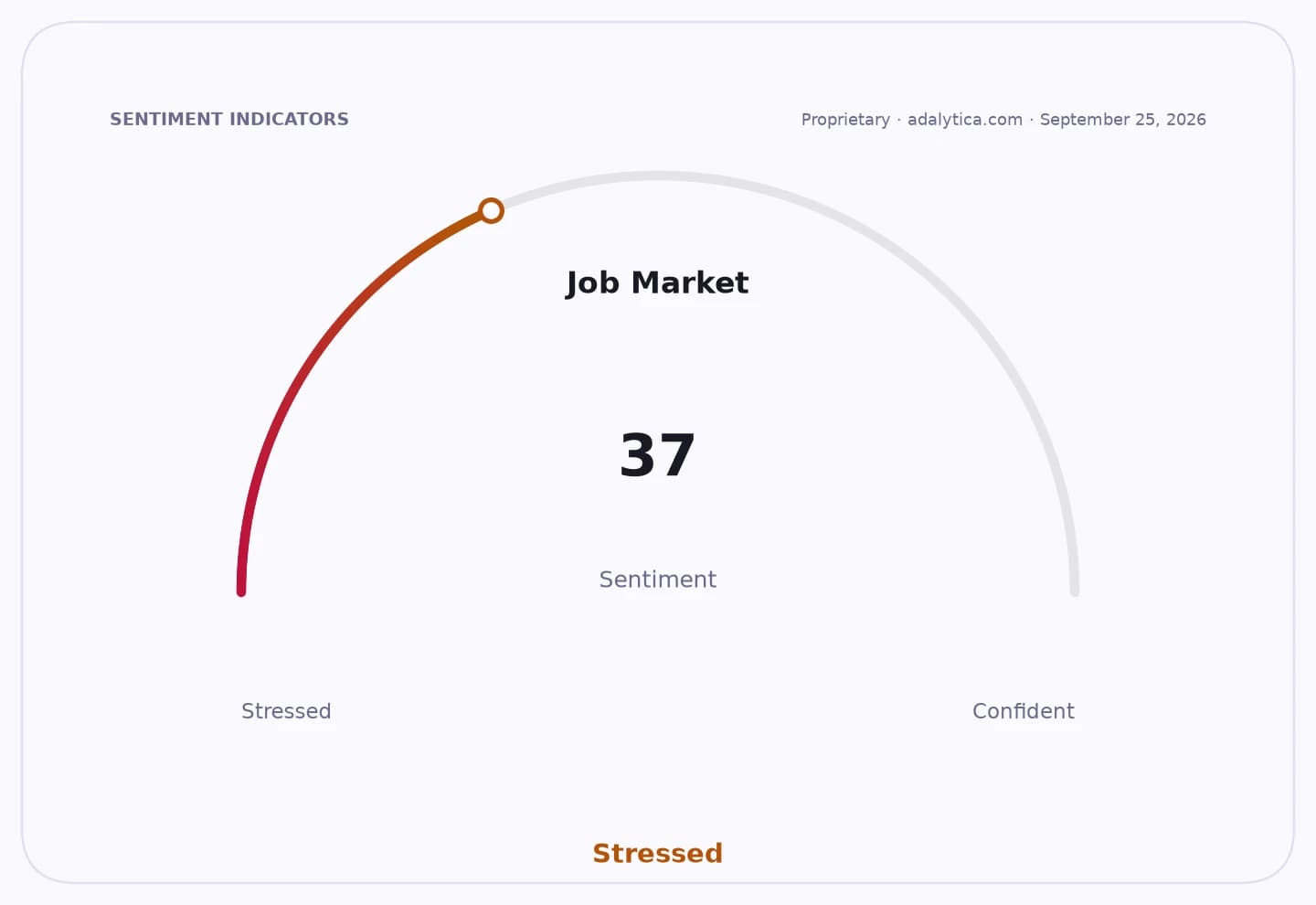
Sentiment IndicatorsⓘProprietary · adalytica.com · July 30, 2026
This is a snapshot — live sentiment, awareness and momentum for 130+ markets update continuously in the dashboard.Open AlphaPulse
The budget comes as Colombia is leaning on regional and international support. The Latin American Development Bank has approved nearly $9 billion in funding for the country, while U.S. Treasury Secretary backing for the incoming administration has helped anchor expectations that Colombia will keep access to external financing. That support is crucial because any large spending plan must be reconciled with a government that is facing social demands, climate-related contingencies and a politically sensitive transition.
The fiscal backdrop is already complicated by the broader macro shock from El Niño. Water shortages can hit agriculture, hydropower generation and local consumption, with second-round effects on inflation and growth. If the state is forced to spend more on emergency relief and infrastructure resilience, it may have less room for other priorities unless it raises revenue or trims elsewhere. That is the central investor question: whether the 2027 budget is a growth-supportive public investment plan or another step toward tighter fiscal constraints.
Market signals have been constructive on Colombian risk assets, but not without signs of overheating. Colombia’s ETF has risen sharply in recent months, with GXG and CIB both trading well above their 50-day moving averages and near the upper end of their Bollinger Bands, while RSI readings point to stretched momentum. EC, another Colombia-related fund, has also recovered strongly, though its pace has been more uneven. That kind of price action suggests investors are already pricing in better political and financing visibility — leaving less margin for disappointment if the budget raises questions about deficit discipline.
The bull case is that a larger budget could support spending on resilience, infrastructure and social stability at a time when the economy needs a cushion. The bear case is that without credible financing plans, the proposal risks aggravating concerns about fiscal slippage just as Colombia depends on external support and markets are rewarding the country for improved stability. The next catalyst will be how Congress treats the plan — and whether the government pairs it with credible revenue measures, spending priorities and financing assumptions that can satisfy both lawmakers and bondholders.
| Entity | Gains | Losses |
|---|---|---|
| Colombian government | ▲Policy room | ▼Fiscal flexibility |
| Congress | ▲Budget leverage | ▼Political cover |
| Local bondholders | ▲Spending support | ▼Debt-risk premium |
| Colombia ETFs/longs | ▲Momentum trades | ▼If deficit worries rise |