Colombia’s attempt to reactivate infrastructure investment is running into a familiar macroeconomic wall: inflation and borrowing costs remain high enough to squeeze project economics, raise financing risk and delay decisions by developers, lenders and the state.
Colombia Infrastructure Faces High-Rate Headwinds
That matters because infrastructure is one of the few levers available to support growth, job creation and export competitiveness at a time when Colombia is trying to broaden activity beyond hydrocarbons. But when benchmark rates stay elevated, the cost of capital rises across the chain — from syndicated bank loans and project bonds to contractor working capital — making toll roads, ports, power lines and logistics projects harder to structure at acceptable returns.
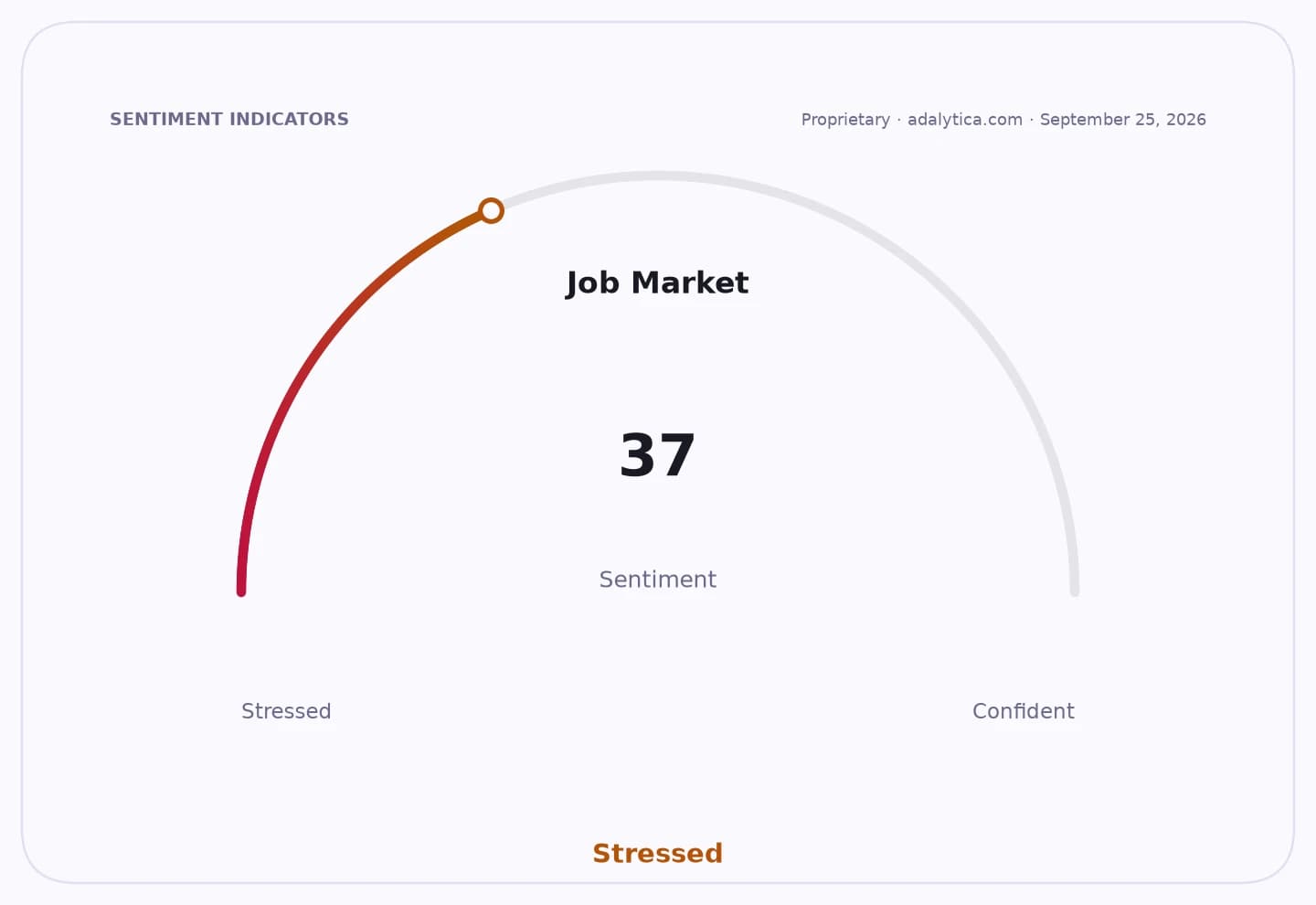
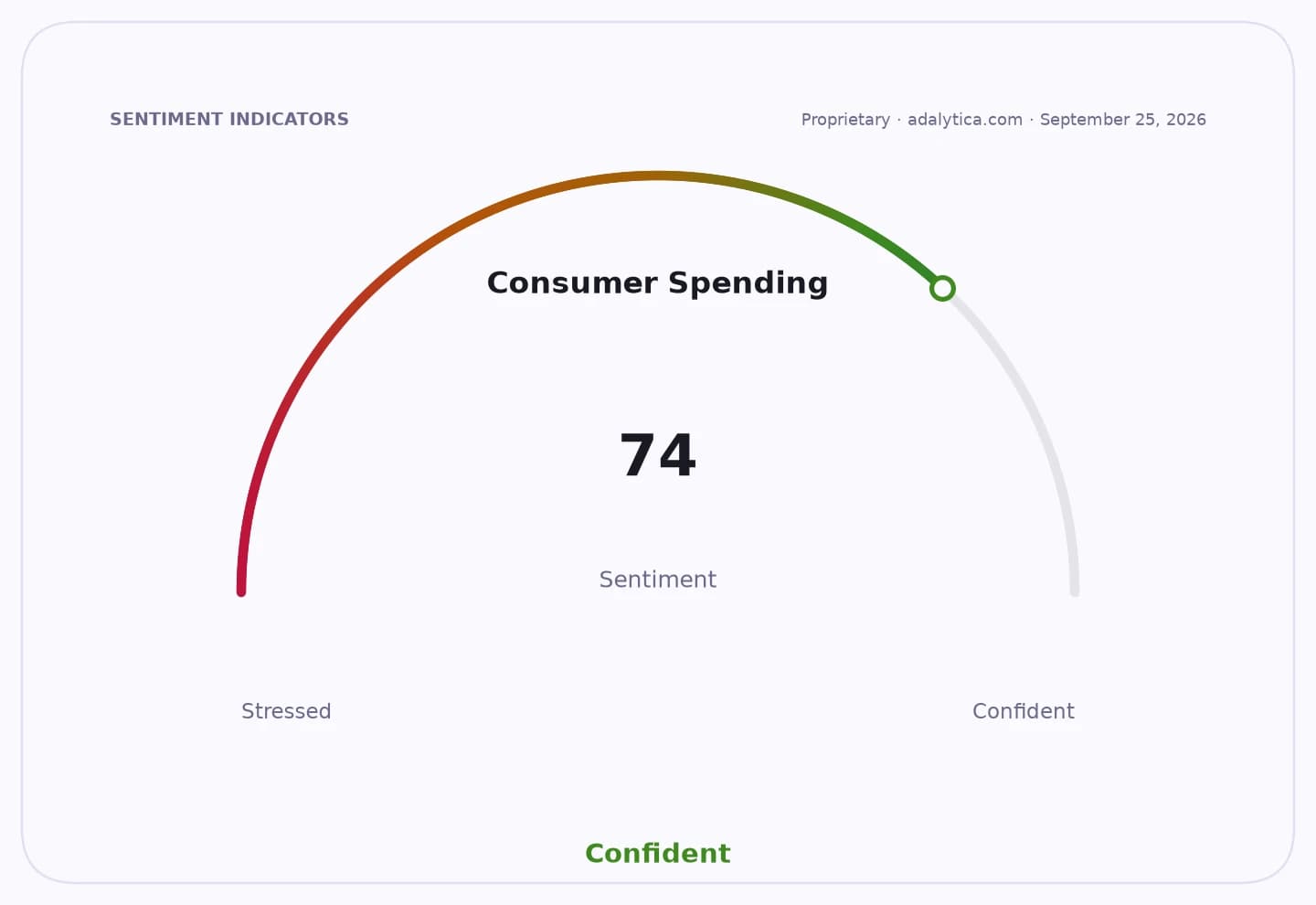
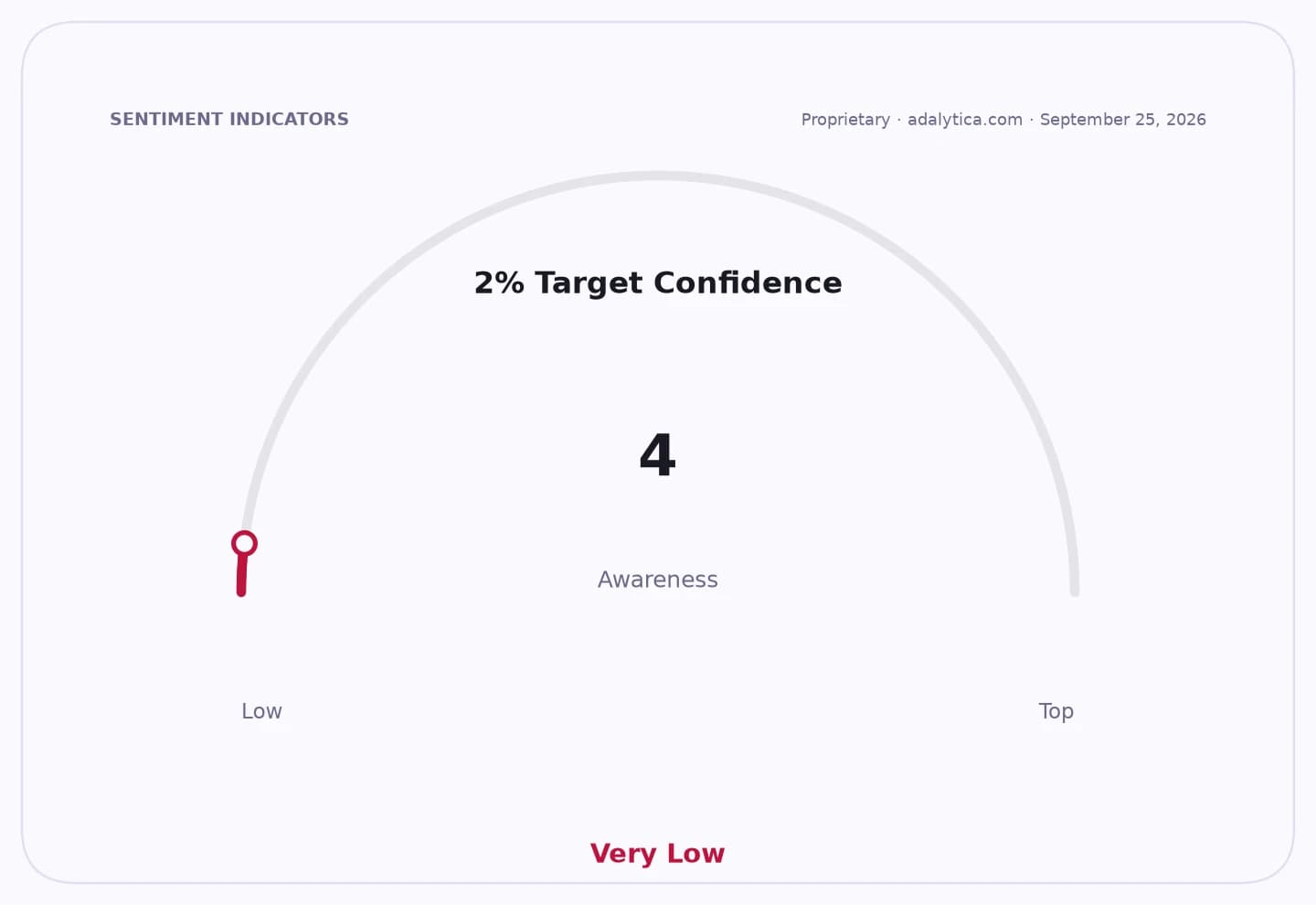
Sentiment IndicatorsⓘProprietary · adalytica.com · July 23, 2026
This is a snapshot — live sentiment, awareness and momentum for 130+ markets update continuously in the dashboard.Open AlphaPulse
The pressure is visible in Colombia’s broader rate environment. The U.S. 10-year Treasury yield is around 4.64%, a reminder that global long-term funding costs have reset materially higher than in the easy-money era, while the Federal Reserve’s policy rate is still projected near 3.63%. For emerging markets such as Colombia, that global backdrop tends to keep dollar funding expensive and leaves little room for local authorities to ease financing conditions aggressively without reigniting inflation or pressuring the peso.
Inflation is also still part of the problem. U.S. consumer prices are running well above pre-pandemic norms, underscoring how sticky price pressures have become in major economies. In Colombia, that dynamic feeds through to imported equipment, fuel, steel, labor and debt service costs, all of which can push project budgets above original estimates. Even if demand for infrastructure is intact, higher rates can destroy the timing economics that make public-private partnerships and concession models viable.
For investors, the issue is less about whether Colombia needs infrastructure — it clearly does — and more about whether returns can compensate for the higher discount rate now applied to long-duration assets. When financing costs rise faster than toll revenue, regulated tariffs or government support, equity IRRs compress and refinancing risk increases. That tends to favor projects with hard-dollar revenues, quick cash conversion or explicit sovereign backing, while leaving brownfield concessions, greenfield transport assets and highly leveraged contractors more exposed.
Market behavior suggests investors are still willing to own Colombia-linked assets, but with caution. COP, the oil major that is often treated as a proxy for Colombian risk appetite, has rallied sharply and trades well above its 50-day and 200-day moving averages, with a strong RSI reading that points to momentum. EWC, the iShares MSCI Canada ETF, is less directly relevant but similarly shows resilience in resource-heavy risk assets. Those technical readings imply capital is not fleeing emerging and commodity-linked exposures altogether — but it is being selective, preferring cash-generative names over capital-intensive domestic builds.
The more important narrative is that Colombia’s infrastructure restart depends not just on political will, but on whether macro conditions allow financing to clear. If inflation cools and policy rates eventually come down, delayed projects could come back to market quickly, especially in transport and energy transmission. If they do not, the country risks a slower investment cycle, weaker productivity gains and a continued reliance on sectors such as oil, mining and agriculture to do the heavy lifting in exports.
For now, the message to investors is straightforward: Colombia’s infrastructure opportunity remains intact, but the hurdle rate has risen. Until inflation eases and interest rates fall enough to restore project bankability, the reactivation story is likely to stay more promise than pipeline.
| Entity | Gains | Losses |
|---|---|---|
| Lenders | ▲Higher yields | ▼Lower deal flow |
| Developers | ▲Delayed commitments | ▼Higher financing costs |
| Government | ▲Fiscal caution | ▼Slower infrastructure rollout |
| Existing cash-rich operators | ▲Relative attractiveness | ▼Greenfield competitors |