Colombia’s minimum wage debate is already shaping up as one of the country’s most important economic battles for 2027, with Davivienda analysts projecting an 8.5% increase that would lift the monthly floor by 148,827 pesos. For investors, the number matters because it sits at the intersection of household purchasing power, inflation, formal hiring and corporate margins — the same forces that tend to move consumption, credit quality and earnings in Colombia.
Colombia Minimum Wage Seen Rising 8.5% in 2027

Under Davivienda’s estimate, the increase would reflect expected inflation of 6.91% at the end of 2026, minus a modest productivity reading of -0.32%, plus what the bank called a 1.91% “political surprise” — the extra boost that often emerges from negotiations between the government, labor unions and business groups. In other words, this is not just a technical exercise. It is a policy decision that can ripple through the broader economy.
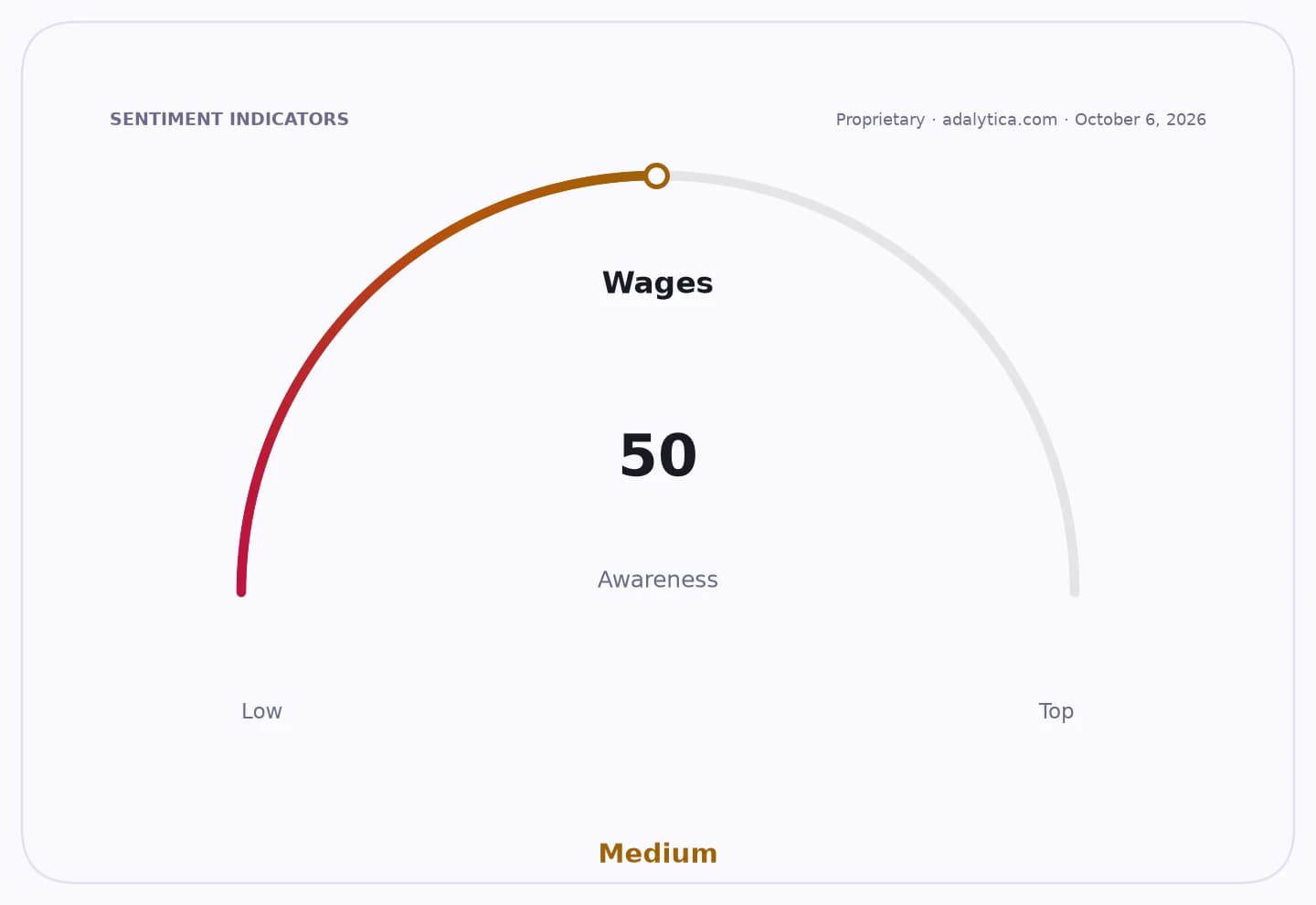
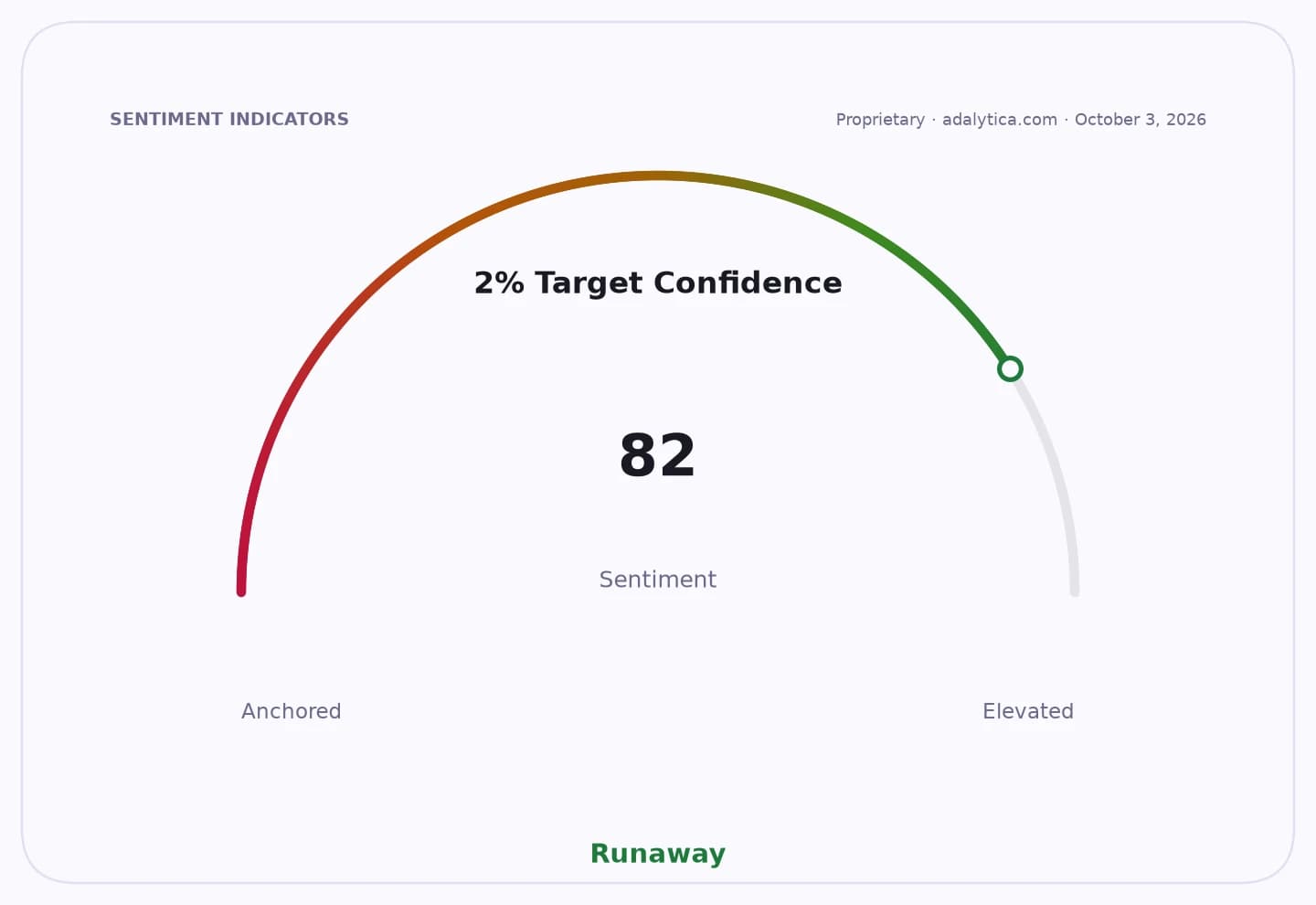
Sentiment IndicatorsⓘProprietary · adalytica.com · October 7, 2026
This is a snapshot — live sentiment, awareness and momentum for 130+ markets update continuously in the dashboard.Open AlphaPulse
That is why the wage round matters so much. A larger-than-expected increase can support consumer spending among lower-income households, which tends to flow quickly into supermarkets, retailers, banks and utilities. But it can also pressure employers already dealing with weak productivity and thin margins, especially in labor-intensive sectors such as commerce, agriculture and services. If companies absorb the cost, profitability falls. If they pass it on, prices can rise. Either way, investors have to watch the second-order effects.
The political backdrop only raises the stakes. Colombia’s minimum wage negotiations have long been one of the most sensitive economic policy debates in the country, and the government will again need to balance workers’ demands for real income gains against employers’ warnings about informality and job creation. Labor unions are already pushing for double-digit increases, while business groups favor a move closer to the legal formula of inflation plus productivity.
Davivienda’s forecast is slightly above the 6% to 8% range many early estimates have pointed to, but below the 9% to 10% figures circulating in other scenarios. That middle ground suggests the eventual settlement could be aggressive enough to please workers, but not so large that it would trigger a much harsher response from companies or the central bank.
For long-term investors, the key question is not whether the wage floor rises — it almost certainly will — but how the final number compares with inflation and productivity. A wage increase above those drivers can strengthen domestic demand in the short run, yet erode competitiveness if it becomes a recurring pattern. A more disciplined adjustment would be easier for businesses to absorb, though it may leave low-income households under pressure.
Either way, the 2027 minimum wage decision is worth watching closely. It will offer a clean read on Colombia’s inflation outlook, labor-market health and political priorities — and for investors, those are the ingredients that shape both earnings and valuations over time.
| Entity | Gains | Losses |
|---|---|---|
| Workers | ▲Higher pay floor | ▼If inflation erodes gains |
| Employers | ▲Predictability if talks stay moderate | ▼Higher labor costs |
| Consumers | ▲More spending power | ▼Higher prices if costs pass through |
| Investors in retailers and banks | ▲Stronger household demand | ▼Margin pressure and slower hiring |