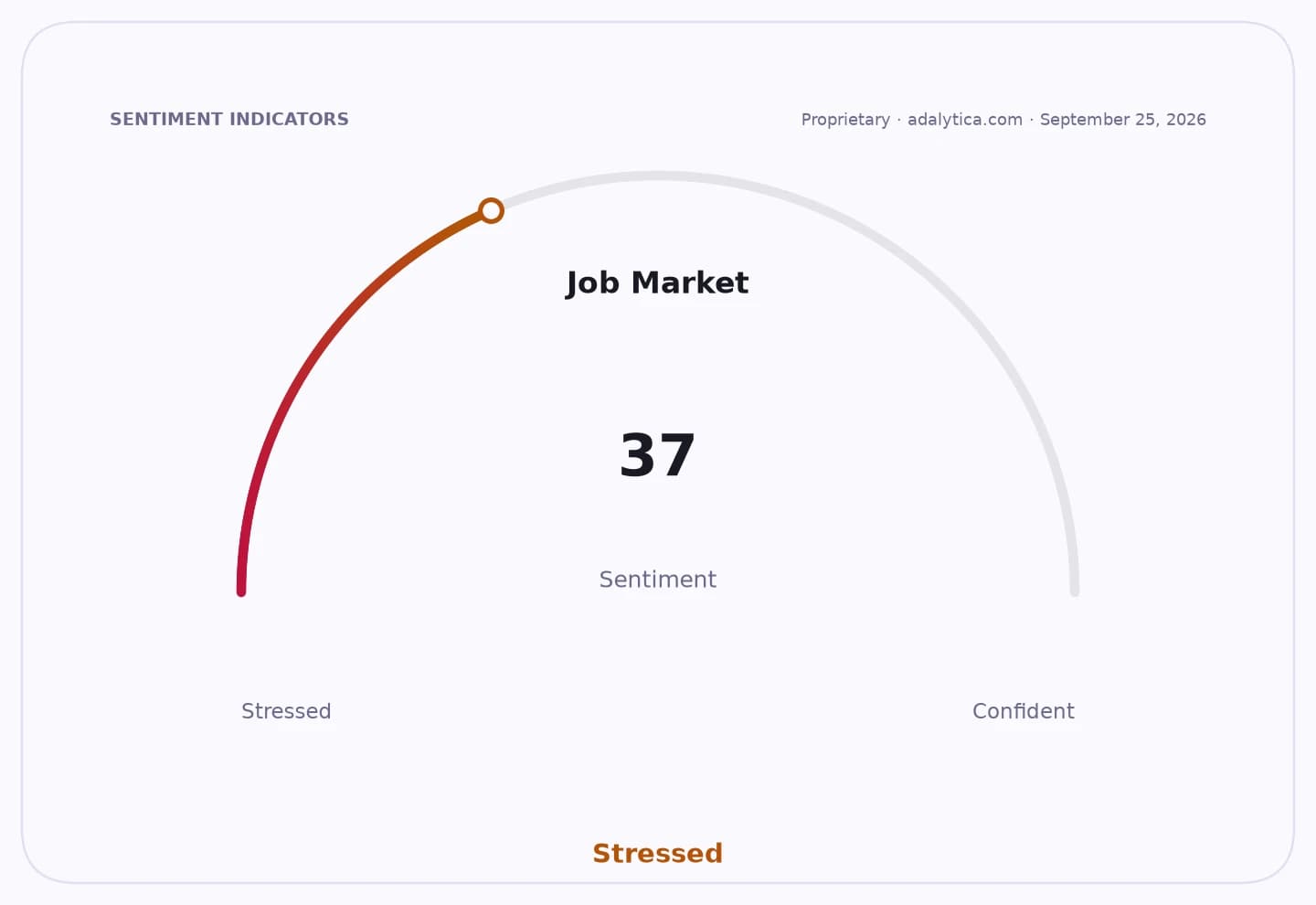
U.S. consumer sentiment remains trapped in recession-like territory, and the latest data suggest there is little near-term relief for retailers, discretionary spenders and the broader growth outlook. The University of Michigan index fell to 44.8 in May and is forecast to slip further to 43.18 in June, leaving households more pessimistic than at almost any point in the past two years.
Weak Consumer Sentiment Pressures Discretionary Stocks
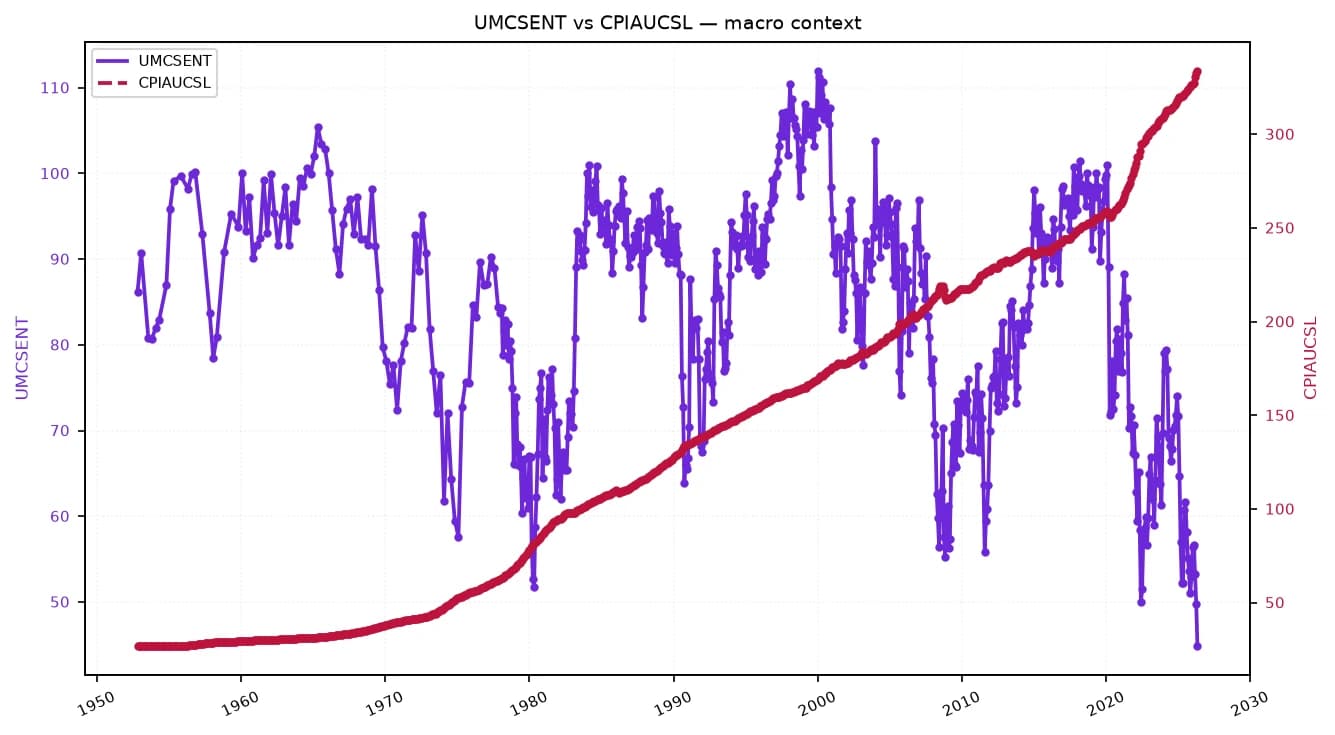
That matters because consumer spending drives the bulk of U.S. economic activity. With sentiment already down sharply from 53.3 in March and 49.8 in April, the slide points to more caution around big-ticket purchases, dining out and other nonessential spending just as prices remain elevated and the labor market shows signs of cooling at the margin.
Sentiment IndicatorsⓘProprietary · adalytica.com · July 22, 2026
This is a snapshot — live sentiment, awareness and momentum for 130+ markets update continuously in the dashboard.Open AlphaPulse
The inflation backdrop is still doing the damage. The Consumer Price Index eased only slightly to 332.568 in June from 333.979 in May, and the July forecast calls for a rebound to 335.512. That leaves consumers facing stubborn price levels even after the shock of rapid inflation has passed, while unemployment remains relatively contained at 4.2% and is projected to edge to 4.18% in July.
Investors are already pricing in the strain. The SPDR S&P 500 ETF Trust, or SPY, has recovered to $748.28 and sits above its 200-day moving average, but the consumer-discretionary ETF XLY is still lagging at $114.87, with its price below both the 50-day and 200-day moving averages. Consumer staples ETF XLP is firmer at $84.06, underscoring a defensive tilt as traders favor steadier spending categories over cyclical names.
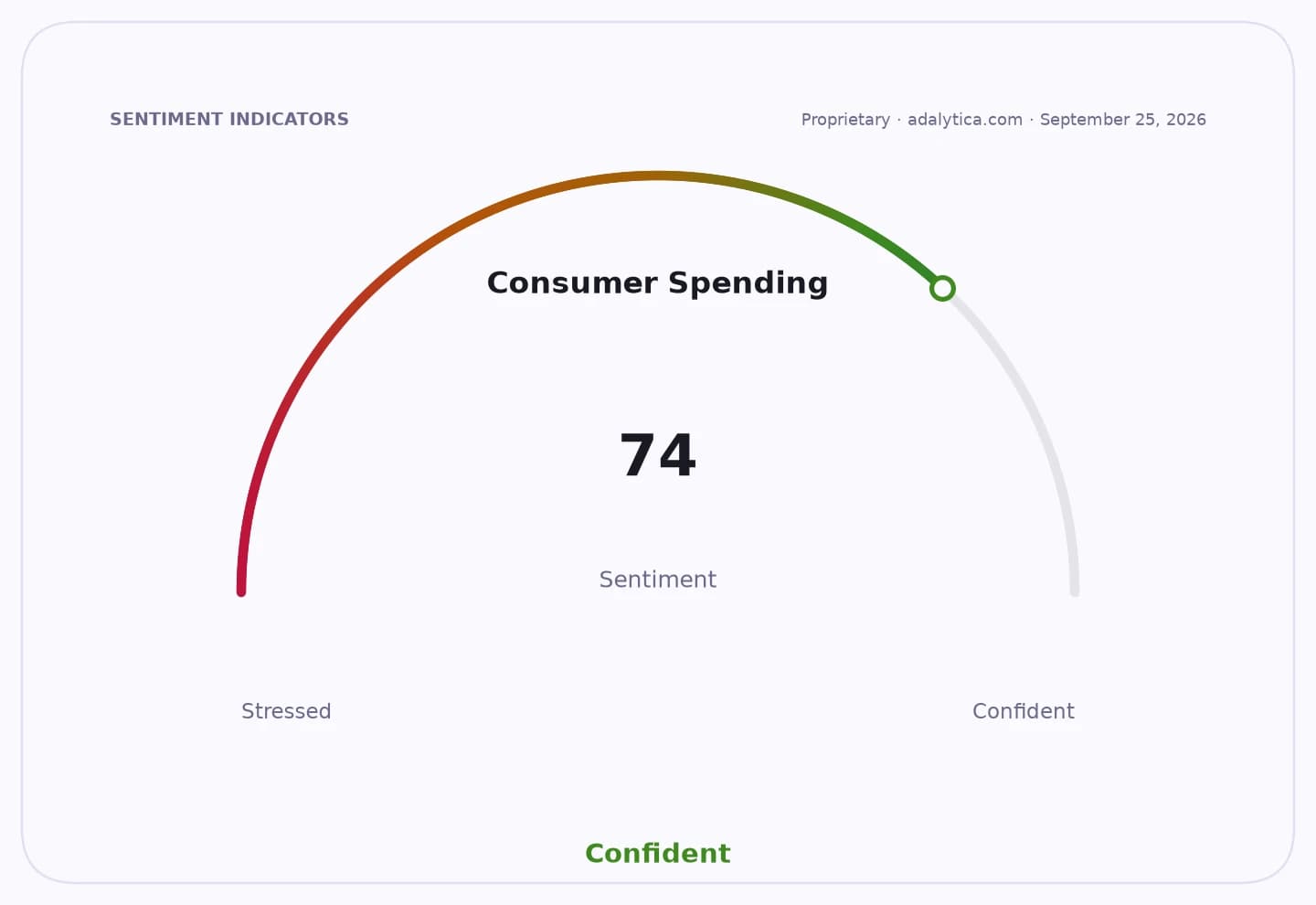
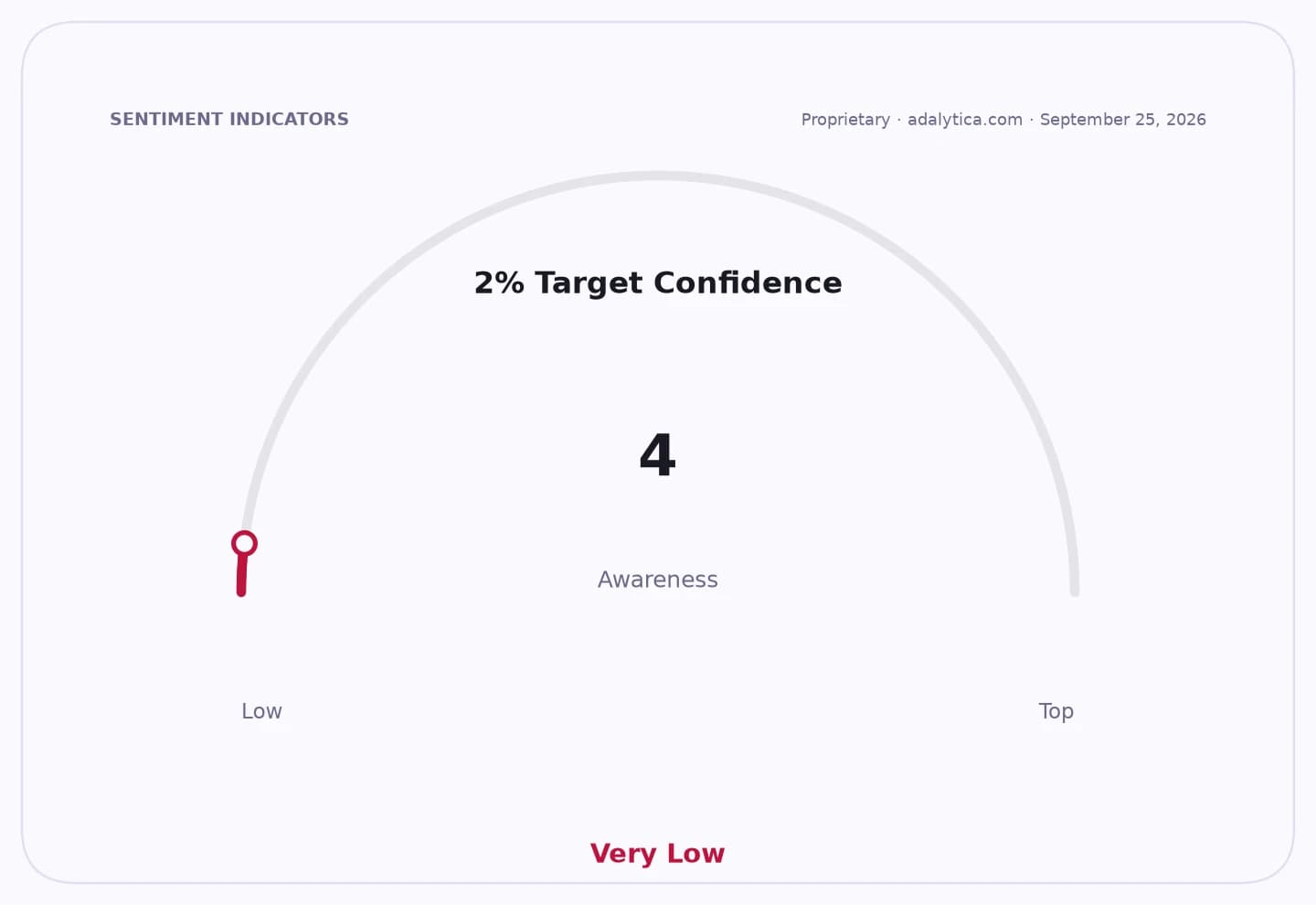
Adalytica’s Consumer Spending Sentiment gauge shows the same split. The snapshot reads 86.0, labeled “Extreme Greed,” but awareness is only 29.0, or “Fear,” with sentiment down 11 points over seven days and 14 points over 30 days. That combination suggests investors are still watching for an eventual improvement, but confidence in a quick rebound is thin.
The market implications are straightforward: weak sentiment favors staples, discount retailers and value-oriented chains, while it pressures premium discretionary names, travel and home-related spending. It also keeps pressure on policymakers, who need softer inflation without a sharper rise in unemployment to restore confidence.
For now, the story is not that consumers are breaking, but that they are staying cautious despite a still-solid job market. The next read on inflation and July sentiment will determine whether this is a temporary stumble or the start of a more durable slowdown in household demand.
| Entity | Gains | Losses |
|---|---|---|
| XLP / staples | ▲Defensive flows | ▼Less upside in risk-on rallies |
| XLY / discretionary | ▲Steadier shoppers if sentiment recovers | ▼Weak traffic and margin pressure |
| SPY / broad market | ▲Jobs resilience supports earnings | ▼Consumer-led slowdown risk |
| Fed / policymakers | ▲Cooler demand may help inflation | ▼Worse growth if consumers retrench |