Wall Street’s latest move higher is being powered by a familiar force: Big Tech. Encouraging June inflation data gave investors a reason to believe the Federal Reserve may have more room to keep policy from tightening further, and that’s helping high-quality growth stocks extend a rebound that had been fragile just days ago.
Cool Inflation Lifts Big Tech Leadership

That matters because inflation is still the gatekeeper for the entire market. A cooler read eases pressure on Treasury yields, supports valuations for long-duration assets like megacap technology, and reduces the odds that the Fed needs to stay aggressively restrictive. For investors, that combination is especially powerful for companies whose profits are expected to compound over many years, not just quarters.
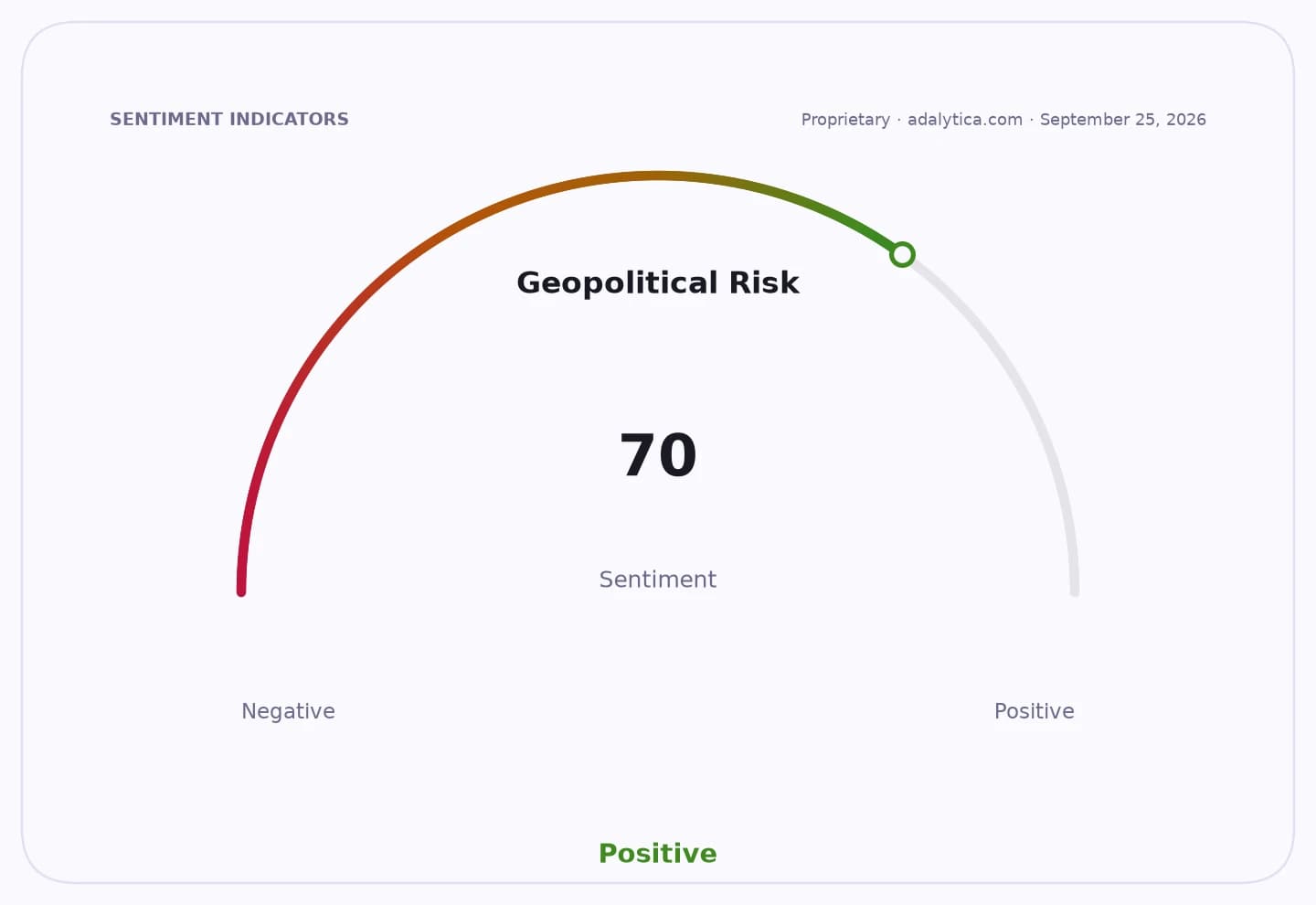
Sentiment IndicatorsⓘProprietary · adalytica.com · July 16, 2026
This is a snapshot — live sentiment, awareness and momentum for 130+ markets update continuously in the dashboard.Open AlphaPulse

Nvidia, Microsoft and Apple all rose in the latest trading, underscoring how quickly sentiment can reset when inflation data cooperates. Nvidia climbed to $212.50, just above its 50-day moving average of $209.50, while its 200-day average sat near $191.95, a sign the stock has recovered from earlier volatility and remains in a strong longer-term uptrend. Apple finished at $327.50, also above its 50-day and 200-day moving averages, reflecting renewed confidence in one of the market’s most resilient franchises. Microsoft, meanwhile, recovered to $395.63 after a steep pullback earlier in the summer, though it still trades well below its 200-day average, showing that not every megacap has fully healed.
The broader market backdrop also improved. Adalytica’s S&P 500 Trade Signals showed sentiment jumping to 66, even as awareness remained in “Extreme Fear,” a combination that often marks a market still healing rather than one that has become complacent. In plain English, investors are willing to buy again, but they are not yet fully convinced the inflation fight is over. That keeps the rally alive, but it also suggests there is still room for upside if the data keeps cooperating.
Lower inflation is especially important for Big Tech because these companies are the market’s premium compounders. When rates stabilize or drift lower, investors are more willing to pay for future earnings from AI infrastructure, cloud computing, digital advertising and consumer ecosystems. That is why the market tends to reward Nvidia for data-center demand, Microsoft for cloud and AI spending, and Apple for its sticky hardware-and-services base when macro fears ease.
The dollar’s weakness reinforces the same message. Adalytica’s U.S. dollar trade signals pointed to fear, with sentiment sliding sharply over the past month, suggesting investors have been leaning away from the greenback as inflation expectations cool and risk appetite improves. A softer dollar can also be a tailwind for multinationals with global revenue, including the large-cap tech names doing much of the lifting for indexes.
None of this means investors should chase every bounce. Microsoft’s chart still shows damage from the spring selloff, and the market can easily reverse if the next inflation print comes in hot or if the Fed signals that rate cuts remain far off. But for long-term investors, the message is clear: inflation relief is the kind of macro development that can restore leadership to the highest-quality companies in the market.
If you own a diversified portfolio of great businesses, this is the sort of environment where patience pays. Big Tech remains tied to some of the strongest secular trends in the economy, and a friendlier inflation backdrop makes it easier for those trends to show up in stock prices. For investors with a multiyear horizon, the current move looks more like a strengthening of the bull case than a short-term trade. Worth watching, and worth holding.
| Entity | Gains | Losses |
|---|---|---|
| Big Tech | ▲Higher valuations | ▼Less fear discount |
| Fed | ▲More room to pause | ▼Less urgency to tighten |
| Growth investors | ▲Rebound in megacaps | ▼Fewer bargain prices |
| Bond bears | ▲Easing yield pressure | ▼Lower rate-panic trade |