A sustained easing in U.S. inflation is improving the backdrop for retailers heading into the holiday period, with lower price pressure helping preserve purchasing power even as wage expectations remain elevated.
Cooling Inflation Backs Discount Retailers
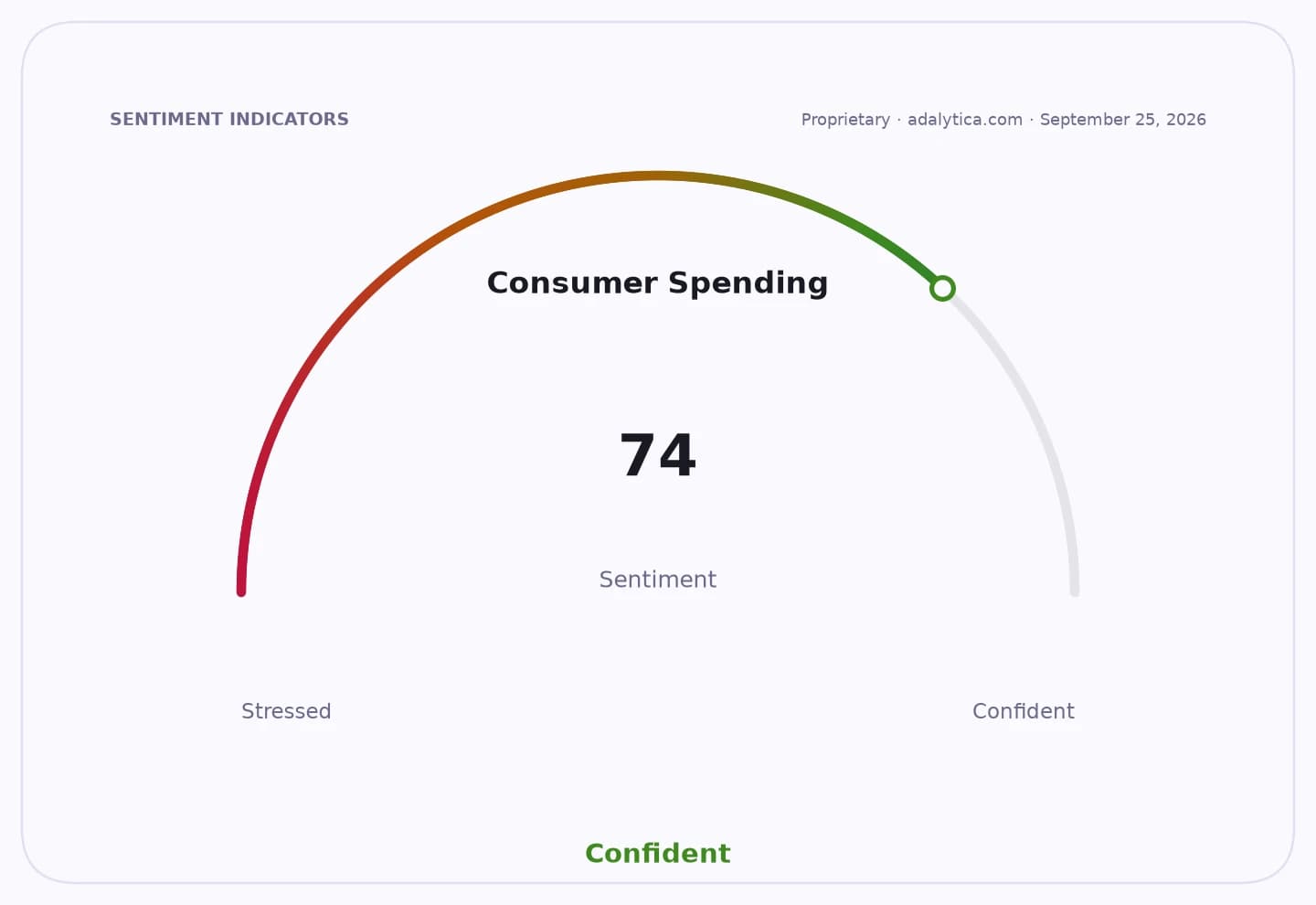
That matters because inflation has been the single biggest variable shaping consumer behavior, margins and valuation across the retail sector. The latest Consumer Price Index reading slipped in June and is projected to rise just 0.89% in July, while producer prices fell 1.26% in June before a forecast rebound. The message for shoppers is that grocery and discretionary budgets are no longer being squeezed at the pace seen in prior inflation waves, and that should support foot traffic and basket sizes at mass merchants and warehouse clubs.
Sentiment IndicatorsⓘProprietary · adalytica.com · July 20, 2026
This is a snapshot — live sentiment, awareness and momentum for 130+ markets update continuously in the dashboard.Open AlphaPulse
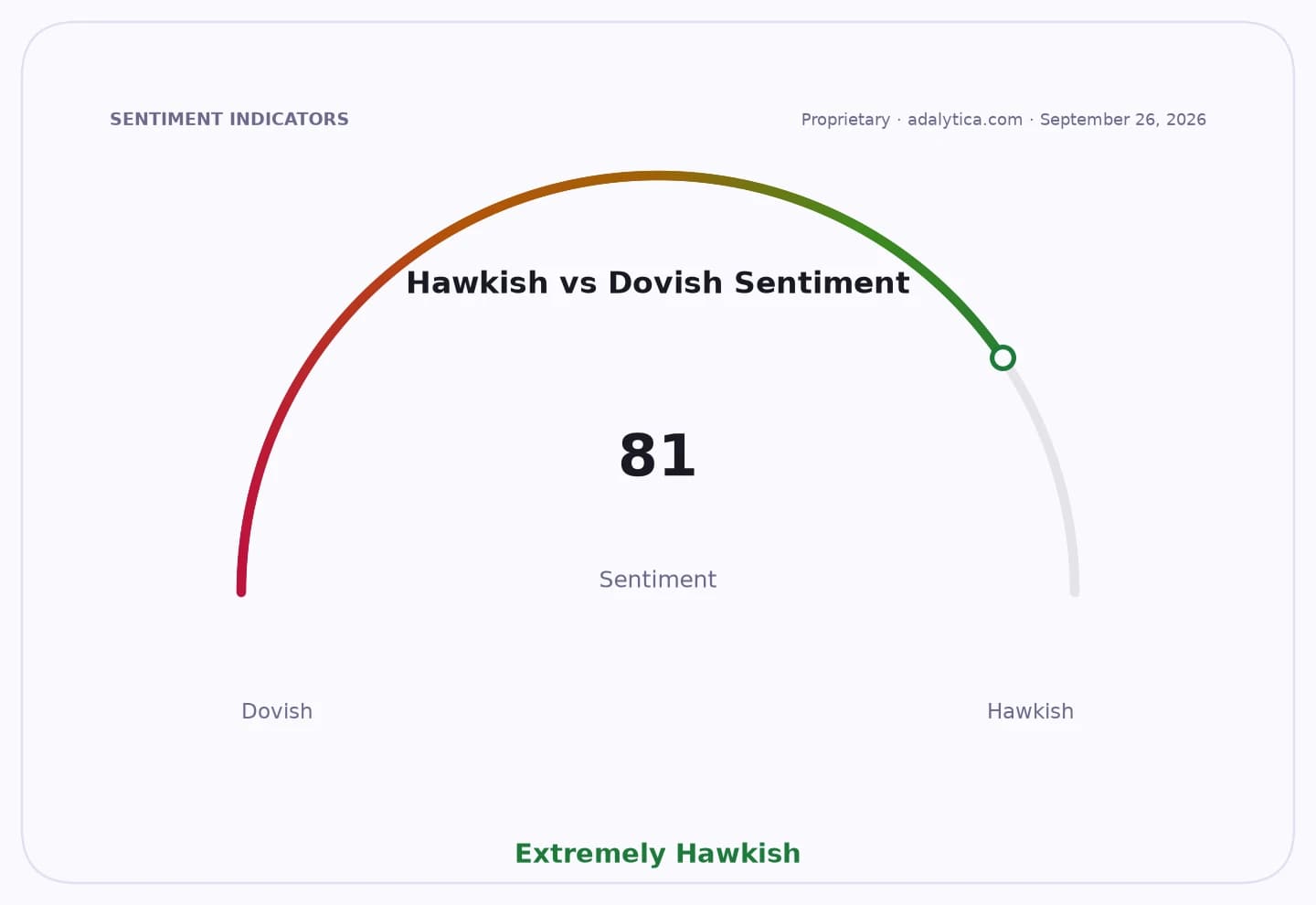
For investors, the more important point is that falling inflation reduces the risk of a sudden demand shock while keeping the Federal Reserve on a path toward easier policy if disinflation persists. Adalytica’s confidence gauge for the Fed’s 2% target remains in fear territory at 29, but it rebounded sharply over the past day, while wage inflation sentiment has surged to 93, underscoring the tension between cooling goods prices and stubborn labor costs. That mix is constructive for retailers that can pass through less price pressure without losing volume, but it also warns that margin relief may be uneven if wages stay hot.
Target is the clearest read-through. Its stock has rebounded sharply and now trades well above its 200-day moving average, with recent technical momentum supported by a stronger share price than earlier in the year. But the company remains sensitive to consumer caution, and its recovery depends on whether easing inflation translates into better discretionary spending rather than simply lower ticket growth. Walmart is better positioned if households keep trading down, while Costco benefits from resilient membership demand and a pricing model built to keep goods cheap even when inflation cools.
The broader narrative is that inflation management is no longer just a macro talking point; it is now a direct driver of who wins share in retail. If price stability holds into the holiday season, discount chains and warehouse clubs should keep attracting budget-conscious shoppers, while premium-facing or promotion-dependent retailers may need deeper markdowns to defend traffic. The key risk is that wage pressure and any rebound in producer prices could limit margin gains, leaving investors to choose between volume growth and profitability rather than getting both.
| Entity | Gains | Losses |
|---|---|---|
| Walmart | ▲traffic from value-seeking shoppers | ▼pricing power if inflation re-accelerates |
| Costco | ▲membership loyalty and steady volume | ▼margin upside from lower inflation |
| Target | ▲better holiday sales runway | ▼weak discretionary demand if wages lag prices |
| Consumers | ▲more stable household budgets | ▼less relief if wage inflation keeps running hot |