Córdoba’s metallurgical industry is shedding more than 110 jobs a month, a sign that Argentina’s manufacturing slowdown is now moving from weak output into a more damaging labor squeeze.
Córdoba metallurgy sheds 110 jobs a month
That pace matters because metallurgy sits at the heart of the province’s industrial chain, feeding auto parts, construction materials and machinery. When firms start cutting payrolls at that rate, it usually means demand has weakened enough that producers can no longer absorb slack through shorter hours or lower margins. The result is a slower feedback loop into wages, consumption and local tax revenues, deepening the downturn for a sector that is already highly cyclical and sensitive to domestic investment.
Sentiment IndicatorsⓘProprietary · adalytica.com · July 31, 2026
This is a snapshot — live sentiment, awareness and momentum for 130+ markets update continuously in the dashboard.Open AlphaPulse
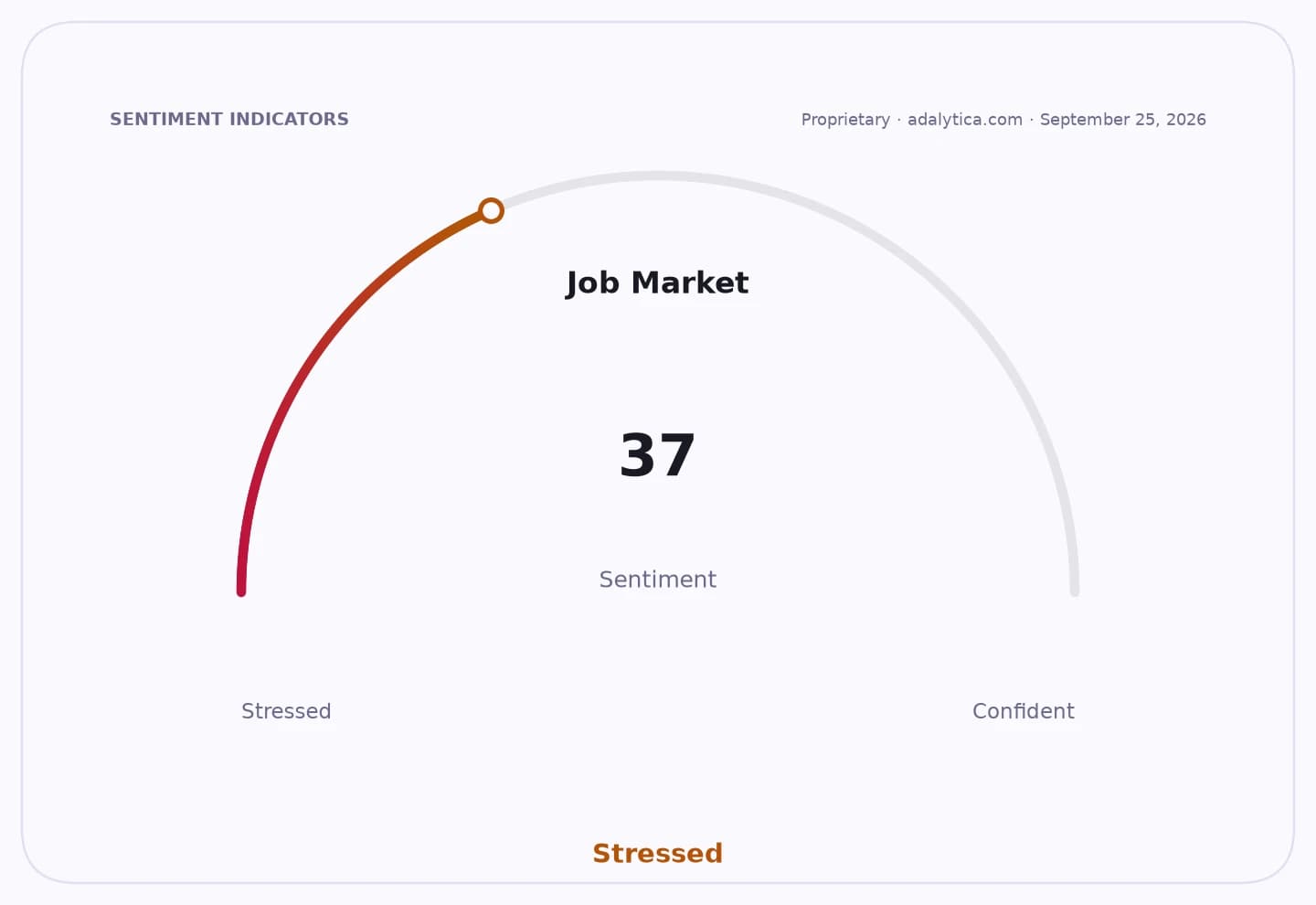
The provincial slump is unfolding against a broader industrial picture that remains fragile even as headline activity stabilizes. Argentina’s industrial production index has recovered only gradually from the 2020 shock and was still around 102.6 in June, barely above the 100 mark that roughly tracks its pre-pandemic base. Forecasts point to a modest rise to 102.9 in July, suggesting activity is improving only marginally. Meanwhile, the labor market has not provided enough cushion to offset the drag from weak factory demand, with unemployment near 4.2% nationally — low by regional standards, but not enough to prevent sector-specific layoffs in manufacturing hubs.
For investors, the job losses are a read-through on the health of domestic industrial demand and the earnings outlook for companies tied to steel, fabricated metals and construction inputs. Producers with exposure to the local market face pressure from softer volumes and underutilized capacity, while exporters may be relatively better insulated if they can tap external demand or benefit from peso weakness. That contrast is visible in U.S.-listed steel names such as Nucor and Commercial Metals, where recent trading has been driven by expectations around pricing, scrap costs and construction activity rather than by any single market, but the Argentine data underscores how quickly cyclical industrial names can be hit when demand rolls over.
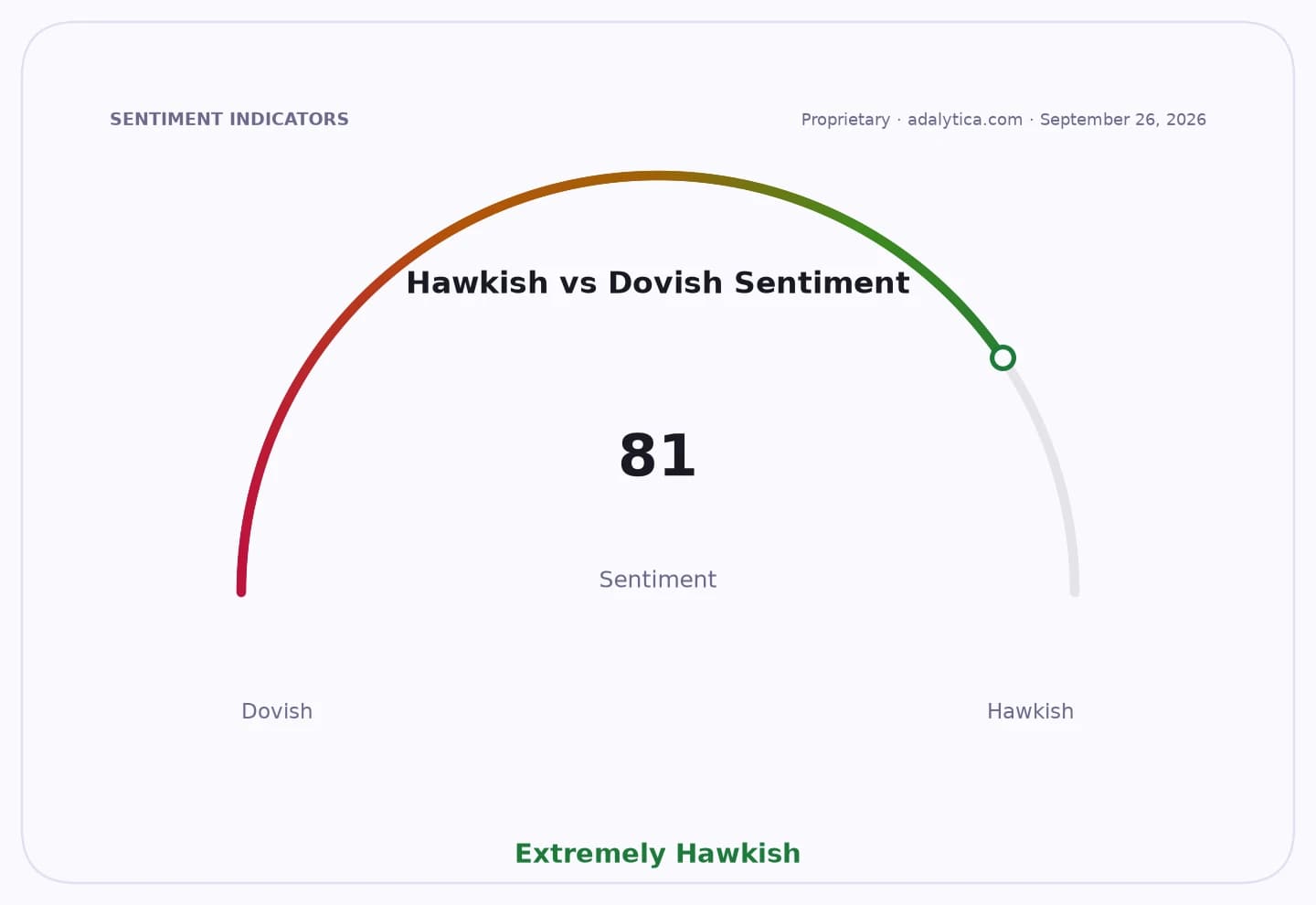
The bigger narrative is that Córdoba’s metallurgical base is being squeezed by a familiar combination of weak internal consumption, delayed investment and a cautious industrial cycle. Adalytica’s PMI recession-trend gauge for the wider environment has moved sharply in recent sessions, reflecting heightened concern even as the latest snapshot has shifted back to neutral. That kind of volatility typically appears when businesses are unsure whether a slowdown is a temporary pause or the start of a more persistent contraction.
Unless industrial demand and credit conditions improve, the pace of layoffs is likely to stay elevated, keeping pressure on suppliers, service firms and household spending in one of Argentina’s key manufacturing regions. For markets, the immediate risk is not just lost jobs, but a longer period of margin compression and weaker capital spending across the industrial value chain.
| Entity | Gains | Losses |
|---|---|---|
| Industrial employers | ▲Lower labor costs | ▼Weak capacity utilization |
| Workers in Córdoba metallurgy | ▲— | ▼Jobs and income |
| Suppliers and contractors | ▲— | ▼Orders and volume |
| Domestic industrial investors | ▲Better entry points if policy improves | ▼Near-term earnings pressure |