Yellow corn futures are pushing toward 20 a bushel as drought-hit crops in Europe and firmer U.S. export demand tighten an already fragile global balance sheet, raising the risk of higher feed and food costs just as grain merchants and processors position for more volatile pricing.
Corn prices rise on Europe drought and U.S. demand
The front-month Teucrium Corn Fund, a proxy for U.S. corn prices, closed at 19.78 on Sept. 9 after touching 20.07 on Sept. 4, up from 16.47 in late June and near the top end of its Bollinger Band range. The move leaves the fund well above its 50-day and 200-day moving averages, while the RSI remains elevated at 70.5, a conventional technical reading that suggests the market is stretched even after the latest pullback.
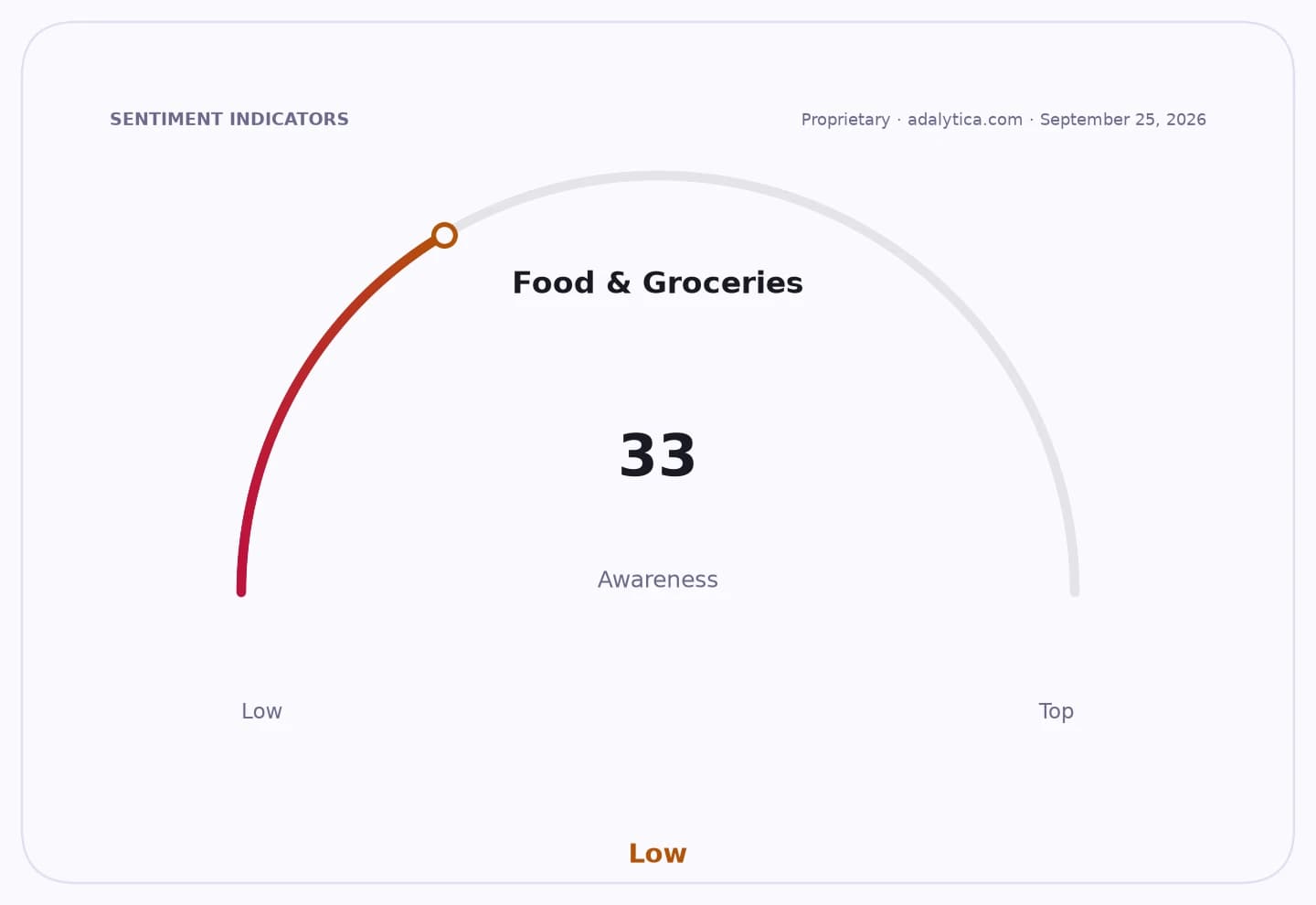
Sentiment IndicatorsⓘProprietary · adalytica.com · September 9, 2026
This is a snapshot — live sentiment, awareness and momentum for 130+ markets update continuously in the dashboard.Open AlphaPulse
The catalyst is supply, not just speculation. Europe’s drought has damaged corn yields in Romania and Hungary, forcing buyers to lean more on Ukrainian cargoes and, increasingly, on U.S. supply. At the same time, U.S. export inspections for corn and soybeans are rising, reinforcing the view that importers are scrambling for available tonnes.
That matters because corn is the backbone of animal feed and a key input for starch, ethanol and a wide range of packaged foods. When yellow corn prices climb, the cost pressure does not stay in the grain pit; it works its way into meat, dairy and household grocery bills, while also squeezing margins for livestock producers and food manufacturers.
The rally is also rippling through agribusiness shares. Archer-Daniels-Midland and Bunge have both gained alongside the grain move, with ADM at $85.50 and Bunge at $122.53 on Sept. 9, reflecting expectations that stronger merchandising and trading opportunities can offset some of the input cost pressure. For investors, that mix can support near-term earnings for merchandisers even as it raises the risk of demand destruction if prices stay high for too long.
Adalytica’s Corn Fear & Greed Index sits at 11, or “Extreme Fear,” showing how quickly sentiment can swing in a market where weather, logistics and policy can change the pricing picture in days. At the same time, Adalytica’s U.S. dollar trade signals show the dollar in a greed reading of 76, which can add another layer of volatility for export competitiveness and for buyers paying in other currencies.
The immediate question is whether the crop squeeze broadens or fades. Traders will be watching the next U.S. supply updates, further export-inspection data and any shift in European weather, because if the drought damage persists and global buyers keep chasing U.S. corn, the promise of tighter markets may finally move from paper into cash prices.
| Entity | Gains | Losses |
|---|---|---|
| U.S. corn farmers | ▲Higher cash prices | ▼If rallies curb demand |
| ADM, Bunge | ▲Better merchandising margins | ▼Higher input and hedging volatility |
| Livestock producers | ▲None | ▼Higher feed costs |
| Food consumers/importers | ▲Some supply diversification | ▼Higher meat and grocery prices |