Costco’s beloved Kirkland Signature peppermint bark is back on shelves earlier than usual, and the price drop from last year’s sticker shock is a reminder that even in a stubbornly expensive grocery aisle, value still drives holiday demand.
Costco Kirkland Peppermint Bark Returns at Lower Price

That matters because seasonal products are not just cute social-media finds for Costco; they are small but powerful proof points for the warehouse club model. When shoppers see a favorite treat return at $12.99 for 21 ounces after last year’s reported $16.99, it reinforces the chain’s core promise: members pay for access to deals that feel meaningfully better than what they would get elsewhere. Williams-Sonoma’s version, at roughly $35, only sharpens that comparison.
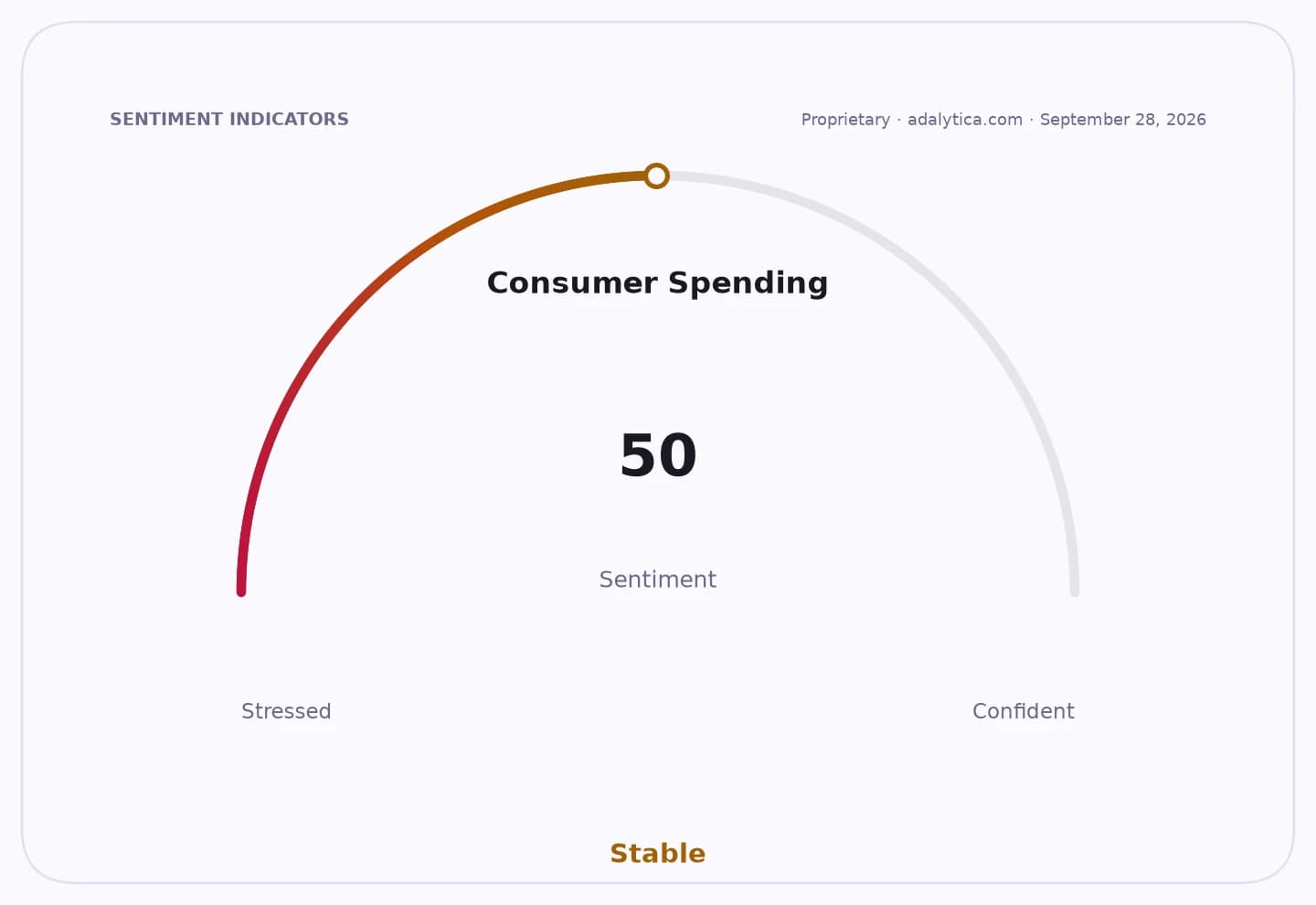
Sentiment IndicatorsⓘProprietary · adalytica.com · October 12, 2026
This is a snapshot — live sentiment, awareness and momentum for 130+ markets update continuously in the dashboard.Open AlphaPulse

The pricing reset also matters in a consumer environment where households are still highly sensitive to food inflation and discretionary spending. A holiday dessert may seem trivial, but it sits right at the intersection of grocery budgets, gift buying and impulse purchases — the exact areas where retailers can either win loyalty or lose it. Costco appears to be testing how much premium it can charge for a cult favorite before fans walk away, and the early reaction suggests the company has landed closer to the sweet spot this year.
For investors, that is the real story. Costco does not need every item on its shelves to be a hero product, but it does need enough of them to keep members believing the annual fee is worth paying. Seasonal hits like peppermint bark help drive trips, basket size and perception of value, all of which support long-term retention and spending. The stock has already been trading well above its 50-day and 200-day moving averages, a sign investors continue to reward that membership-first model even after a strong run.
The timing is also instructive. Costco is already rolling out other holiday treats and baking ingredients, from advent calendars to Madagascar vanilla beans, which suggests it is leaning into a season when shoppers are more willing to splurge on small luxuries if they feel they are getting a deal. That is classic Costco: turn modest margin items into traffic drivers, then let the rest of the warehouse do the work.
There are risks, of course. If shoppers decide the bark is still too expensive, Costco can lose some of the goodwill that makes its private-label brand so powerful. But the broader takeaway is encouraging for long-term investors: in a divided consumer market, the companies that can offer trusted value with a little bit of delight are the ones most likely to keep compounding.
For patient investors, this is another reason Costco remains a stock worth watching. The peppermint bark may be seasonal, but the business logic behind it is durable.
| Entity | Gains | Losses |
|---|---|---|
| Costco | ▲Member loyalty | ▼None if price stays fair |
| Holiday shoppers | ▲Lower price vs last year | ▼Still above 2023 price |
| Premium rivals like Williams-Sonoma | ▲Niche pricing power | ▼Value-conscious buyers |
| Costco investors | ▲Traffic and retention support | ▼Margin pressure if pricing is too aggressive |