Costco is leaning into premium wine at warehouse prices, using Napa Valley bottles as a traffic driver at a time when investors are increasingly focused on whether the retailer can protect margins while keeping its value proposition intact.
Costco Wine Discounts Attract Traffic as Shares Close at $951.89
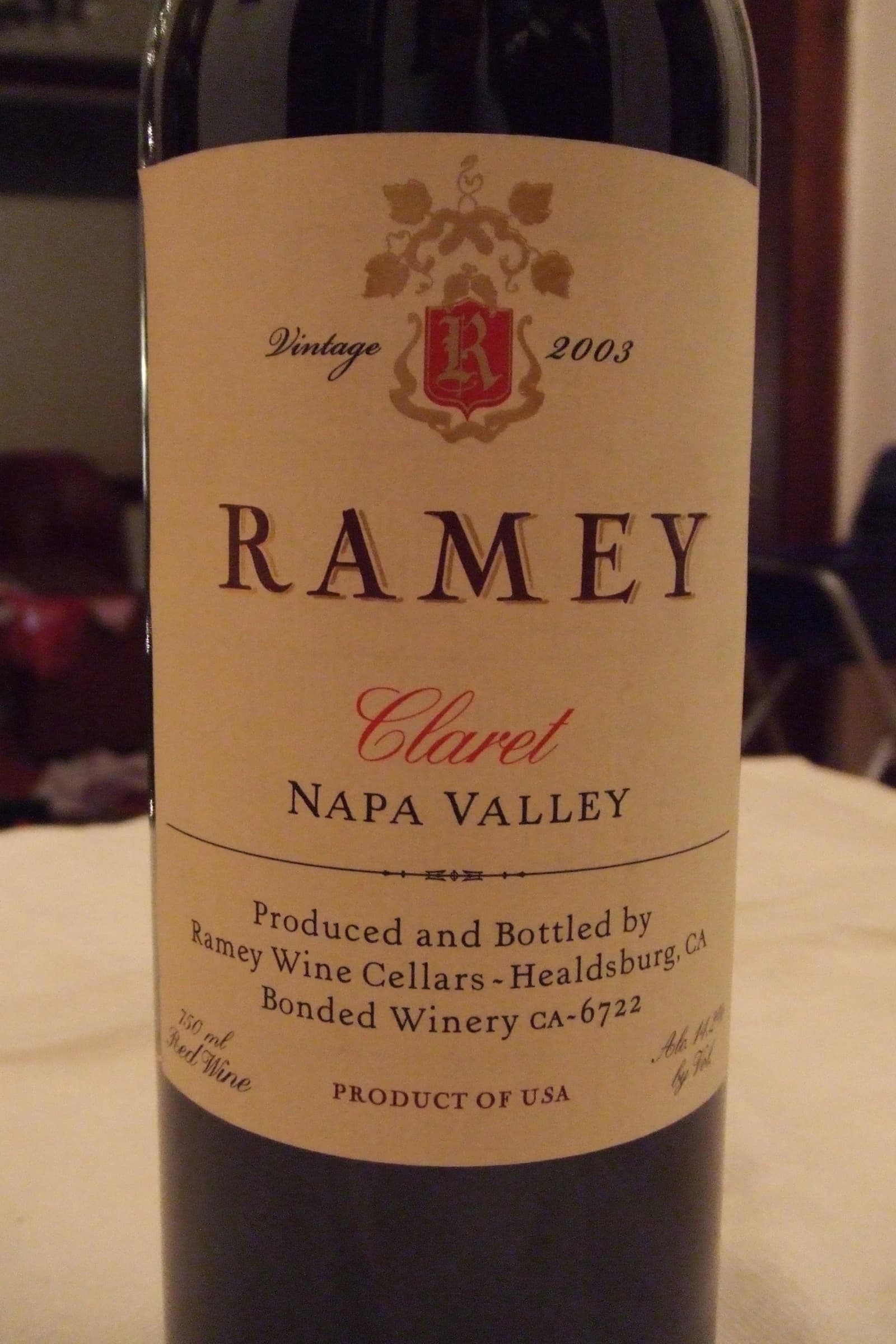
The appeal is straightforward: Costco’s model depends on convincing members that it can deliver recognizable quality below traditional retail prices, and Napa wine is one of the clearest examples of that promise. For shoppers, “bargains” on well-known wine labels reinforce the perception of pricing authority that supports renewal rates and basket size. For the company, the category can also lift average ticket and generate incremental traffic without relying on heavy promotion.
That matters because Costco’s investment case has long rested on volume and membership economics rather than gross margin expansion. The company has said in recent filings that it prioritizes maintaining price competitiveness over maximizing near-term pricing, even as core merchandise margins have come under pressure from credit card rewards, foods and sundries and other mix effects. Selling premium wine at sharp discounts fits that strategy: it may compress per-unit margins in the category, but it strengthens the larger flywheel of member loyalty and high-frequency shopping.
The stock’s recent technical profile shows the market is still treating Costco as a momentum name with some caution. Shares closed at $951.89 on July 31, slightly below the 50-day moving average of $958.49 and just above the 200-day average of $954.92, after swinging from a 52-week-style surge to a sharp retracement earlier in the period. RSI readings around 60 suggest the stock is not overbought, while the MACD has turned back toward neutral. In other words, investors are still willing to pay for Costco’s execution, but they are not ignoring the risk that growth and margin trends can diverge.
For wine sellers, Costco remains one of the most important outlets in the U.S. because it can move large volumes quickly and put pressure on competing retailers, including specialty chains and regional wine merchants. That is especially relevant in a category like Napa wine, where scarcity, brand cachet and price perception matter. A Costco shelf tag can reset expectations across the market, forcing competitors either to absorb lower margins or concede volume.
The broader narrative is less about wine itself than about Costco’s ability to keep winning on value in a more selective consumer environment. If shoppers continue to trade up to premium items when the price is right, Costco’s model is intact. If the company has to lean harder on discounts to maintain that behavior, the question becomes whether traffic gains can keep offsetting the margin drag. Investors will be watching the next earnings update for evidence that premium-category demand is supporting member engagement without undermining the retailer’s operating leverage.
| Entity | Gains | Losses |
|---|---|---|
| Costco | ▲Higher traffic, stronger value image | ▼Category margin pressure |
| Members/shoppers | ▲Lower prices on premium wine | ▼Limited selection elsewhere |
| Napa wine sellers | ▲Faster volume through a large channel | ▼Pricing power at specialty retailers |
| Competitor wine retailers | ▲— | ▼Price competition, margin compression |