Cotton farmers have been urged to insure their crops by July 31, as authorities warn that El Niño and other adverse weather patterns could hurt yields and income in the coming season.
El Niño Warning Raises Cotton Insurance Urgency
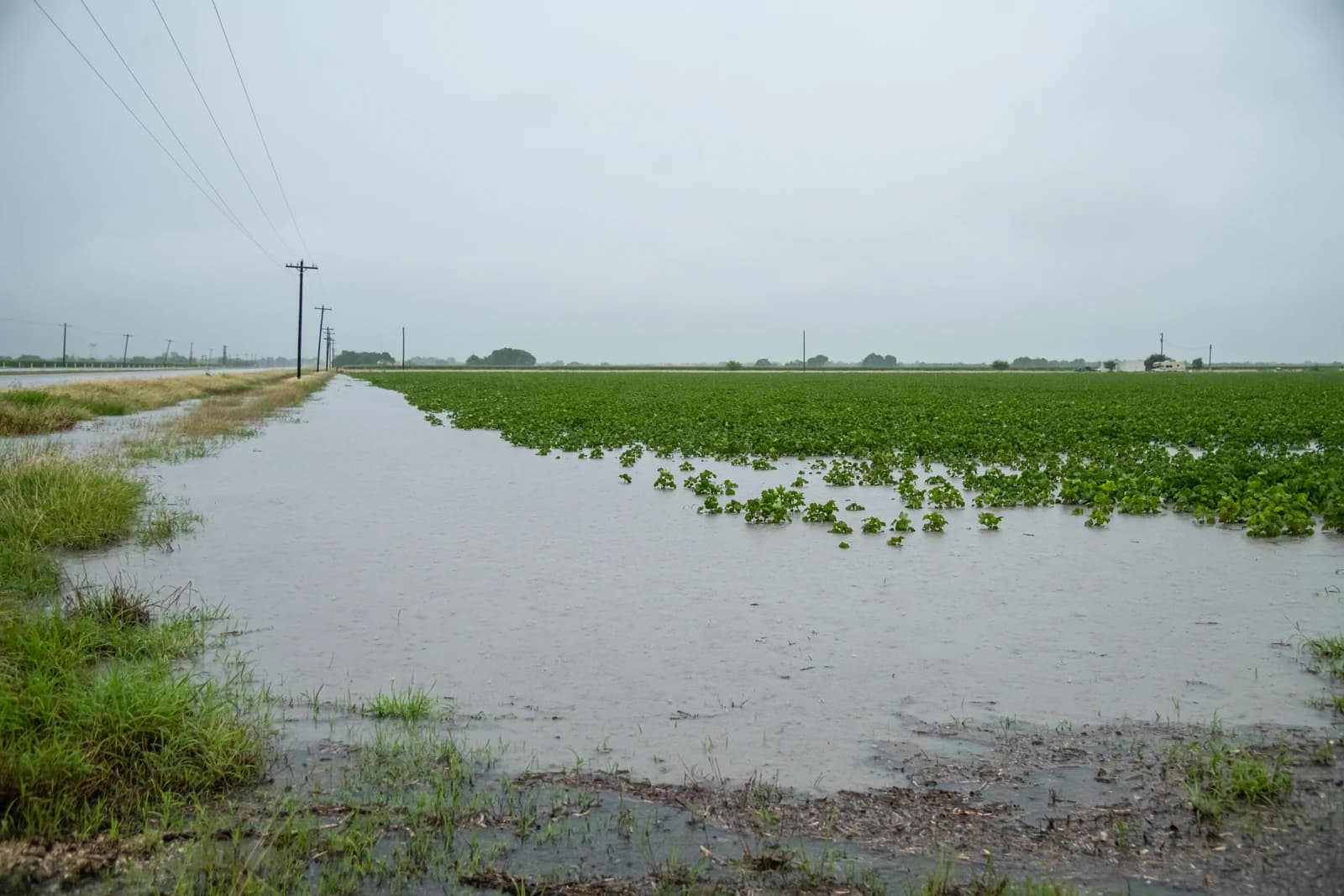
The deadline matters because crop insurance is one of the few tools available to cushion farm households against a weather shock that can quickly turn a season of planting costs into a cash-flow crisis. For cotton growers, whose returns are highly sensitive to rainfall timing and heat stress, the warning signals that policymakers see elevated downside risk rather than a routine seasonal reminder.
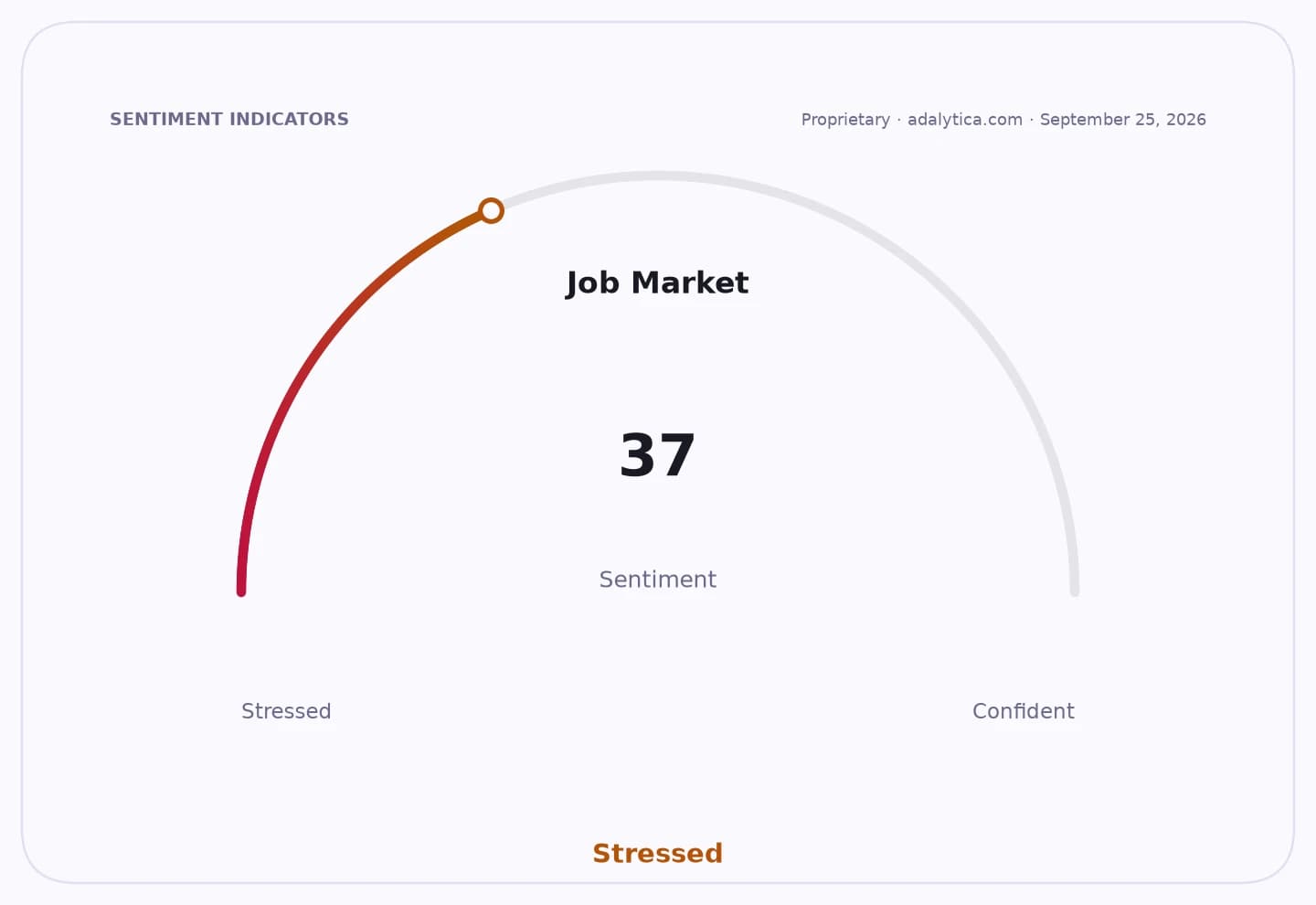
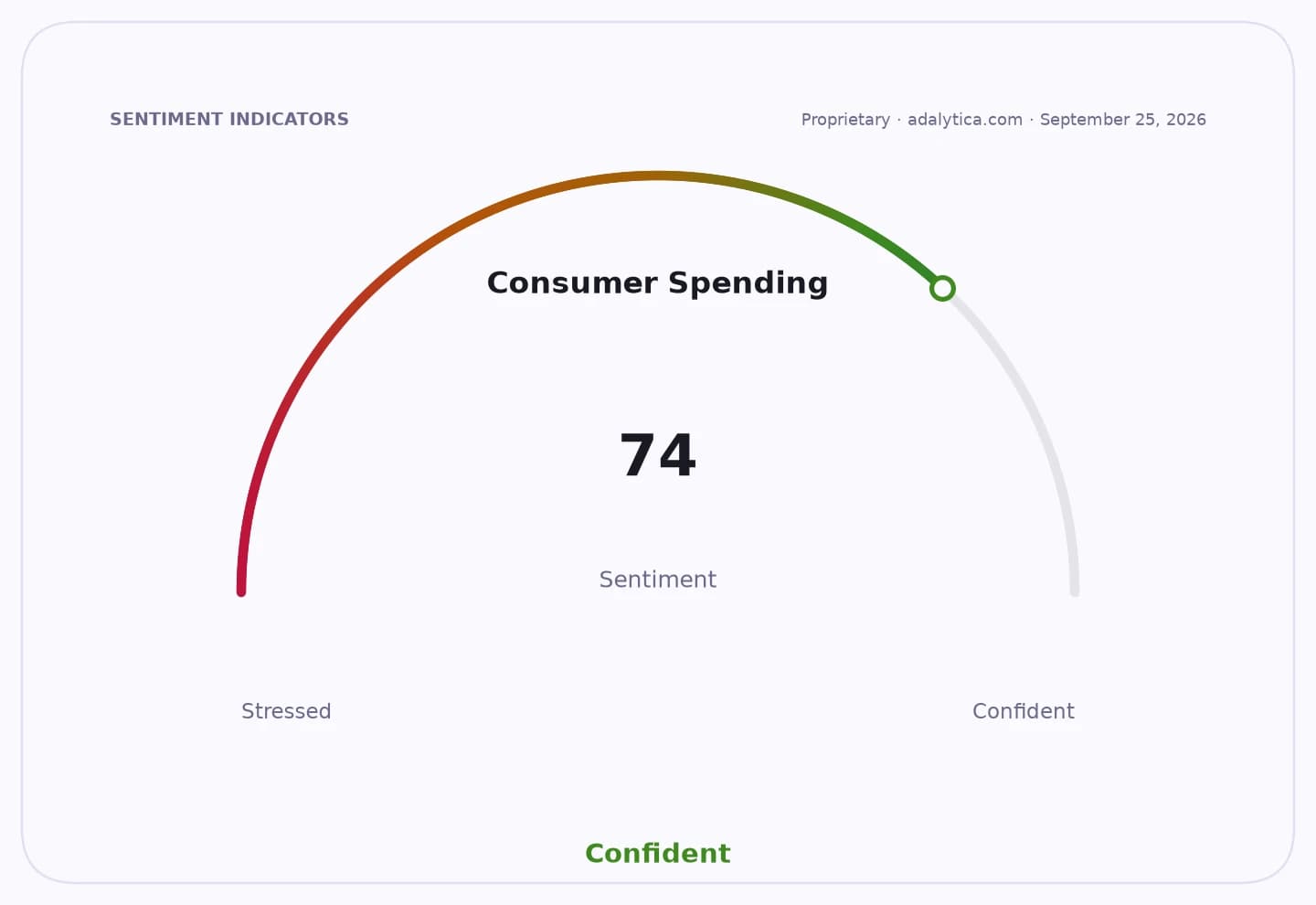
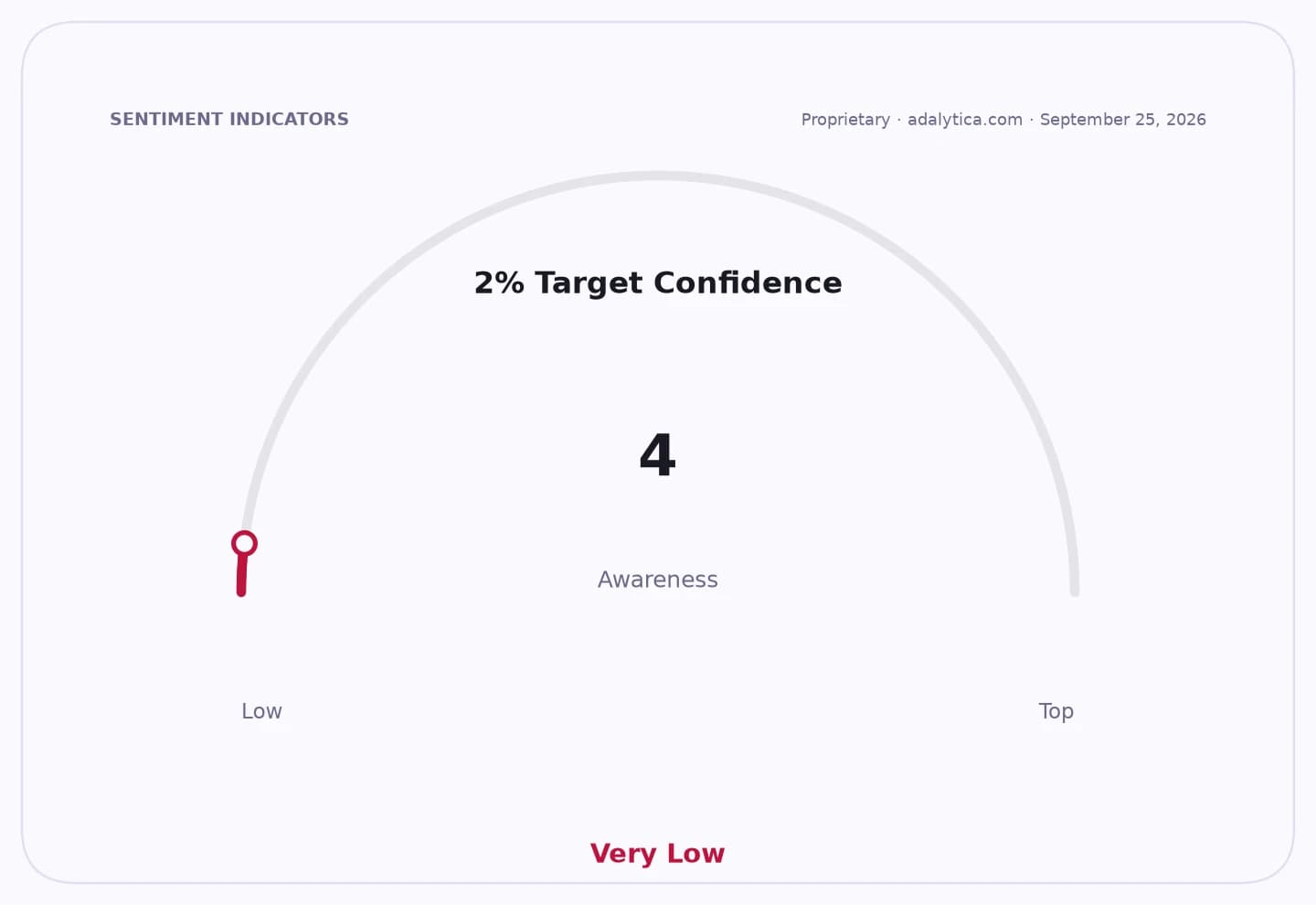
Sentiment IndicatorsⓘProprietary · adalytica.com · July 26, 2026
This is a snapshot — live sentiment, awareness and momentum for 130+ markets update continuously in the dashboard.Open AlphaPulse
The economic logic is straightforward. When weather volatility rises, the expected value of insurance increases, especially in cash crops where a single poor monsoon or dry spell can damage output and disrupt local lending. That makes insurance not just a risk-management product but a stabilizer for rural credit, input purchases and downstream textile supply chains. It also reduces the chance that a broad crop failure feeds through to local inflation and farmer distress.
The urgency is reinforced by market conditions in agricultural commodities. Cotton-related exchange-traded exposure has been firm, while broader grain benchmarks have also rebounded, reflecting how weather expectations can quickly change pricing across farm markets. The Invesco DB Agriculture Fund, which tracks a basket of farm commodities, recently traded above its 200-day moving average and remained technically firm even after a pullback, underscoring persistent investor attention on weather-sensitive crops. Wheat and corn prices have also been volatile this year, a reminder that weather and policy shocks remain central to the agriculture trade.
More broadly, the appeal for farmers to insure before the deadline highlights the state’s role as backstop in a sector that remains exposed to climate risk and uneven adoption of safety nets. Recent efforts to clear crop-insurance dues in parts of India show how important timely claims and premium support are to keeping the system credible. If coverage uptake improves, lenders and insurers may gain confidence to extend more farm credit. If it does not, a bad weather year could again leave growers reliant on ad hoc relief.
For investors, the message is that weather risk is not abstract. It can ripple through farm input demand, crop insurance providers, commodity prices and textile margins. The next catalyst will be the extent to which farmers act before July 31 and whether the season delivers the kind of rainfall pattern that makes insurance look prudent rather than optional.
| Entity | Gains | Losses |
|---|---|---|
| Farmers who insure | ▲Weather protection | ▼Premium cost |
| Uninsured cotton growers | ▲No upfront premium | ▼Bigger loss risk |
| Insurers / crop cover providers | ▲Higher uptake | ▼Potential claims risk |
| Textile and ag lenders | ▲More stable supply chain | ▼Higher exposure if crops fail |