Cottonseed is emerging as a potentially lower-cost source of oil and protein, but its path into food products is being tested by a wider food-safety clampdown in India that is forcing restaurants and suppliers to prove their ingredients are safe.
Cottonseed Food Use Faces India Safety Crackdown
The appeal is straightforward: cottonseed sits between two major nutrition markets — edible oil and protein-rich feed — and could become a cheap, scalable input for packaged foods if regulators and consumers accept it. That makes it relevant not just for food makers, but also for processors, ingredient suppliers and restaurant chains trying to protect margins as food costs stay elevated.
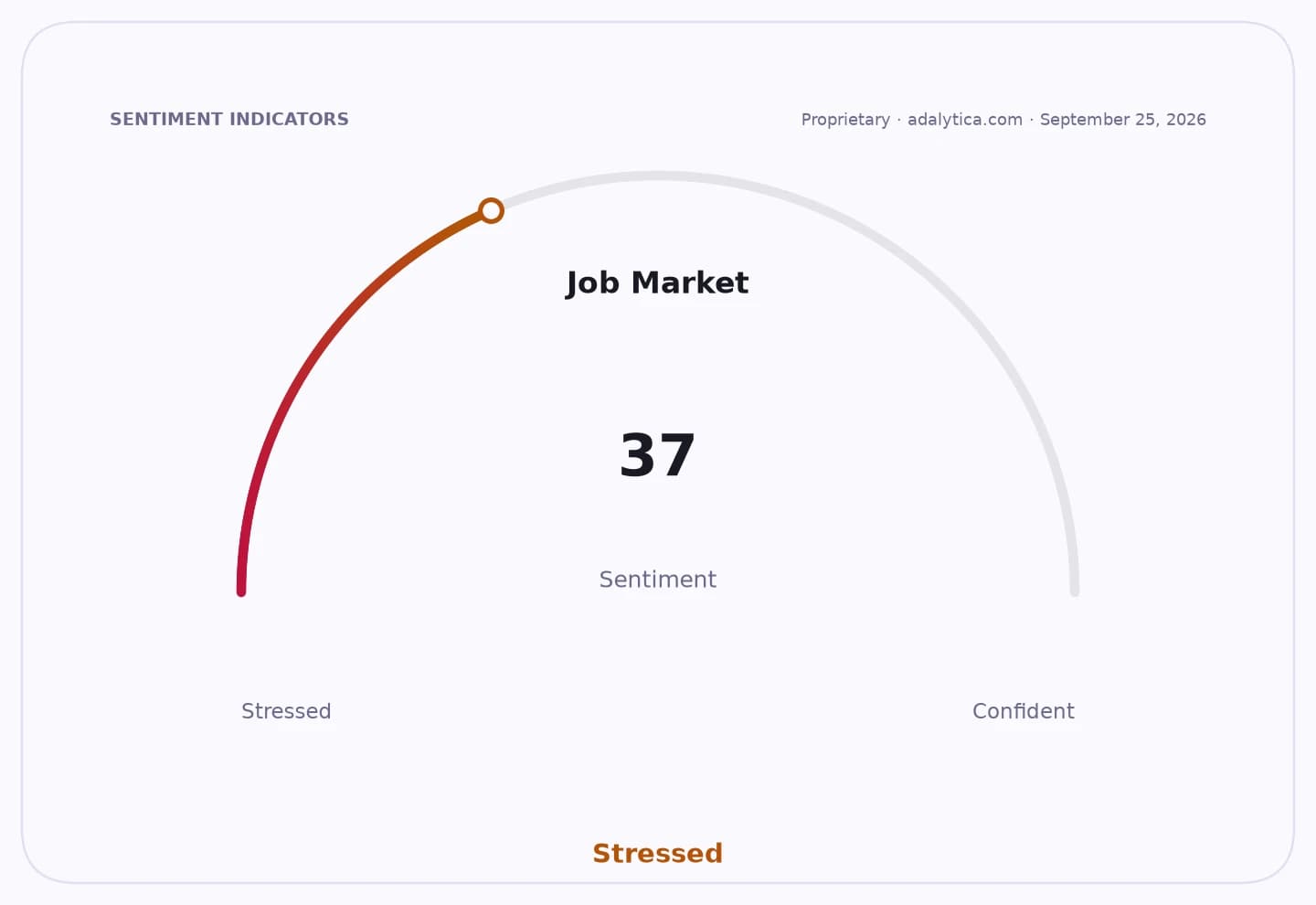
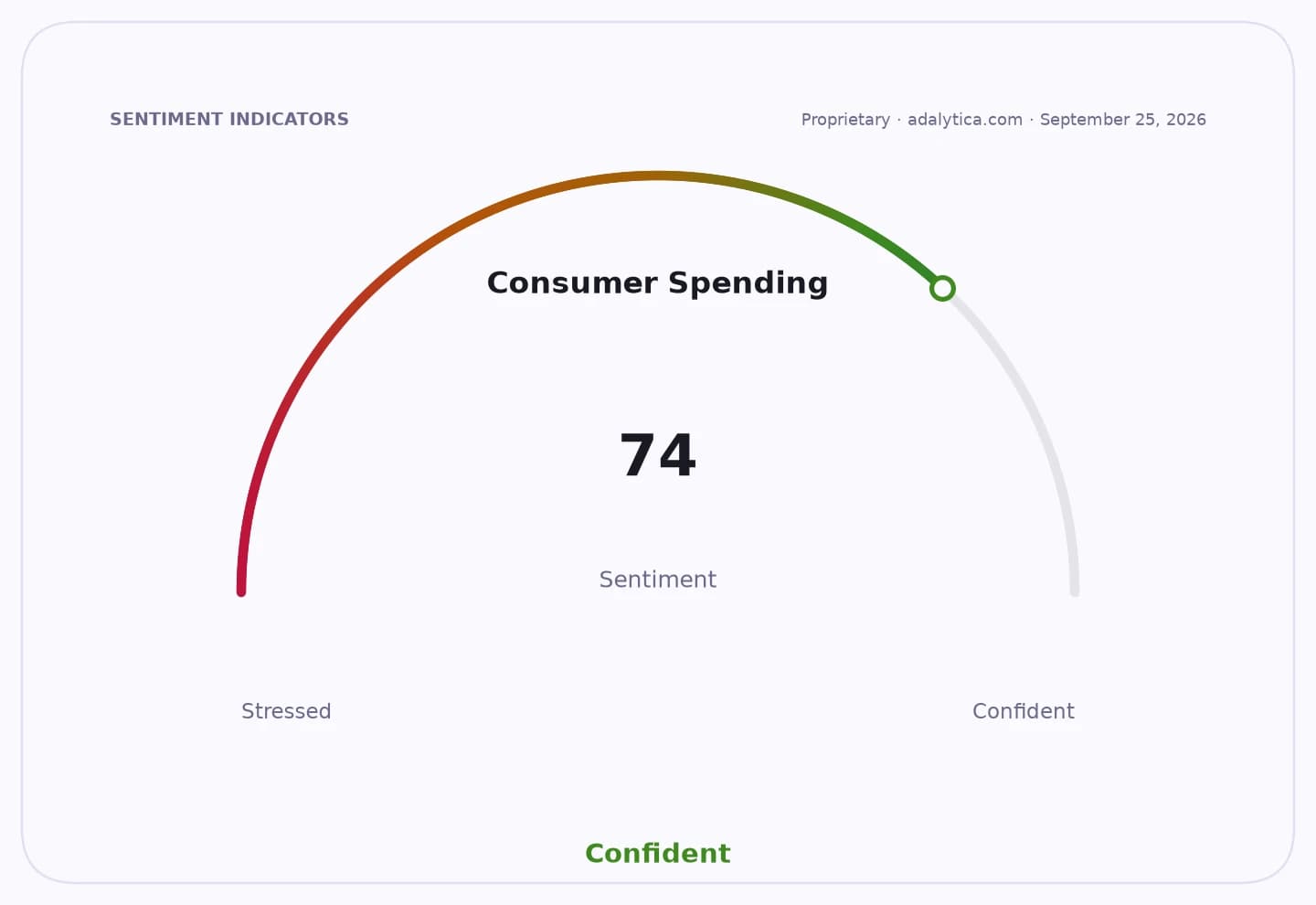
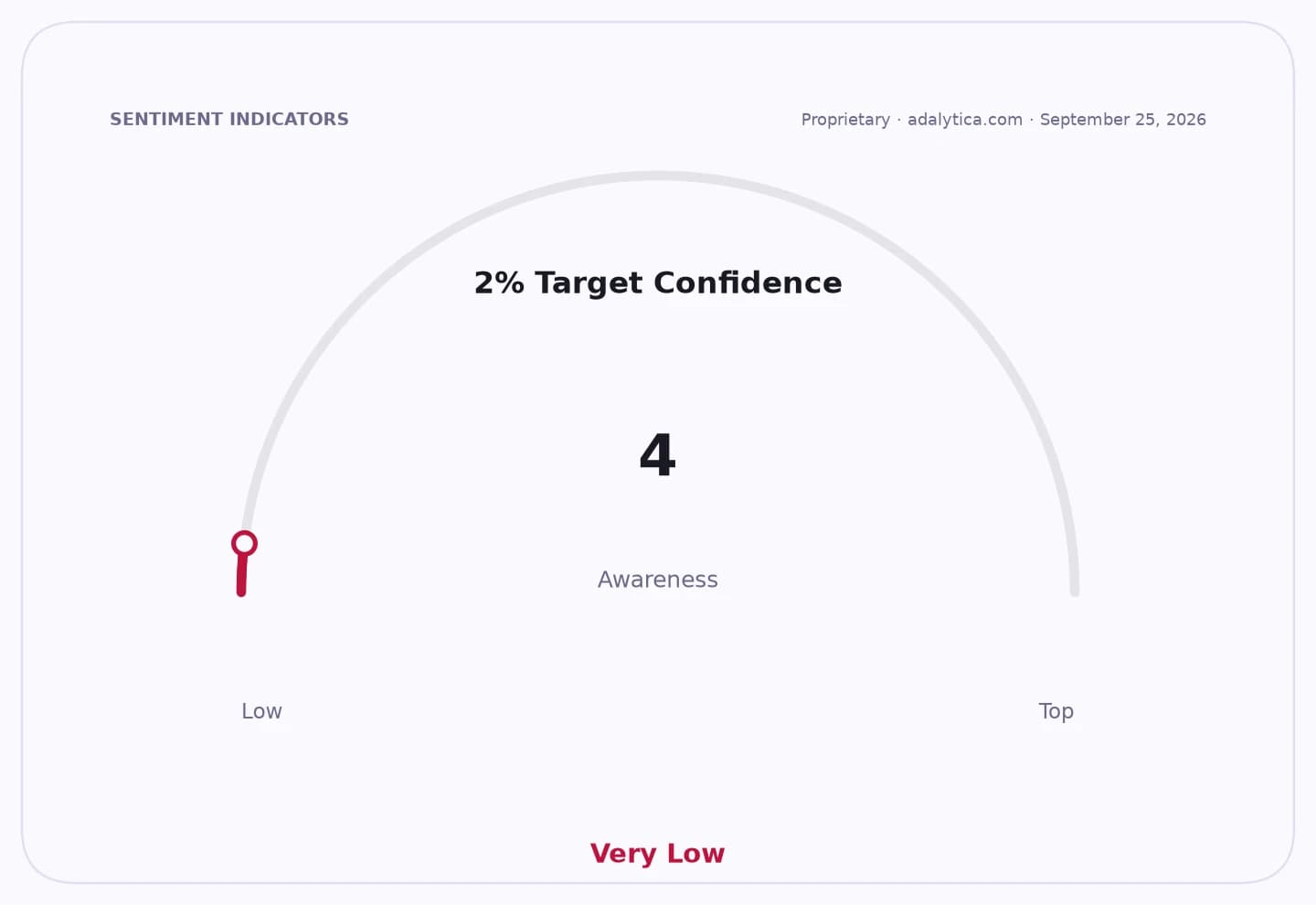
Sentiment IndicatorsⓘProprietary · adalytica.com · August 18, 2026
This is a snapshot — live sentiment, awareness and momentum for 130+ markets update continuously in the dashboard.Open AlphaPulse
The timing matters because inflation remains sticky. U.S. consumer prices were running at 332.813 in July on the CPI index, up from 333.979 in May, while the producer price index for all commodities stood at 284.057 in July after a 290.515 reading in May. Crude oil has also been volatile, with WTI swinging from 109.76 in early May to 84.77 on Aug. 11, underscoring how input costs can shift quickly for agribusiness and packaged food players.
That backdrop makes alternative ingredients like cottonseed more attractive, particularly in markets where buyers are looking for cheaper fats, oils and protein sources. But the “can they be eaten?” question is the bigger commercial issue: cottonseed products have to overcome safety perceptions, processing requirements and regulatory scrutiny before they can win shelf space or restaurant menus.
India’s food authorities have intensified inspections of well-known restaurant operators, including Domino’s, Eternal and Swiggy, after similar actions in Karnataka led to the seizure of 132 kilograms of unsafe food. The crackdown raises the bar for suppliers and food-service companies at a time when consumers are more sensitive to contamination risks and regulators are more willing to act.
Investors are likely to read that as both an opportunity and a warning. Companies with compliant processing, traceability and supply-chain controls could benefit if cottonseed-based ingredients gain traction, while restaurants and packaged-food makers relying on lower-cost inputs face higher execution risk and possible margin pressure from tougher enforcement.
Among public-market names tied to the agricultural value chain, Corteva, Archer-Daniels-Midland and Deere are part of the broader system that would help move, process and monetize oilseed crops if cottonseed demand grows. Corteva shares were last at 76.68, below its 50-day average of 81.18 and with RSI at 27.6, while ADM ended at 80.45 near its 50-day average of 80.03. Deere closed at 608.85, under its 50-day average of 600.09 after a sharp run earlier in the summer.
The next catalyst is whether regulators in India broaden inspections further and whether food makers test cottonseed more openly in oils, snacks or protein formulations. Until safety standards and consumer acceptance catch up, cottonseed’s nutritional promise will remain a market idea more than a mass-market staple.
| Entity | Gains | Losses |
|---|---|---|
| Cottonseed processors | ▲New food-use demand | ▼Safety skepticism |
| Food makers using cheaper inputs | ▲Lower raw-material costs | ▼Compliance burden |
| Indian regulators | ▲Stronger enforcement | ▼Industry pushback |
| Restaurant chains | ▲Potential cost savings | ▼Inspection risk |